




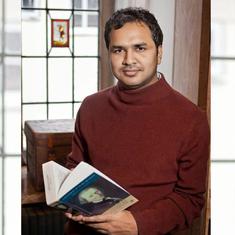

Someetharan’s film Neelira describes itself as “a work of fiction based on the memories of a war child”.
The 40-year-old Sri Lankan Tamil filmmaker’s childhood and adolescence were shaped by the decades-long civil war between the Sri Lankan government and the Liberation Tigers of Tamil Eelam separatists.
Some of Someetharan’s earliest recollections while growing up in Jaffna have to do with the arrival of the Indian Peace Keeping Force, he told Scroll.
Dispatched by the Indian government to Sri Lanka under a peace accord between the two countries in 1987, the IPKF perilously found itself in direct conflict with the Tamil Tigers. This chapter of Indian military involvement in another country’s war – which led to Prime Minister Rajiv Gandhi’s assassination by an LTTE suicide bomber in 1991 – forms the basis of Neelira (Long Night).
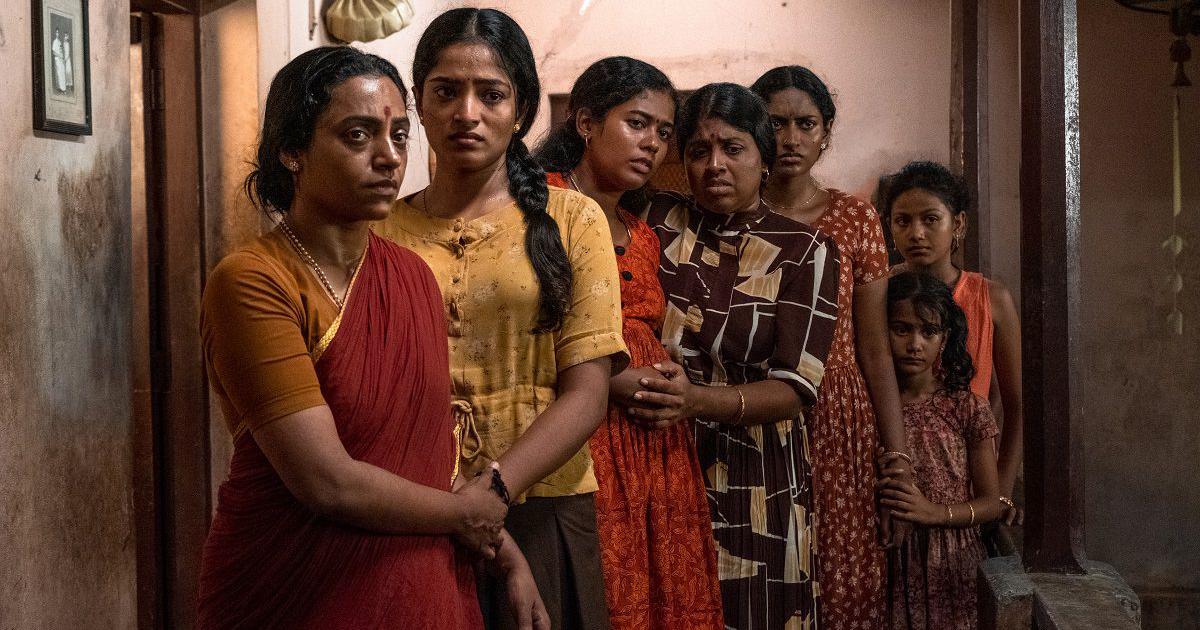
The movie is set over a single day and night in a northern Sri Lankan town in 1988. A wedding is to take place in a Sri Lankan Tamil family. However, the night before the nuptials, the family home becomes a flashpoint between an IPKF unit and the Tamil Tigers.
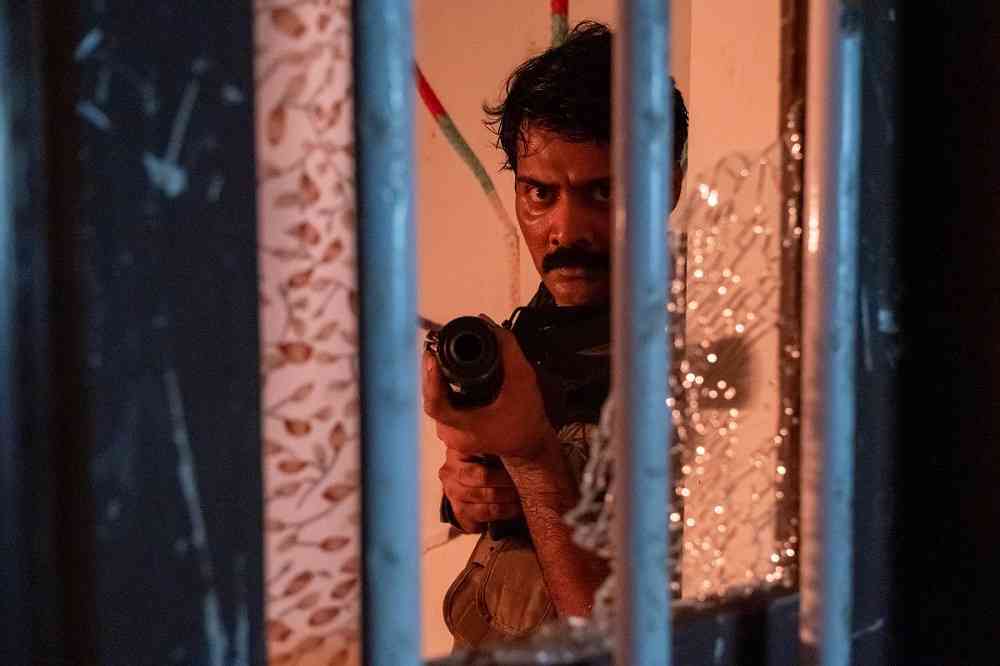
Indian soldiers take shelter in the house that then comes under attack by LTTE operatives, sending the family into agony about their safety.
“The house represents the land itself,” Someetharan told Scroll. “This isn’t just the story of one person, but a collective trauma. As a person who grew up during the war, I am against the war and death.”
Neelira was released in Tamil Nadu, Sri Lanka and around the world on April 3. Backed by filmmakers Karthik Subbaraj and Rana Daggubati, Neelira claims to be the first Indian production of a movie that looks at the conflict through a Sri Lankan Tamil lens. The film is aiming for a release beyond Tamil Nadu in the coming weeks.
The response to Neelira has been deeply satisfying for Someetharan, who has previously directed documentaries. Audiences are not just responding to the film’s taut narrative and balanced politics, he said. Through the format of a thriller, Someetharan has captured little-explored aspects of his community’s ways, rituals and behaviour during the civil war.
Someetharan was born in Jaffna and schooled in Batticaloa. He moved to Chennai as a teenager, enrolling in Loyola College. Among the filmmakers he assisted was the acclaimed director Balu Mahendra, who was born in Jaffna and raised in Batticaloa, like Someetharan.
Mahendra encouraged Someetharan to make his fiction debut with a personal story. “Balu Mahendra told me, I never made a film based on my story, but you should,” Someetharan said.
Karthik Subbaraj, whom Someetharan met later, also pushed Someetharan to revisit his past. Subbaraj has previously shown interest in the Sri Lankan Tamil question in his contribution to the anthology series Navarsa and the movie Jagame Thandiram.
“When I showed the film to [Sri Lankan filmmaker] Prasanna Vithanage, he said, this is the first time I have seen northern Tamil life,” Someetharan said. “That’s the reason I made the film – I wanted to portray how we lived, how people behaved.”
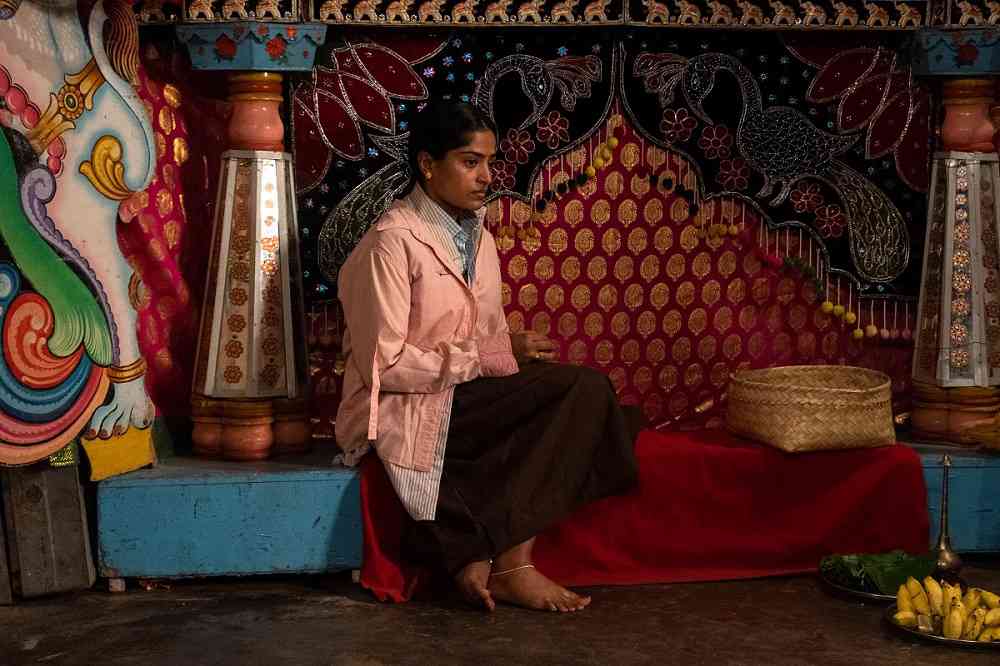
The movie vividly recreates life in Jaffna, from a shared love for Tamil cinema to the constant dangers of being in a war zone. Permissions have to be sought for normal activities. Heavy security is routine.
Someetharan remembers checkpoints every 500 metres of the 3km-long stretch to his school. “We faced many sleepless nights,” he added. “The nights were always horrible for us.”
In the movie, when the IPKF soldiers first enter the house, the women instinctively put on men’s shirts on top of their clothes to protect themselves. “This is muscle memory,” Someetharan explained. “Women are the ultimate victims in every war.”
Someetharan’s father was a government officer. The family lost two houses during the war, one of them his mother’s ancestral home. Valuable photography albums went missing, never to be found. “I don’t have any photographs of childhood or of my parents’ wedding,” Someetharan said. “All of this felt normal for us – moving homes, rebuilding them, and losing them again.”
When the IPKF came to Sri Lanka, it was initially welcomed with garlands, Someetharan recalled. “They were seen as saviours, but everything changed suddenly for whatever political reasons,” he said.
The film examines this predicament. The IPKF contingent is led by a captain (Naveen Chandra) who tries to be sensitive to his surroundings. The LTTE fighters don’t want the Indians around. The Sri Lankan Tamil family is squeezed in between, terrified of the consequences.
The Sri Lankan military is nowhere in the picture. Someetharan says this is because his earliest impressions were of the IPKF’s involvement. Had he focused on the Sri Lankan forces, the film would have been different.
“This was an unwanted war, in which both sides didn’t want to fight each other,” Someetharan said. “There’s a line in the film where a family member tells the captain, if you come into the house, we can’t conduct the wedding. Similarly, if IPKF hadn’t been involved, the war might have taken some other direction. Thousands of soldiers lost their lives, for nothing.”
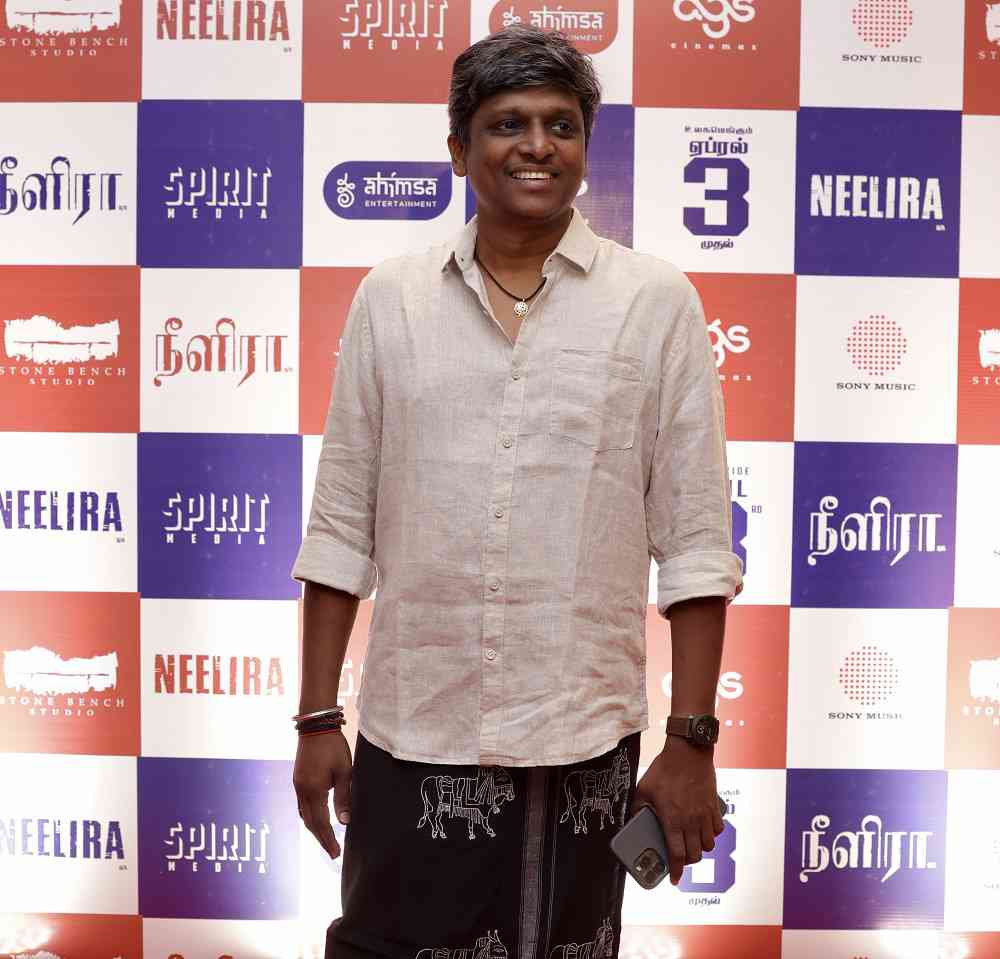
Neelira was filmed in 2023 in Nagercoil in Tamil Nadu, with a mixed cast of Indians and Sri Lankan Tamils. The renowned Koodiyattam dancer Kapila Venu makes her acting debut in Neelira, as the mother of the prospective bride.
Another cast member is a Sri Lankan Tamil emigre who had previously acted in a film in the 1970s. “His screen name was Jayakanth, like Rajinikanth, and he was supposed to appear with Rajinikanth in an India-Sri Lanka co-production in 1977, but the film didn’t take off because of the first anti-Tamil riots that year,” Someetharan explained.
In order to get the Sri Lankan Tamil accent right, the director encouraged the actors to behave like a family. “The Sri Lankan Tamil actors shared their stories, and passed on the accent to the other actors,” he said.
Directing Neelira was hugely emotional for Someetharan, given how involved he was with the subject. “I had the responsibility of representing my people, of showing their lives authentically,” he recalled. “At the same time, most of the incidents were very close to me. The shoot triggered my trauma. But I couldn't express it to anyone on the sets. The actors kept wondering why I was so silent. Was I thinking deeply about the scene or dialogues? I had create a bit of space to come out of it.”
The plaudits for Neelira have validated his efforts.
“My sleeping time has reduced because the film was released all over the world – people somehow find my number and call me to tell me their stories,” Someetharan said. “They are seeing their own lives on the big screen. They are reconnecting with their relatives. The Sri Lankan Tamils own the film.”
