




Honey Trehan’s Punjab ’95, which was in censorship purgatory for nearly four years, is finally out on the streaming platform Zee5. Punjab ’95 has a new title – Satluj. Call the film by any name, it remains a harrowing, heart-rending chronicle of the consequences of unchecked state power.
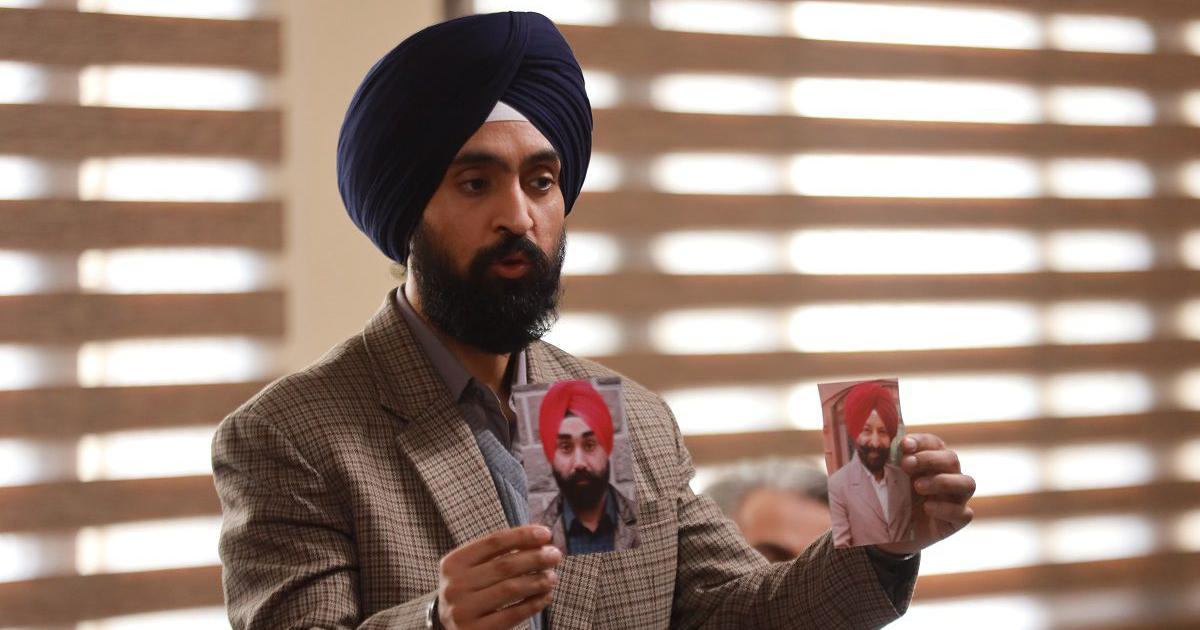
The Hindi-Punjabi movie, , which is led by Diljit Dosanjh, has been released on Zee5 without the numerous cuts that were demanded by the censor board. Satluj is based on the disappearance of human rights activist Jaswant Singh Khalra in 1995.
Khalra was abducted while investigating enforced disappearances and extra-judicial killings by the Punjab police during anti-terrorism operations. After several years, a bunch of junior police officers was convicted for Khalra’s murder. His body was never found.
Satluj opens with a chilling night-time sequence, the first of many. Scenes of police vehicles driving past unlit fields in the still of the night, bearing innocents who will soon be corpses, create an effective metaphor of dark deeds carried out when nobody is looking. Later in the film, shafts of light in darkness signal a different set of travellers who bring hope, rather than misery.
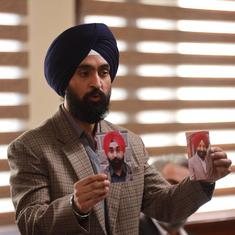
Troubled by the disappearance of a friend and then his protesting mother (Jyoti Dogra), Jaswant (Diljit Dosanjh) begins investigating the mysterious increase in unclaimed bodies at morgues and crematoria. A policemen, Satnam (Saurabh Sachdeva), offers Jaswant some help.
Although Jaswant’s campaign worries his wife Paramjit (Geetika Vidya Ohlyan), she remains supportive even after the family is subjected to scary phone calls and surveillance.
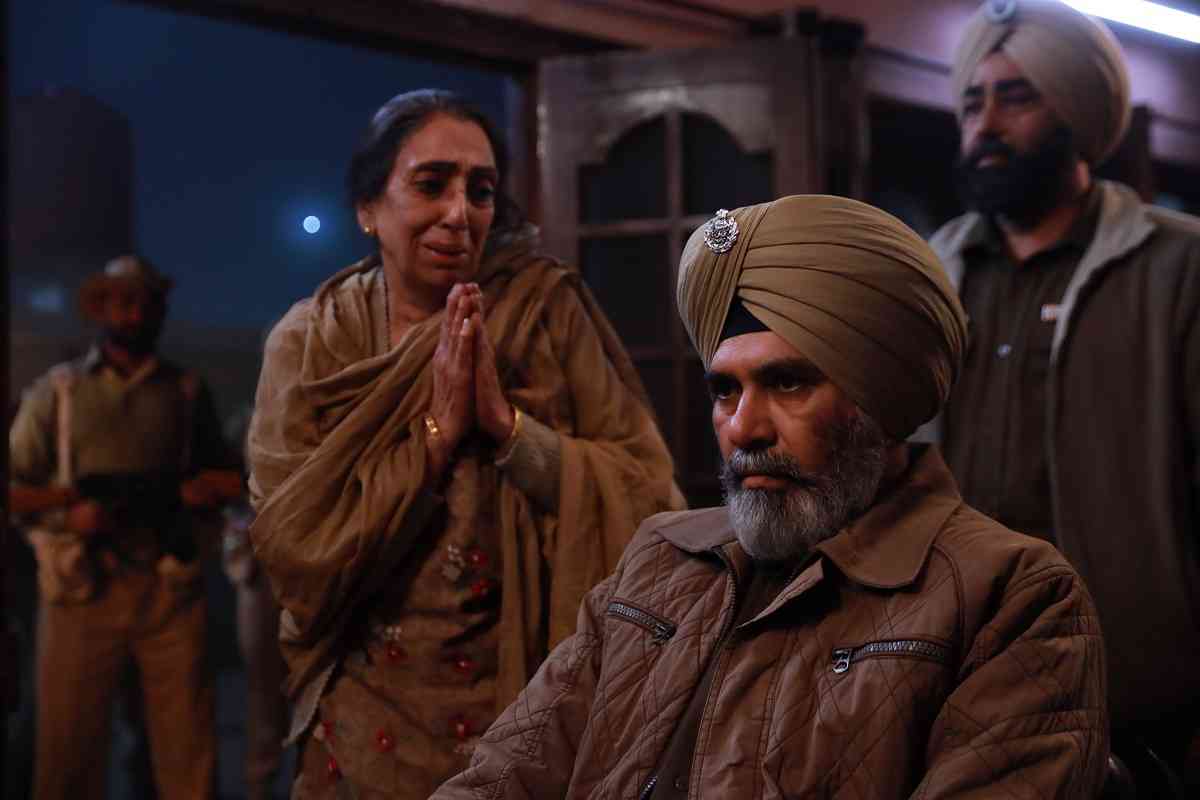
Despite threats masquerading as advice – why does the world need to know about our problem, a politician asks Jaswant – the activist soldiers on. Sugga (Suvinder Vicky) and his odious posse of rogue policemen turn on the screws in the only way they know. One of the film’s most nerve-shredding sequences takes place in Satnam’s house, over a meal of saag.
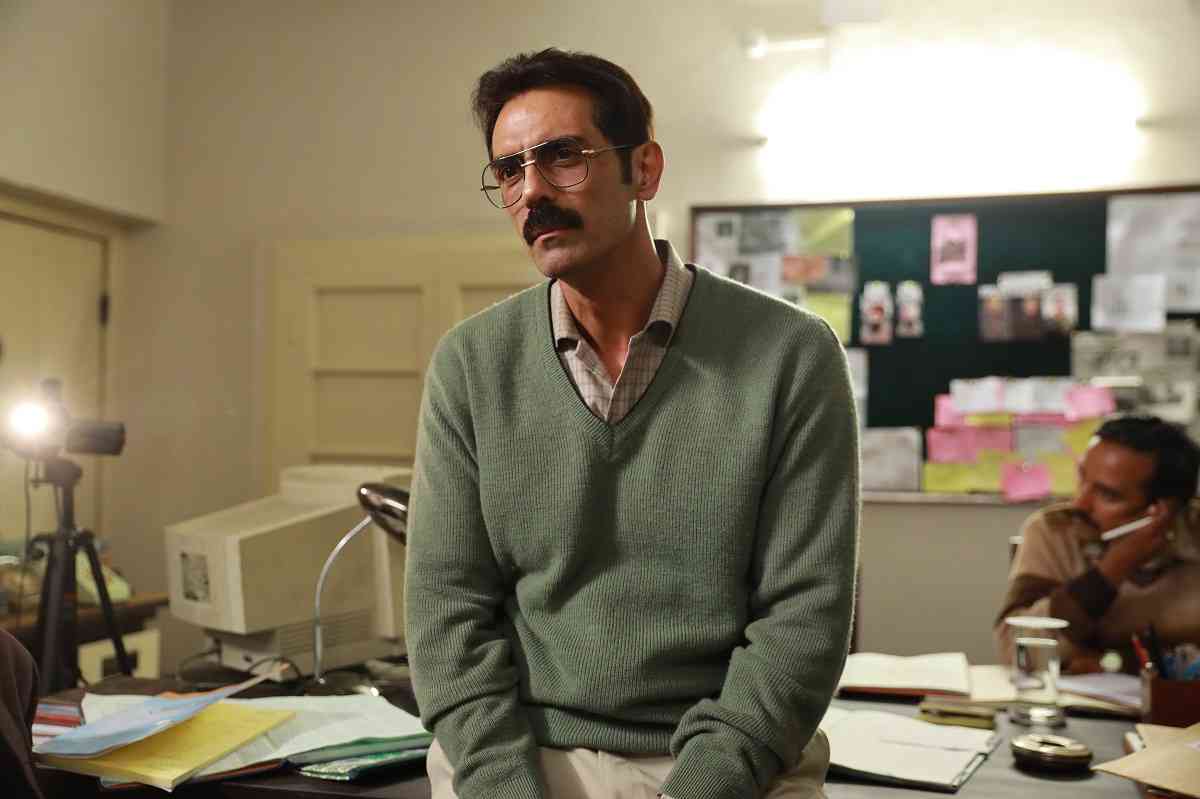
After Jaswant goes missing, public pressure led by Paramjit forces politicians and the judiciary to intervene. A Central Bureau of Investigation team led by Samudra (Arjun Rampal) turns up in Punjab to understand what happened to Jaswant, and who was responsible.
Honey Trehan and co-writers Niren Bhatt and Utsav Maitra have crafted Satluj as a classic conspiracy thriller. KU Mohanan’s rich camerawork and Sreekar Prasad’s precise editing add layers to a forensic expose of a rot that goes all the way to the top. Despite its length – 163 minutes, and not all of them necessary – Satluj is a gripping, tension-filled affair.
Some of the radicalism of the courageous personality who inspired Satluj is undercut by the film’s insistence on portraying Jaswant as a newcomer to politics as well as a spiritual man. The actual Jaswant Singh Khalra belonged to a family steeped in leftist politics.
In Satluj, Jaswant and other characters are motivated by religious beliefs. The larger civil society movement supporting Jaswant, and which continues his activism, isn’t visible.
Rather than a straightforward biopic of Khalra, Satluj uses its hero to lay bare a horrific culture of impunity. The movie also emphasises the importance of bearing witness. Satluj uncovers – and pays tribute to – a conscience network that ensures justice.
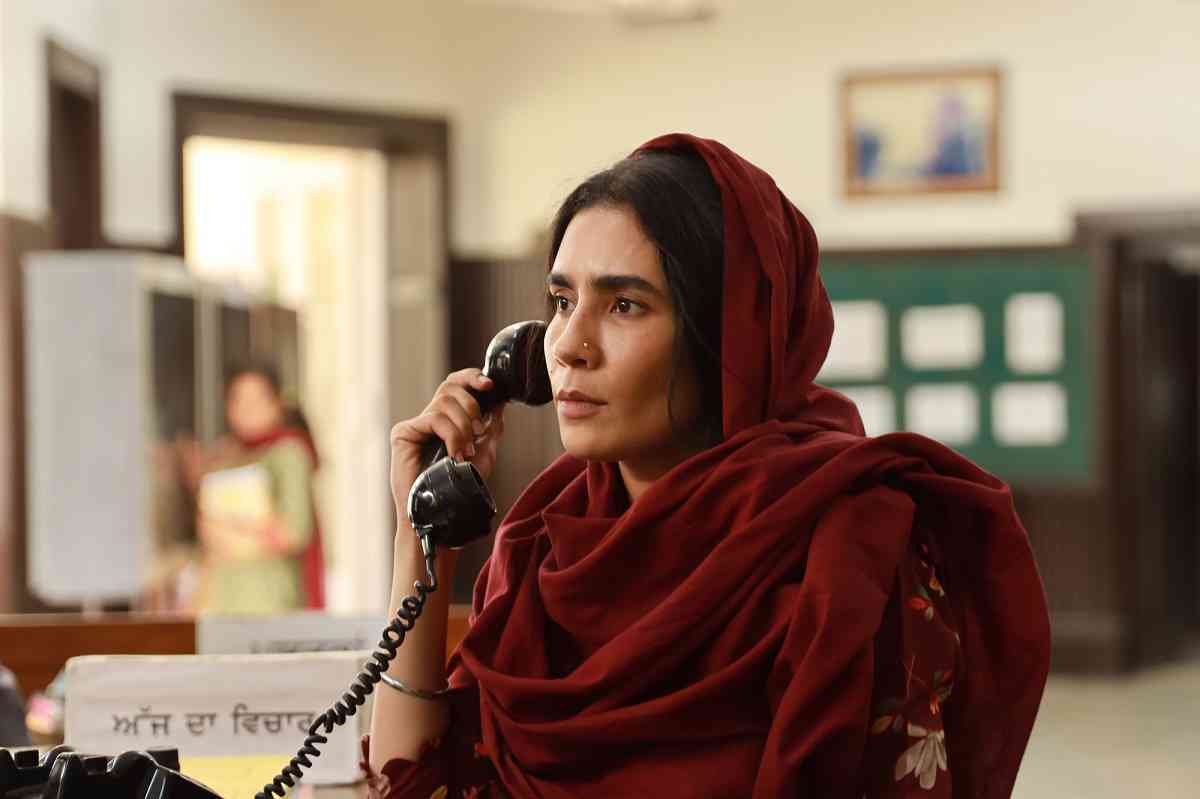
The film is admirably measured in its outrage and powerfully performed across the board. There are few actors like Diljit Dosanjh to play an activist who can raise hell in quiet tones. Like the film itself, Dosanjh selflessly goes about his work without drawing attention to himself.
Dosanjh’s massive impact is complemented by a cast that is one with the film’s overall vision. Several actors among the ensemble make a mark: Geetika Vidya Ohlyan’s strong-willed Paramjit, Vansh Bhardwaj’s promotion-obsessed cop, Saurabh Sachdeva’s sad-eyed whistle-blower, Kanwaljit Singh’s venal Bitta, Arjun Rampal’s principled Central Bureau of Investigation officer, Varun Badola’s committed lawyer. Suvinder Vicky’s demonic Sugga is a Nazi in a Punjab Police uniform who embodies the banality of evil.
Despite some indulgent moments, especially in the latter sections, Honey Trehan deftly showcases an extensive cast and complex themes. Trehan’s understanding of the circumstances that encourage the killing spree, as well as his clarity on human rights and moral probity, make Satluj one of the sharpest political films in recent memory.
There’s no scope for whataboutery in Satluj, no quarter given to claims that the only way to fight terrorism was to let the police off the leash. Although laser-focused on Jaswant’s travails, and exploring a specific period in Punjab’s history, the movie could be about any other part of India governed by unquestioned authority.
In Bitta’s dismissal of activism as a gimmick, or Sugga’s acceptance of collateral damage in order to combat militants, Satluj goes beyond its immediate setting. The new title oddly suits the film: between Punjab ’95 and Satluj lies the story of a country as it was and continues to be.
Also read:
Why the film ‘Punjab ’95’ hasn’t seen light of day
He fought against the ‘disappearing’ of young men from Punjab. Then one day, he ‘disappeared’ too
