


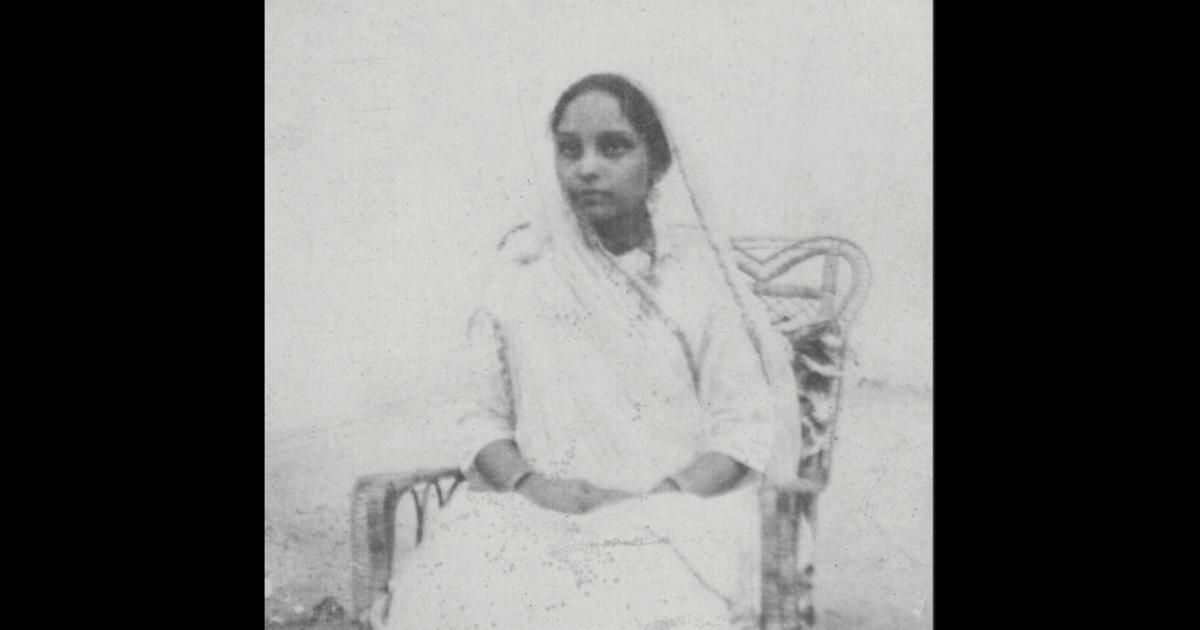
In due course Rajwati moved with her son Raghu to Calcutta where Shivraj had been transferred from Gurumahisani. Calcutta was the liveliest city and till recently the seat of the British government in India. It was regarded as the crown of the British Empire and was a bustling cosmopolitan city. To Rajjo’s delight Calcutta was then and continues to be even today, the provider of the most delicate and delicious varieties of sweets. Something like what Vienna can boast of in Europe. The elite and aristocracy of Bengal had evolved a culture covering music, poetry, literature and cuisine which Shivraj began to savour and to which he gradually introduced Rajjo. He even learnt some Bengali songs which caught his fancy and he sang them to her. Rajjo could not be persuaded to sing. What she agreed to do in those heady romantic days, as she discovered the various sides of Shivraj, was to learn to drive a car.
Cars were still a rarity in those early years of the twentieth century. There must have been some women in Bombay who drove cars and Rajjo must have belonged to that minority. Shivraj enjoyed all varieties of cuisine. Rajjo was a super cook. She treated her kitchen like a laboratory where precision was given priority. This I learnt many years later while watching her make pickles. My mother, Vimal, who was the wife of Raghu, when she first came to the house of her in-laws was struck by what she counted as fifty-six types of achars, pickles lined up in a cupboard which was specifically made for them. These included several varieties of mango and jackfruit pickles, prawn and venison meat pickles, among many others.
In Calcutta, the couple lived in the centre of the city in Lansdown Road. This is what Shivraj (whom I called Papaji) related about his house hunting experience in Calcutta many years later. He found an airy house next to a park. Its location was attractive but the house was a bit small. He told the landlord who was eager to rent the house, that he had a lot of furniture and that the house was not large enough for him. To which the landlord replied, “Oh, I see, you want the house for the furniture, I thought you wanted it for yourself!”
During his time with the Tata Steel Company, Shivraj was prospecting for iron ore in Bihar. Large reserves were found in the region which later came to be known as Jamshedpur. This name was derived from the name of Jamshedji Tata, the head of the family and owner of the company. Over time Jamshedpur became a leading industrial hub.
Rajjo was impressed with Bengali cuisine. She did not sing but listened to Rabindra Sangeet. Shivraj even picked up some songs, one of which I remember hearing him sing when I was about ten years old. The song is one of my favourites, partly because of my childhood association with it. This is “Ami Chini go Chini Tomare, Ogo Bideshini”. Here it is with its English translation.
I know you. I do,
O stranger from the distant land,
Your home is across the seas.
O stranger from the distant land,
I have seen you in autumn mornings.
I have seen you on fragrant nights,
I have seen you in the depths of my heart,
O stranger from the distant land.
I have spread my ears across the sky.
I have even heard your songs …
I have surrendered my life to you.
To you, O stranger.
After roaming around the world,
I have stepped on this new land.
I’m standing at your doorstep now.
Your guest. O maiden
From across the sea.
Shivraj and Rajjo appear to have made friends in Calcutta and savoured the varieties which that bustling city offered. But with time, Shivraj began to feel that he wanted to move on from prospecting to something that allowed him more freedom. Whereas all along he had been in a position of taking instructions, he yearned to be the decision maker himself. Rajjo noticed that Shivraj was restless. He wanted to enter a more challenging field than prospecting. If he were the owner of a company he could create many more possibilities. Something that he could not do now. She remembered Babaji’s words that his eldest son wanted to fly. After the birth of their second son, Ravi, in Calcutta, Shivraj tendered his resignation to Tata and the family of four moved back to Lahore in 1922.
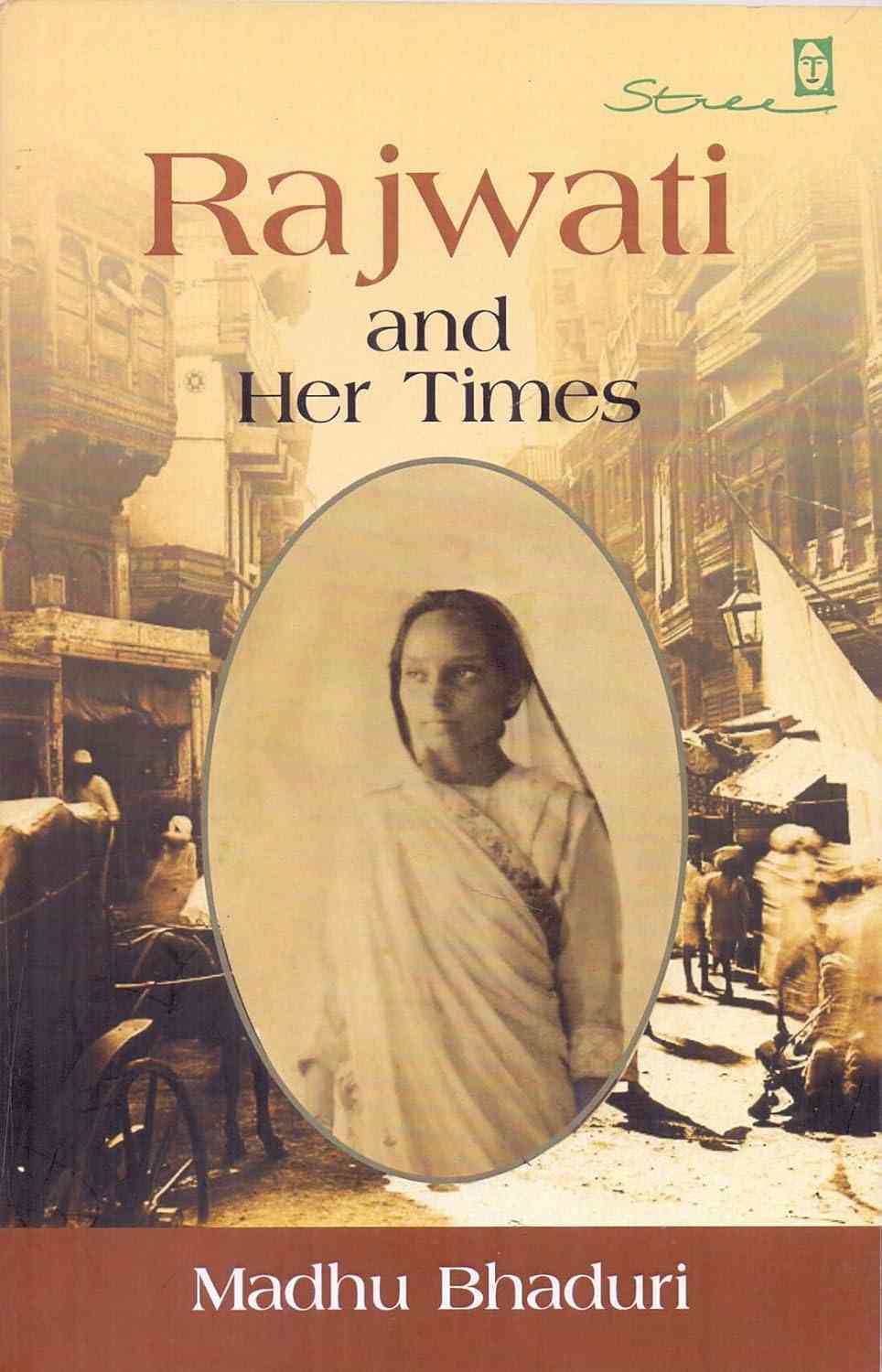
Excerpted with permission from Rajwati and Her Times, Madhu Bhaduri, Stree Books.
