







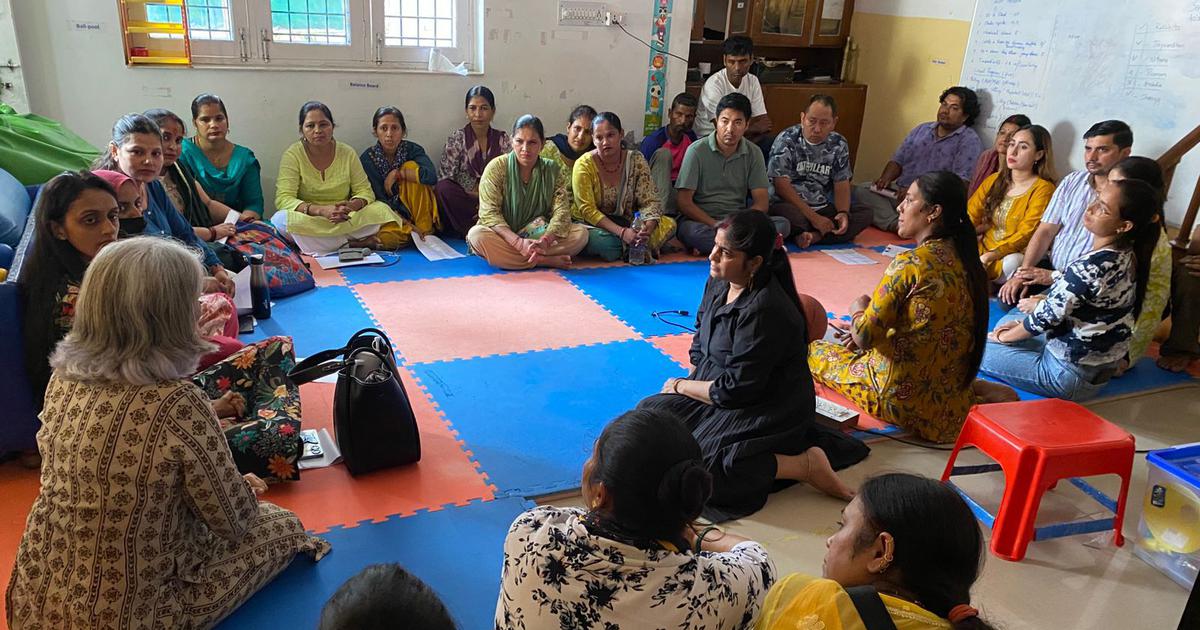
Moy Moy’s Circle by Suchitra Shenoy is not simply the story of a girl with disabilities and the community that formed around her; it is an intimate chronicle of love put into practice. Shenoy’s writing style is striking in its awareness of the real-life story before her, not requiring any embellishment. Instead, she steps aside and allows Jo Chopra-McGowan, an American woman who married an Indian and has made India her home, her daughter Moy Moy, and the Latika Roy Foundation to tell us their story. It is the refusal to get in the way of the story that makes the narrative so powerful.
An instinctive acceptance
The story begins on a pavement in Dehradun. A young woman gives birth on the sidewalk and leaves the baby behind. When Jo hears of this occurrence, she doesn’t wait to think through the consequences before choosing to bring the child home. That baby becomes Moy Moy. Over the months and years, it becomes clear that Moy has cerebral palsy. Her condition slowly worsens. But by then, she is already their daughter – deeply loved, fully claimed. This single act of instinctive acceptance becomes the foundation on which the Latika Roy Foundation is built.
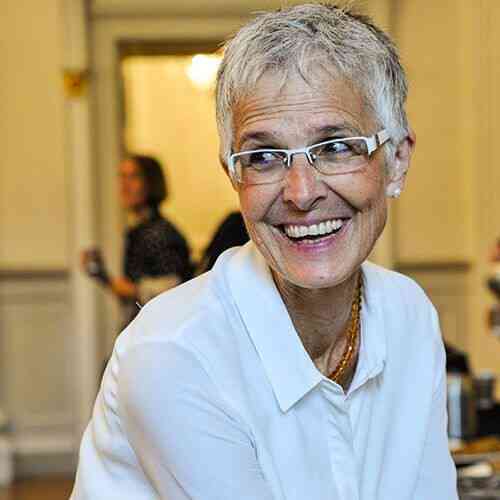
Latika is built on love and respect in equal measure. Anna Bruce, a speech therapist from the UK’s National Health Service, notes that employers back home would be stunned by the kind of “love and involvement” she saw at Latika. It is not merely built on sentimentality, but on commitment, made visible in everyday routines.
Shenoy captures this beautifully when she writes, “What radiates, though, is pure joy. Their self-confidence is palpable as they greet each other, walk through the door with different gaits, or roll in on wheelchairs, and show through smiles, waves, pats on the arms, pleasure at being at their school.” What you notice is not their disability, but their sense of belonging.
Innovation at Latika is not flashy. It is practical. Rather than theme parks and museums, children here go on school trips to petrol stations and airports, not for entertainment but to learn how to navigate everyday spaces. Teenage students begin vocational training much like their peers in regular schools start preparing for competitive exams. Girls are taught how to use sanitary pads, not as a clinical lesson but as a step towards independence and dignity.
A tough, rewarding journey
Shenoy explores different points of view without the reader feeling lost. Instead, the readers develop relationships with several characters besides the protagonist, Jo. We learn of Jo’s childhood and the values her parents passed on to her – the simple belief that if someone needs help, you offer it. We meet her husband, Ravi, who runs the People’s Science Institute, and see how their shared life makes room for strangers, volunteers, visiting family members, and three elderly relatives under one roof. At one point, Jo recalls how their house held her parents, Ravi’s elderly relatives, three children, Moy Moy, and even visiting staff from Latika – some staying for months. In this crowded home, they somehow built two organisations and raised their family.
What sets Latika apart is Jo’s refusal to let it grow into a faceless institution. Latika is deliberately not a large institution. Jo says, “I have never wanted to get gigantic… because there is something really weird about walking into a place that is full of disabled children. It is not human scale, it is institutional.” She wanted a place where Moy wasn’t one among hundreds of “disabled children,” but just Moy Moy – seen in her fullness, as a mischievous, fun-loving person. As a person.
Before Latika, care centres in India were usually drab, sorrowful places with grey walls, silent rooms, and a sense of charity rather than respect. Latika opened its doors with sunlight, bright paint, craft materials, and laughter. It looked less like a shelter and more like a school where life continued with colour and noise.
Shenoy does not romanticise the journey. She writes openly about the exhaustion. Of the years of balancing therapy schedules, raising funds, training staff, caring for ageing family members, and dealing with Moy’s debilitating condition. The early years were full of possibilities. Then, in the blink of an eye, a quarter of a century had gone by.
At its core, Moy Moy’s Circle asks an unassuming but important question: can care remain personal as it becomes organised? Can an institution be efficient without losing kindness? Shenoy does not answer these questions directly. Instead, she shows us how Jo and her circle choose, day after day, to keep people at the centre of the work.
This is a story about doing the work even when there is no applause. And that is what makes it feel real.
Tarini Mohan’s debut book, Lifequake: A Story of Hope and Humanity, was published earlier this year. She currently works as strategic advisor at The Antara Foundation, in public health, focusing on maternal and child mortality.
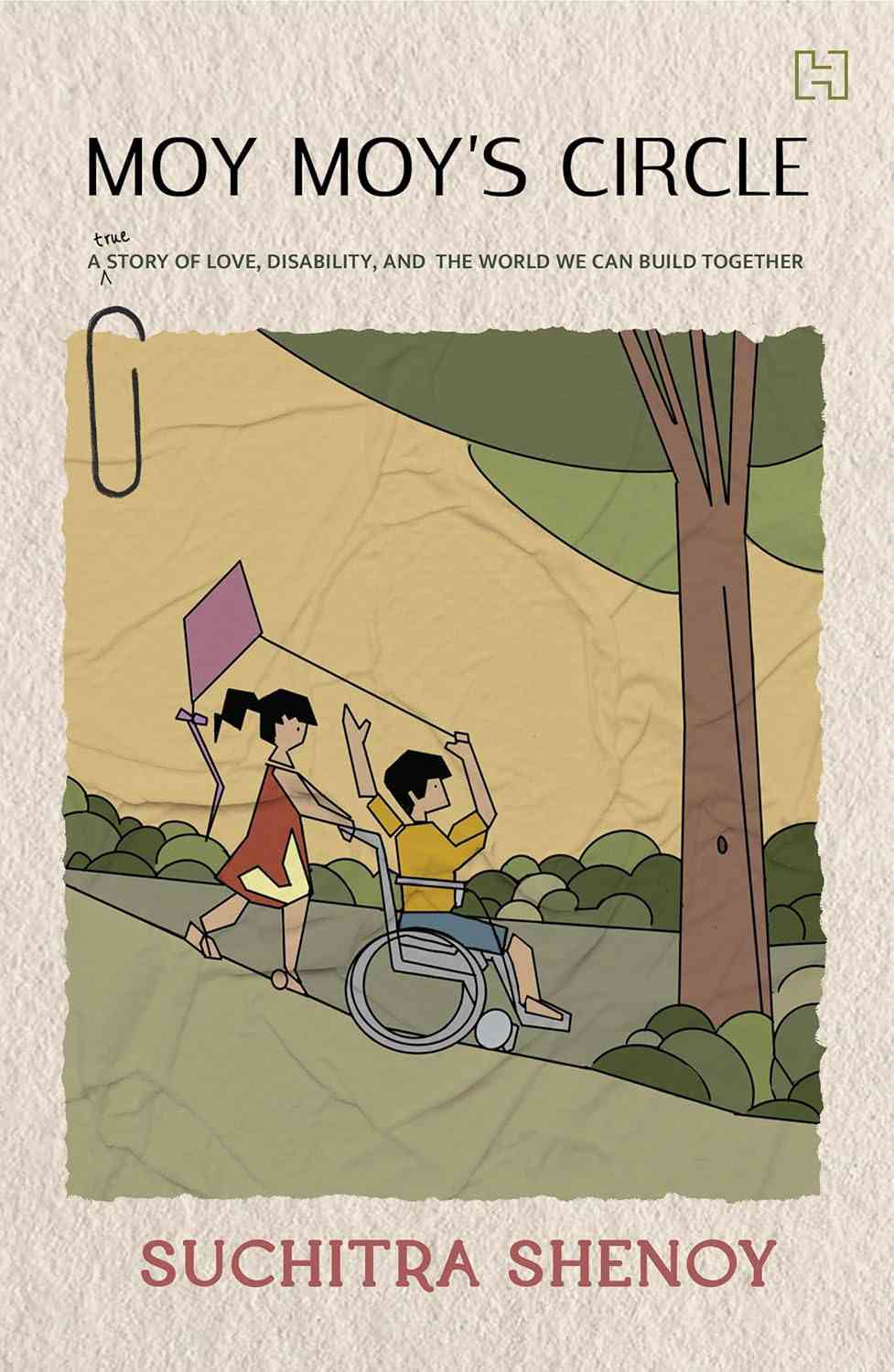
Moy Moys, Circle: A True Story of Love, Disability and The World We Can Build Together, Suchitra Shenoy, Hachette India.
