






If COP 21, the United Nations’ Climate Change Conference in Paris in 2015 that gave us the Paris Agreement to tackle climate change and its negative impacts, had been a Bollywood film, it would be that overhyped, overstuffed, occasionally brilliant, mostly chaotic blockbuster that somehow ends up making everyone slightly frustrated but still queuing up for the sequel.
The Conference of Parties 30 in Belem, Brazil, which ended on Monday, was that sequel. In the 11 days from November 10, there were moments of courage, flashes of farce, a few plot twists and the usual cast of characters pretending they had saved the world while the actual world waits outside, sweating, flooding, burning or protesting.
Let’s begin with the atmosphere
Belém smelled of humidity, grilled fish and tension. There was tropical heat with occasional thundershowers that some European delegates described as biblical.
Science has already served its warning: unless the global emissions that cause global temperatures to rise are cut by 60% by 2030, the world should prepare to be hot enough to make Mumbai local trains at rush hour feel pleasant. Add to that the International Court of Justice in July telling rich countries, gently but firmly that providing climate finance to allow developing countries to adopt green technologies is a duty, not a donation.
Brazilian President Lula described the meeting as the “COP of Truth” and the COP 30 President André Corrêa do Lago swore by mutirão (Portuguese for collective effort) to deliver a “COP of Implementation”. Expectations were sky-high because this was supposed to be the grand Implementation COP – the one where the world finally moves from PowerPoint presentations to actual action.
With such an effort, you would think that COP30 would have delivered fireworks. Instead, it delivered an outcome, that was trying to outrun global chaos while tripping over its own shoelaces, titled “Global Mutirão: “Uniting humanity in a global mobilisation against climate change”. The outcome was approved by 195 parties, proving that multilateralism was alive, if not kicking.
About 1,600 fossil-fuel lobbyists in suits, mingled with around 40,000 delegates from around the world, and their influence showed in the final outcome, which omitted any reference to the call for phasing out fossil fuels altogether.
#BREAKING: #COP30 ends without a deal to transition away from fossil fuels, halt deforestation, or secure a nature package.
— WWF (@WWF) November 22, 2025
Modest steps fall far short of what’s needed after a year above 1.5°C.
The work is more urgent than ever – and it must be delivered. pic.twitter.com/NpaFG6WN4j
The Good
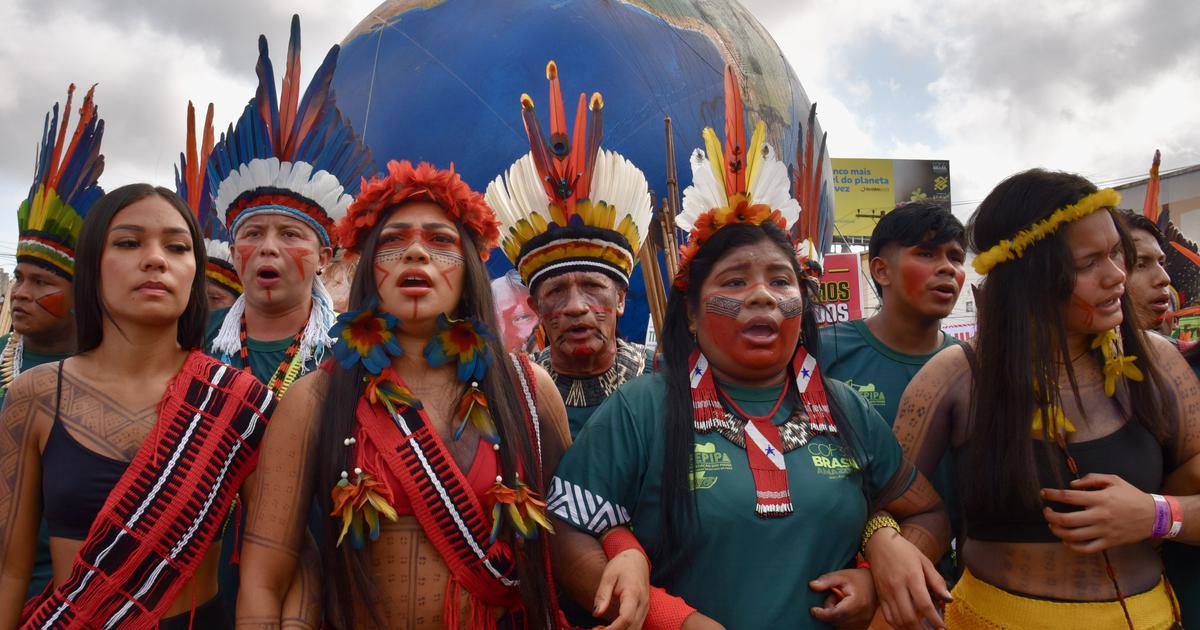
To be fair, some good things did happen. The streets were alive again. After years of limited civic space at the meetings, the return of protests felt like the oxygen COPs had been missing. Indigenous communities led marches with dignity and fire. Youth networks shook the conference corridors. Journalists could report without looking over their shoulders. The People’s Summit with civil society participants was buzzing with ideas, urgency and the kind of honesty negotiators rarely manage inside air-conditioned rooms.
Inside the negotiating rooms, the Just Transition Work Programme landed one of the few real victories. It resulted in the creation of an institutional mechanism around just transition to green technologies with the most progressive rights-based framing ever seen in a COP decision. For the first time, labour rights, human rights, the right to a clean environment, “free, prior and informed consent” and the inclusion of marginalised groups were all recognised as core to achieving more ambitious climate action.
Cities and local governments from around the world also stepped into the spotlight. Their message was clear: “While you argue, we actually do things.” From heatwave management to electric mobility and flood readiness, cities are already living inside the climate crisis. They didn’t wait for permission, and they certainly won’t wait for Antalya (COP31) or Addis Ababa (COP32) to start adapting to extreme heat and flooding that now account for 59% of high-risk hazards reported by cities. If anything gives genuine hope, it is this unstoppable subnational momentum.
In a COP where fossil fuels that hasten climate change remained the Voldemort of diplomatic text, this was no small feat. And science and law, those two shy kids in the back of the classroom, suddenly became popular. Countries quoted the International Court of Justice Advisory Opinion like it was gospel and invoked the United Nation’s Intergovernmental Panel on Climate Change as the best source of truth. The panel’s task is to “provide governments at all levels with scientific information that they can use to develop climate policies”.
When, after years of hiding the panel reports calling for urgent actions under the carpet at negotiations, even reluctant negotiators start citing climate science as if their futures depend on it (which they do), you know something has shifted.
But for every step forward, COP30 managed two elegant steps backward, almost like a climate tango choreographed by bureaucratic indecision.
The Bad
Energy was the great diplomatic dance of avoidance. The world is burning, science says fossil fuels must go, and with most rich countries and emerging economies avoiding the topic since the “ff” words slipped into the text in Dubai, a coalition of around 80 countries led by Colombia and the European Union came together in Belem to demand a roadmap for transitioning away from fossil fuels. Colombia even announced that it would host the first global conference on fossil fuel phase-out in 2026.
It was the kind of energy that should have translated into decisive language in the negotiated text. But of course, a COP meeting is the place where political courage goes to sulk in a corner and the final text managed to dodge every explicit reference to fossil fuels like a seasoned politician dodging questions about their income tax filings.
Forests, were the emotional centre of Belém. Delegates spoke of the Amazon with reverence bordering on poetry, even as the formal text on deforestation consisted of one lonely preambular sentence. But politics outside the negotiations was loud enough to spur Brazil into announcing a new science-based global roadmap to halt and reverse deforestation by 2030.
Meanwhile, Brazil’s forest fund, The Tropical Forests Forever Facility raked in nearly $7 billion, the closest humanity has come to paying back the rainforest for all the oxygen it has quietly provided. This facility aims to pay countries for keeping their tropical forests standing. To that end, it is designed as a “blended finance vehicle” that seeks to raise $25 billion from “sponsor” countries – mainly developed nations and philanthropies.
During the launch, the facility received $5.5 billion from Norway, Brazil, Portugal, France and Netherlands and another $1.1 billion from Germany. After the launch of the forests fund, it was rejected by 150 civil society groups and indigenous peoples’ organisations, who said it “does not seek to address the true structural causes of forest destruction” and “does not prioritise indigenous peoples and local communities”.
Since COP 30 was also dubbed as the “COP of adaptation,” negotiators were expected to agree to a list of “indicators” that would allow countries to measure their progress under the global goal on adaptation of green technologies. A much-reduced set of indicators was ultimately agreed upon at COP30 with a vague promise by developed countries to triple adaptation finance by 2035. But the big, urgent, life-saving decisions were kicked down the road. Again.
Loss and damage caused by climate-related disasters featured in multiple COP30 negotiating tracks, but fared no better. Despite some procedural wins, the political elephant in the room, finance for the loss and damage in developing countries has long been a fraught topic at United Nations' climate talks. Despite being established two years ago at COP28, progress in “filling” the United NationsFund for Responding to Loss and Damage has been slow. Developing countries walked away knowing that when the next cyclone hits, they will still be expected to foot most of the bill.
The biggest embarrassment was the process itself. Week 2 dissolved into what the Presidency optimistically called “shuttle diplomacy”, a term that here meant closed rooms, closed drafts and a general sense that half the negotiators were wandering around blindfolded.
For days, nothing moved in the open plenaries because the real decisions were being cooked behind locked doors. Countries that usually push ambition were sidelined. Trust evaporated faster than Belém rainwater in the Amazon sun. Several countries actually complained about the process in the closing plenary, which at a COP is the diplomatic equivalent of throwing your shoes at the stage.
Leaders at #COP30 in Brazil failed to agree to place people over profits as a lack of unity, accountability and transparency chipped away at delivering the urgent and effective climate action needed.
— Amnesty International (@amnesty) November 22, 2025
Yet people power at #COP demonstrates that humanity will win ⤵️…
The Unforgivable
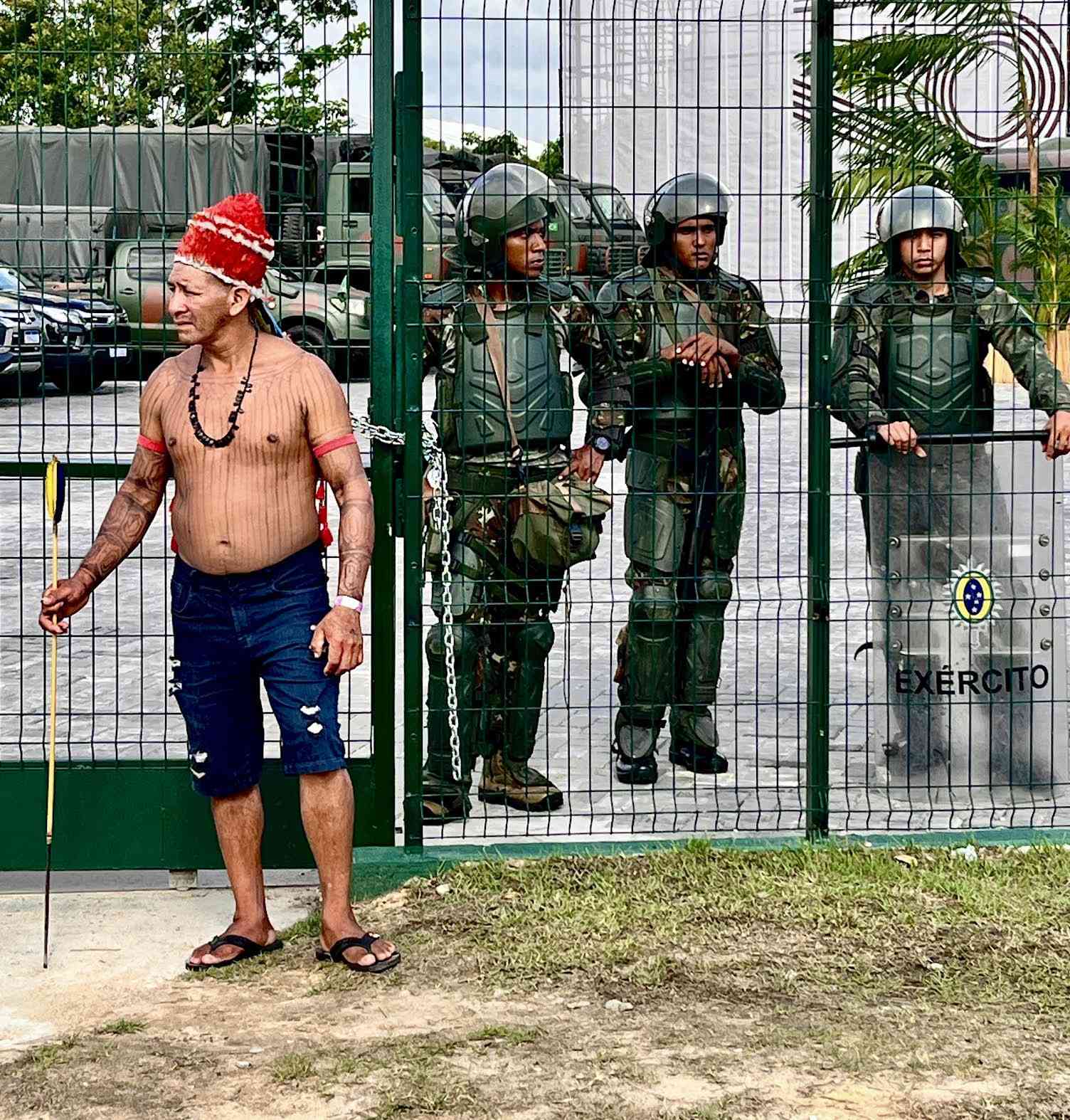
And finally, the unforgivable bit, Indigenous peoples being side-lined, at a COP held in the Amazon, no less. According to the Coalition of Indigenous Peoples of Brazil, around 2,500 Indigenous representatives came to Belém to take part in proceedings – the largest turnout of its kind at a COP. However, out of this group, only 14% had access to the prime zone for negotiation. After two years of political engagement, their demands barely made it into the final texts, except in just transition.
Earlier in week one of COP30, dozens of indigenous protesters forced their way into the summit’s blue zone, leading to violent clashes with security. The protesters were expressing anger at a lack of access to the negotiations and “were upset with ongoing industry and development projects” in the Amazon,
An group of around 50 indigenous people also briefly blockaded the main entrance of COP in protest of extractive activities in the Amazon. Their protests outside were not PR exercises; they were desperate warnings from people who protect some of the last intact ecosystems left on Earth.
So, why should you care?
Why does a messy UN conference in Brazil matter for you, trying to make rent in a city?
1. Your wallet: The failure to seriously phase out fossil fuels means the petrol for your car, the electricity for your apartment and the cost of everything will stay volatile and tied to a dying industry. A real transition means investment in cheap, clean energy and stable prices.
2. Your job: The “Just Transition” win is a big deal for your future career. It’s about ensuring the new green jobs are good jobs with fair wages and rights. It’s about retraining and opportunities, not getting left behind.
3. Your city: The “Action Agenda” involves your municipality investing in better public transit, bike lanes and green spaces. It’s about making your city more livable and resilient against heatwaves and floods. Kolkata, Mumbai, Ahmedabad are already showing the way as more and more cities are drafting Climate Action Plans. Check them out and engage.
4. Your freedoms: The protests in Belém and the push for Indigenous rights are a mirror to your own. When they crack down on climate activists or silence Indigenous voices there, it’s part of the same fight to protect the space to protest and speak truth to power everywhere, whether it is Delhites protesting against air pollution or Mumbaikars calling for protection of Sanjay Gandhi National Park.
5. The “vibes” become reality: The roadmaps and dialogues announced here will turn into real national policies that dictate everything from the food at the grocery store to the taxes you pay. This stuff eventually filters down and shapes your daily life.
So, the final score? COP30 was a masterclass in keeping a broken system alive, while the real hope came from the people, cities, and countries pushing from the outside.
Shailendra Yashwant participated COP 30 as an environmental non-governmental organisation observer and representative of Climate Action Network South Asia, a coalition of 280 NGOs that he advises on communication and advocacy strategies. His X handle is @shaibaba.
