









I’ve always had a soft spot for warm, soupy food, the kind that slows your chewing, feeds you and then gently shuts you down. Though Delhi feels like a large, unregulated gas chamber, a bowl of thukpa is my personal emergency shelter.
Thukpa is not for multitaskers. Born in the cold regions of eastern Tibet, this noodle soup was designed for survival. It arrived in India after the 1959 Tibetan exodus and made itself comfortable across the Himalayan regions of Ladakh, Sikkim, and Darjeeling.
Over time, it has picked up vegetables, chicken and adapted to regional variations, but its true job description has remained unchanged: make you feel safe and extremely sleepy.
Growing up, we moved cities often, and my mother responded to every minor inconvenience –weather changes, sniffles, emotional distress – with warm food. Soup was the answer to everything. Cold food was viewed with suspicion, possibly even moral judgement. Somewhere in this upbringing, my nervous system learned to associate broth with stability.
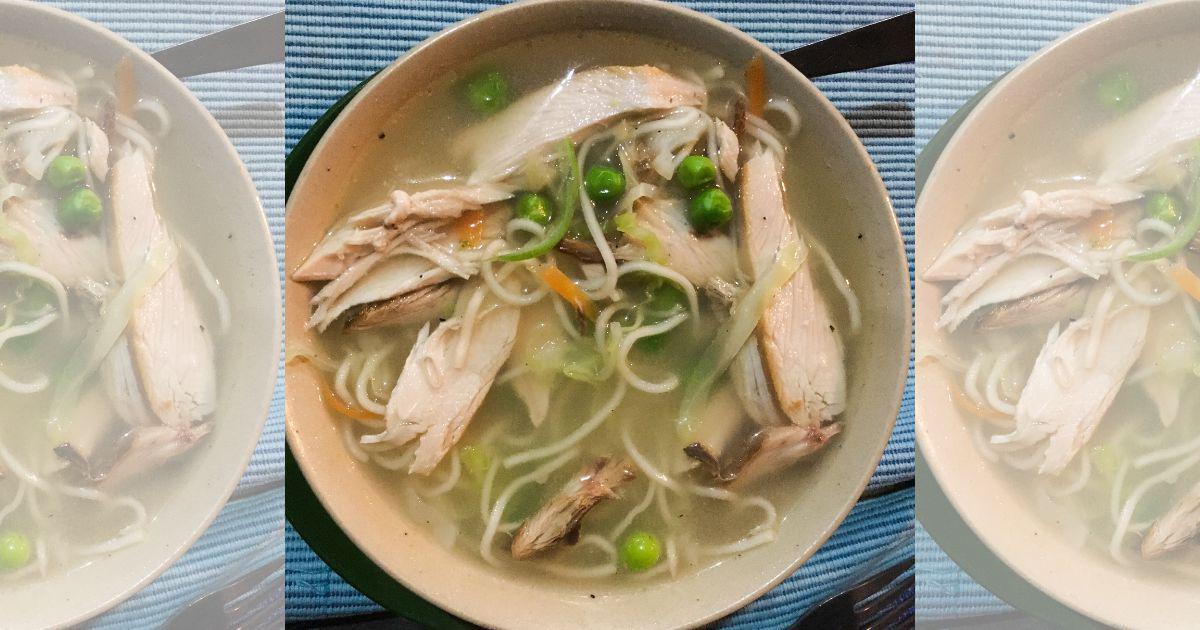
Which is why thukpa works way it does for me. A bowl of noodles floating in broth, generously tangled with chicken and vegetables, has the power to undo my entire day. A few spoonfuls in, my shoulders drop, my phone becomes irrelevant, and life’s problems feel negotiable. By the time I reach the bottom of the bowl, I am no longer a functioning adult but a content object.
After years of travelling across the country, I’ve noticed a pattern. Every time I return to Delhi, I find my way back to thukpa. Not because I’m hungry, but because I need emotional regulation. It marks my return, tucks me in from the inside, and gently escorts me into a food coma so deep that air quality becomes someone else’s department.
For a moment, it’s just me, my soup and a strong commitment to being horizontal.
