






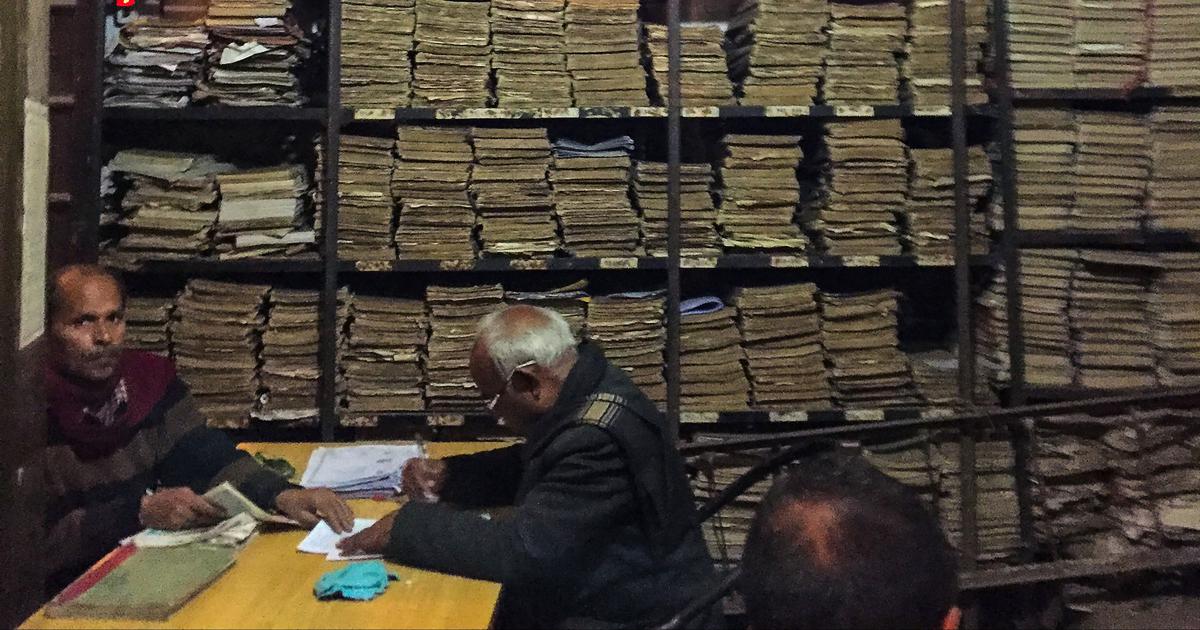
Waiting is often described as an inconvenience, a symbol of inefficiency. In the Indian judicial system, though waiting and delays are widespread, they seem invisible: no order is passed, no force is used, no decision is communicated. One simply waits.
An estimated 5.34 crore cases were pending across Indian courts as of September. According to the National Judicial Data Grid, the reasons for the backlog included no available counsel (which accounted for the maximum number of cases delayed), missing witnesses or documents and stays on proceedings by the higher courts.
When the courts decide on constitutional questions such as rights, liberty or equality, waiting is described as a problem of capacity – a logistical explanation.
From a citizen’s point of view, waiting is more than an administrative failure but an experience: like being arrested, stopped at a checkpoint, denied a licence or turned away from a government office. It is one of the ways the state makes its presence felt in everyday life.
The experience of judicial delays carries constitutional weight. The coercive power of the state becomes visible in arrests, notices, seizures, prohibitions. But power is less easy to recognise when it looks passive – and delay rarely looks like authority and power in motion.
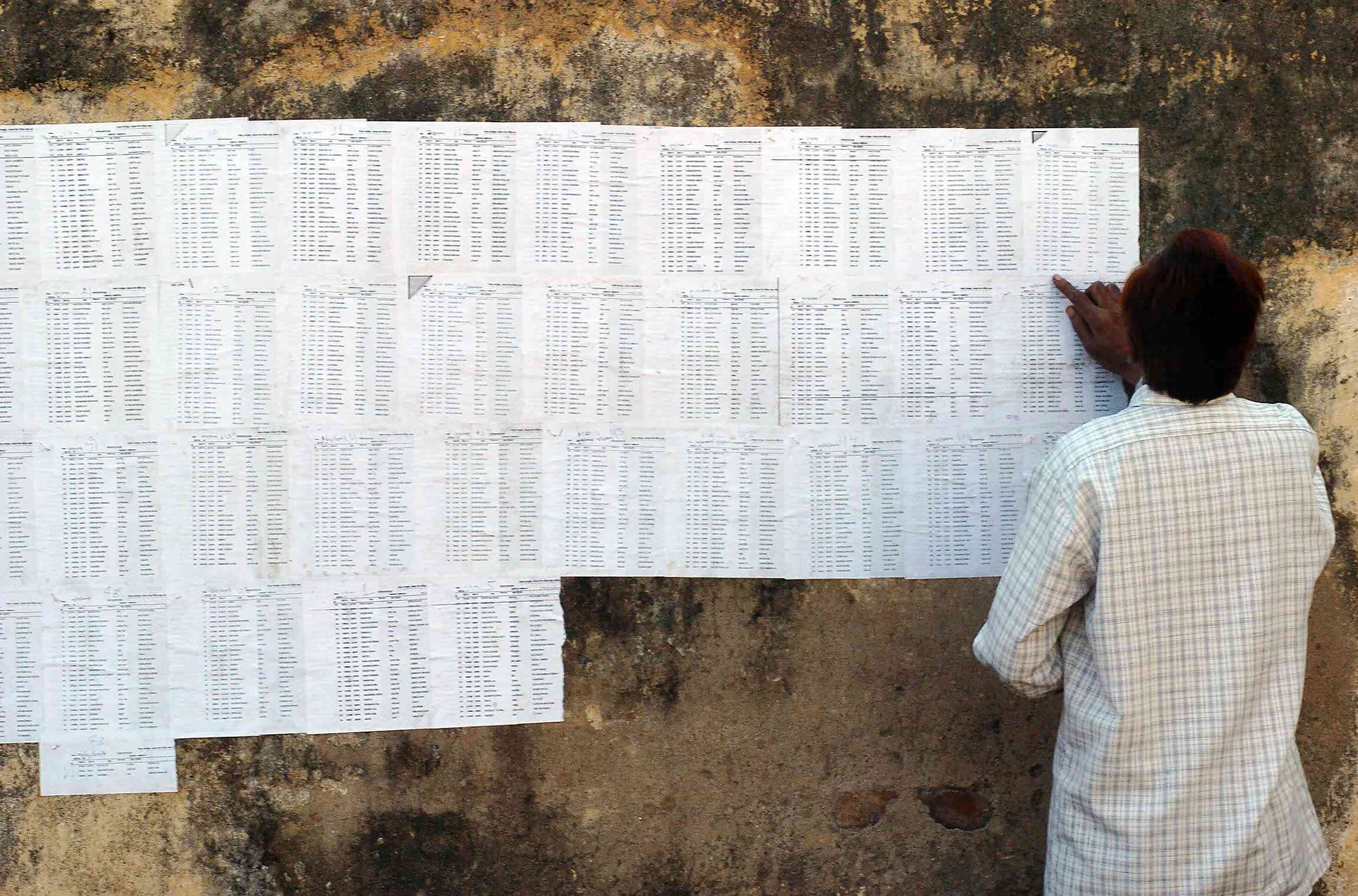
Consider the choreography of waiting. You arrive early. You are told to sit. Your turn is not announced, often due to error. When you ask the person behind the desk what is happening, if at all anyone replies, the answers are vague. Time passes without acknowledgement. You learn not to ask too many questions and whom not to annoy. Patience becomes a survival strategy.
Lawyers experience this every day in the courts. The listed time of a hearing has little meaning since the actual hearing may take place hours later or not at all. One waits without complaint because complaining risks consequences. But lawyers are also complicit in normalising this because we translate delay into procedure, as something inevitable. This is how the system works, we tell clients. In doing so, we help launder power into routine.
The constitutional vocabulary of equality, dignity and liberty struggles to capture this experience of inordinate delays because there is no single moment to challenge nor an identifiable violation.
Article 14 of the Constitution, which promises equality before the law, loses meaning if some wait endlessly while others are heard swiftly. Similarly, personal liberty under Article 21 is weakened when bail and appeals arrive too late to matter and the right to seek remedies against the state, under Article 32, is rendered hollow when relief comes after irreparable harm has already occurred.
To recognise waiting as a constitutional experience is to insist that time is a medium of power and therefore of responsibility. This Republic Day, India’s judiciary must recognise that justice delayed is not merely justice denied, but a constitutional failing.
How long is too long
Constitutional law is most comfortable examining visible exercises of power, say, when the state arrests someone, demolishes a building or bans a book. But the judiciary struggles to confront routine inaction like in cases which drag on for years without a hearing or a decision.
The courts have repeatedly acknowledged judicial backlogs and issued directions to correct this. Yet these have rarely translated into treating delays as a violation of rights. The law does recognise that excessive delays can be unfair, what lawyers call the “delay doctrine”, but this is applied in exceptional situations, after the damage has been done. It treats delays as an anomaly rather than a routine way in which power is exercised.
The ordinary, low-grade delays that shape most interactions between citizens and the state – in courts, government offices and regulatory bodies – remain largely invisible. Some wait far longer than others, just as some files move much faster than many others. The Constitution promises equality before the law but this covert inequality produces a hierarchy.
The courts have asked how long is too long. However, delay is experienced differently by the state and the citizen. Institutions wait, with little cost, but for individuals the toll is personal, economic and psychological.
This asymmetry corrodes the rule of law, training citizens to internalise subordination while rewarding those who can bypass queues. Over time, delays change what the law feels like in practice, shifting from a system of rights into a system of endurance.
Delays also lock people into systems, even when those systems fail them. The longer one waits, the higher the psychological cost of walking away. Over time, waiting becomes a form of pressure, keeping people bound to a process that no longer feels responsive.
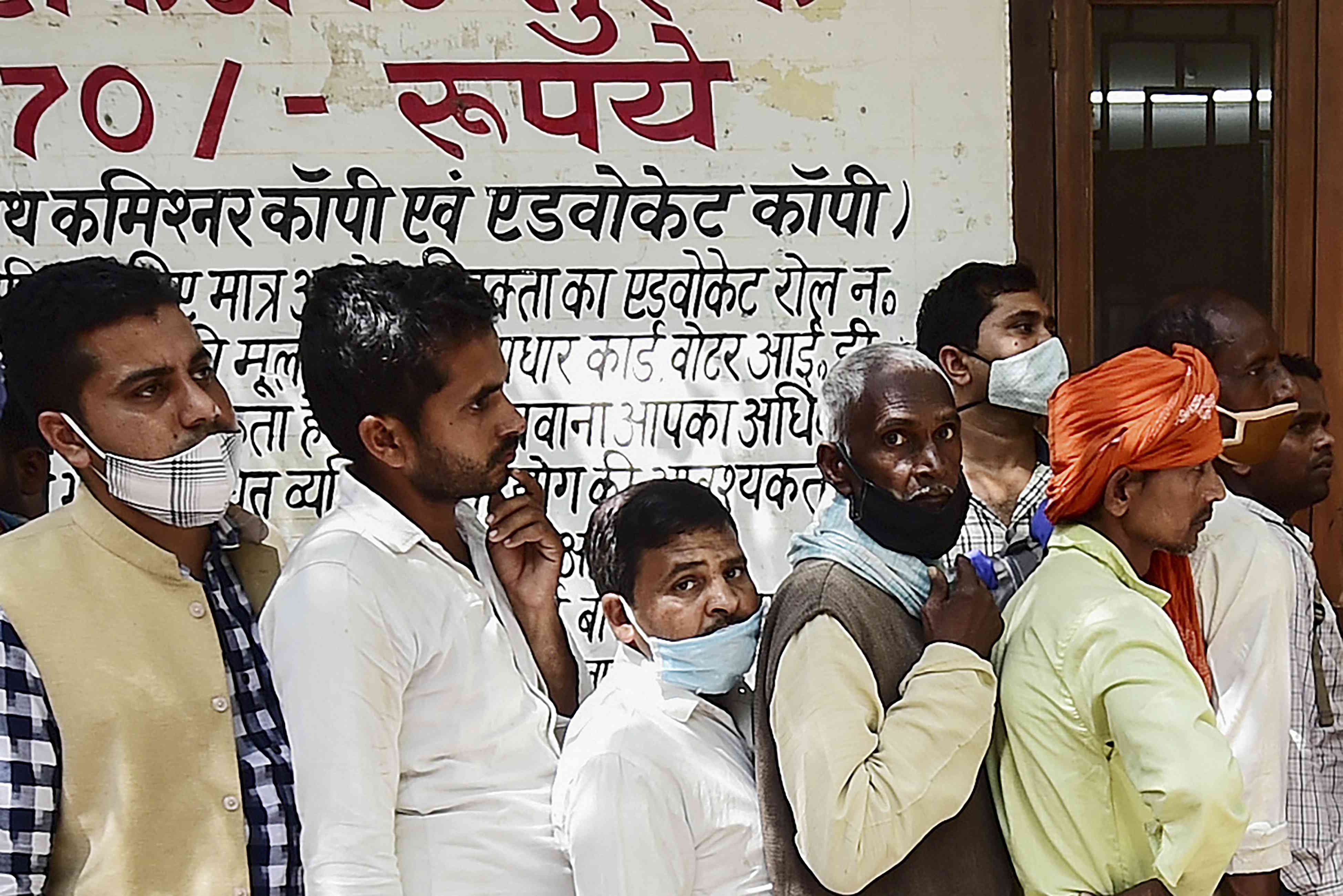
Unlawful practices, such as illegal demolitions that are reviewed only after homes are already destroyed, or arbitrary licence cancellations that take years to be corrected, continue because cases crawl through files, hearings and appeals so slowly that by the time the law responds, the damage is long forgotten.
Delay thus diffuses accountability: no single official appears responsible, and there is often no timely decision that can be meaningfully challenged. Power is quietly wielded through delay.
Waiting becomes a form of governance through time. Because time feels natural, as hours and days go by, the authority embedded in that passage of time can feel natural. However, the Constitution does not recognise “natural” power: it recognises exercised power.
Unexplained delays suggest that the state does not feel obliged to account for its time and nor does it fully recognise the person who waits as someone entitled to respect and justification.
None of this requires bad faith. Ordinary administrative functioning, without reflection, can produce deeply unequal constitutional experiences.
The Constitution promises a relationship between a citizen and the state grounded in justification, respect and reciprocal obligation. Yet, delays persist within legal systems that are supposed to uphold rights and ensure accountability.
Judicial reform must begin by reframing delay itself as a violation of constitutional guarantees owed to citizens.
The Supreme Court has often spoken about backlogs in terms of efficiency, infrastructure, and disposal rates. But a constitutional perspective demands something more. Delays must be treated as a rights issue, requiring justification and explanation, not merely administrative correction.
Delays can certainly be justified. But unless they are recognised as a slow violation of constitutional values, waiting will continue to be treated as an inconvenience rather than as what it often is: a durable form of governance that operates precisely because it does not announce itself as power.
Paras Sharma is an advocate practising in the Punjab and Haryana High Court.
