





The most thrilling part before I actually got to Manila was the plane ride to the Philippines, which – as most of you might know – is a country made of more than 7,000 islands in the Pacific Ocean.
We landed in Manila in November 1978, a month after an epic World Championship match was played between fellow Russians Anatoly Karpov and Viktor Korchnoi in Baguio City. The clash itself was a bitterly contested one, and weird too – as I found out later. Korchnoi had hired American yoga experts to up his game, while Karpov had a hypnotherapist; a yoghurt sent to Karpov was said to be a code, and whatnot!
My interest in chess was quite clear to everyone now, and it led my parents to take me to the venue where the match had been played. Though the hillside city was as pretty as a postcard, for a boy of my age, the match hall, which now only had empty chairs, was not exciting at all. Even the thought of a World Champion having sat there, playing a blistering game, defeating his equally strong and fiery opponent, and dashing off with the champion’s trophy, failed to excite me at the time. Once I’d seen the chairs, I only wanted to get back to my comics.
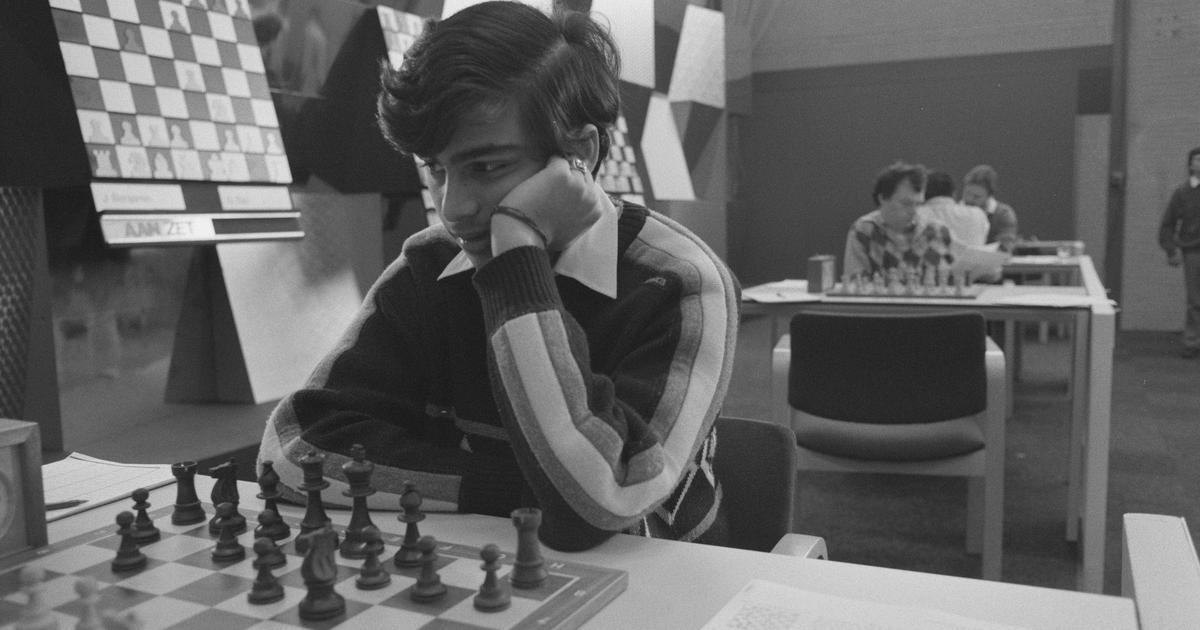
That didn’t mean that I was any less into chess than I was in Madras. The amazing thing that was happening in the Philippines was that a chess boom was going on, and I was lucky to be bang in the middle of it. The country was home to Asia’s first GM, Eugenio Torre, and my mother was determined to do whatever she could to encourage my ability and interest in chess.
In her typical way, she persisted in finding ways for my game to improve. One of them was to find the best people to help me – and I mean THE BEST: the Grandmaster himself! She picked up the fat telephone directory (or phonebook, as it was called there) and began to look up every single “Torre” in the country until her search was narrowed down to the most likely Torre. She circled this one.
Would you believe that when she called that number, it turned out that while she’d found the right Torre family, she had got hold of the wrong brother! Fortunately, this sibling of Eugenio Torre was a chess coach and was kind enough to suggest a good chess club for me to go to. Though I ended up not attending chess lessons in Manila, I participated regularly in the weekend tournaments at a nearby club.
Our main mode of commuting in Manila was the brightly painted Jeepneys. They were United States Army jeeps, earlier used for transporting soldiers, that had been abandoned by the troops after World War II, a long-drawn-out conflict that involved many countries. The Jeepneys, with their own iconic art and look, carry 20–25 passengers each. My mother and I would take them to and from the club, and a good game meant that I would be treated to a bucket of ice cream with tiny chunks of jelly and nuts in it at the parlour right next to our house. For sure, that was what I looked forward to the most after a win!
In the beginning, a trainer was hired to help me with my game. He ran me through bishop endings – these happen when each side in a chess game has a single bishop on opposite-coloured squares, and no other pieces except pawns and kings. These endings are known for being difficult to win and often result in a draw. However, some factors can make one bishop stronger than the other, which can lead to a win. It soon became clear that I already knew much of what he was trying to teach me, and the sessions were called off.
The unusual thing that happened was that while I was away at school, during the afternoons, my mother would watch an hour-long chess show on television called Chess Today, which analysed the games of leading players. At the end of each episode, the show’s presenter would leave the viewers with a chess position to solve, answers to which had to be sent via post. The winners were mailed a chess book as a prize.
My mother – so dedicated was she to my cause – would carefully note down every position explained during the show, often even painstakingly writing down all the moves for me to look at and study later. After I was home from school, Amma and I would work on the puzzle together, solve it and post the answer. I began winning so often that the organisers of the show were at their wits’ end. They asked me to visit their library and help myself to as many books as I wanted, on the condition that I wouldn’t send in any more answers!
It was not just chess that my mother gave me company in. She learnt swimming too, so that she could be with me in the pool at our home in Manila and became something of a lifeguard as I splashed around. She loved me no end and always wanted me to be happy! Once, when I told her about the surprised looks my classmates exchanged upon seeing her pick me up from school in a saree, she bought herself Western clothes so she could wear them when she went about with me in the Philippines.
The year and a half passed quickly, and we prepared to go back home to Madras. But that was not the last time I was in the Philippines. I was going to circle back to this country, and to that very championship hall I had visited, and the importance of that venue was going to hit me smack in my pleased-as-punch face. Because, coincidentally, that’s where I would win my World Junior Championship title, nine years later.
Yet a lot was to happen…before that happened.
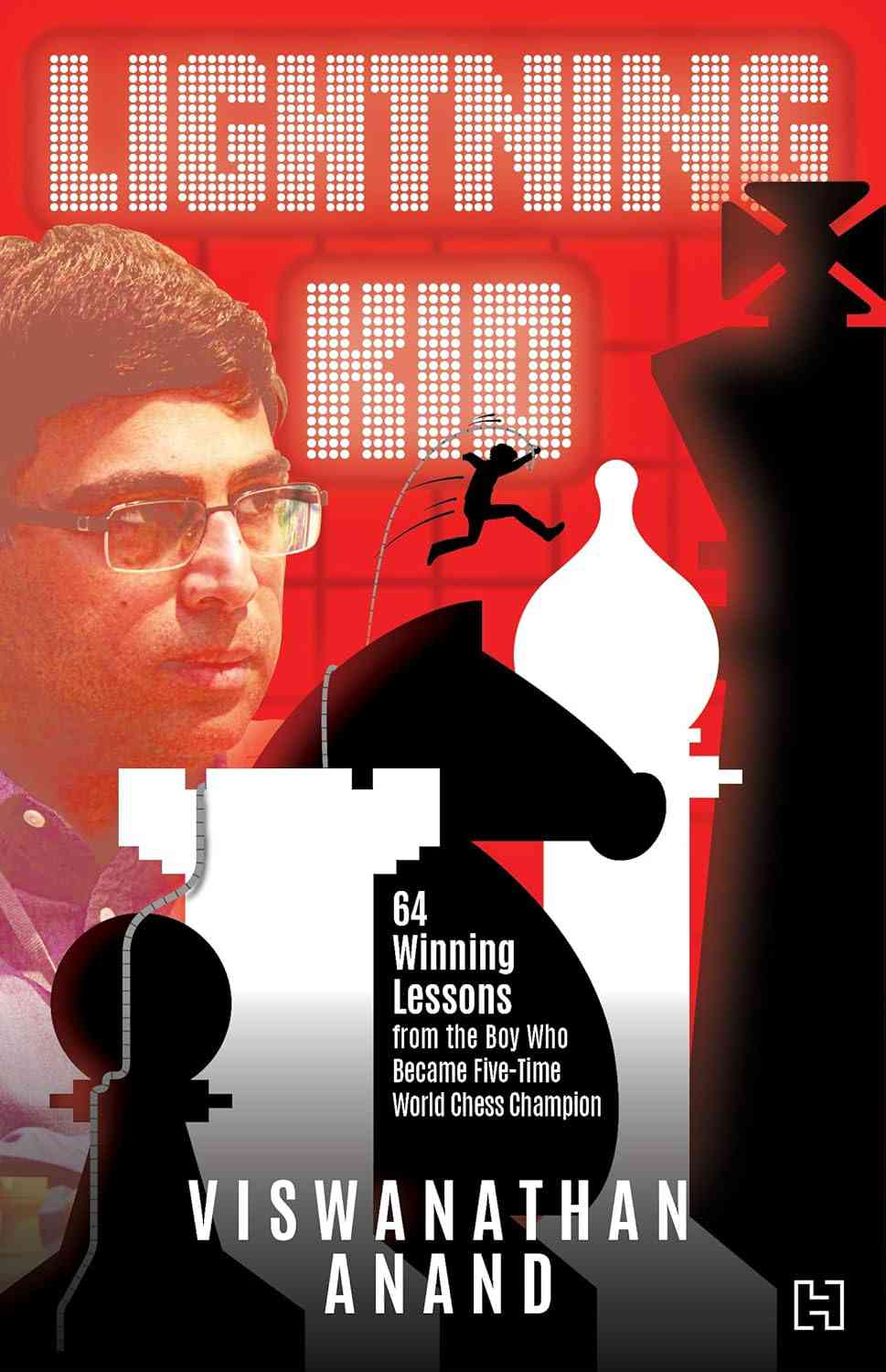
Excerpted with permission from Lightning Kid: 64 Winning Lessons from the Boy Who Became Five-Time World Chess Champion, Viswanathan Anand, Hachette India.
