











The darkest hour is usually just before dawn. As Kavita, Desh Bandhu Gupta’s daughter, met with the lawyers representing the banks to which Lupin owed money, she put on a brave front, assuring them, “We’ll have the money out to you soon.” Many of the bankers were openly derisive. She was confused about responses from a nationalised banking system; her finance professors at Harvard had told her the best response to a financial crisis was complete transparency.
But her detailed narration of Lupin’s real problems to a senior official at IDBI was interrupted by “We don’t need to know your problems. Solve them without telling us the details because if you don’t, we will need to react.” IDBI’s strategy was wilful ignorance.
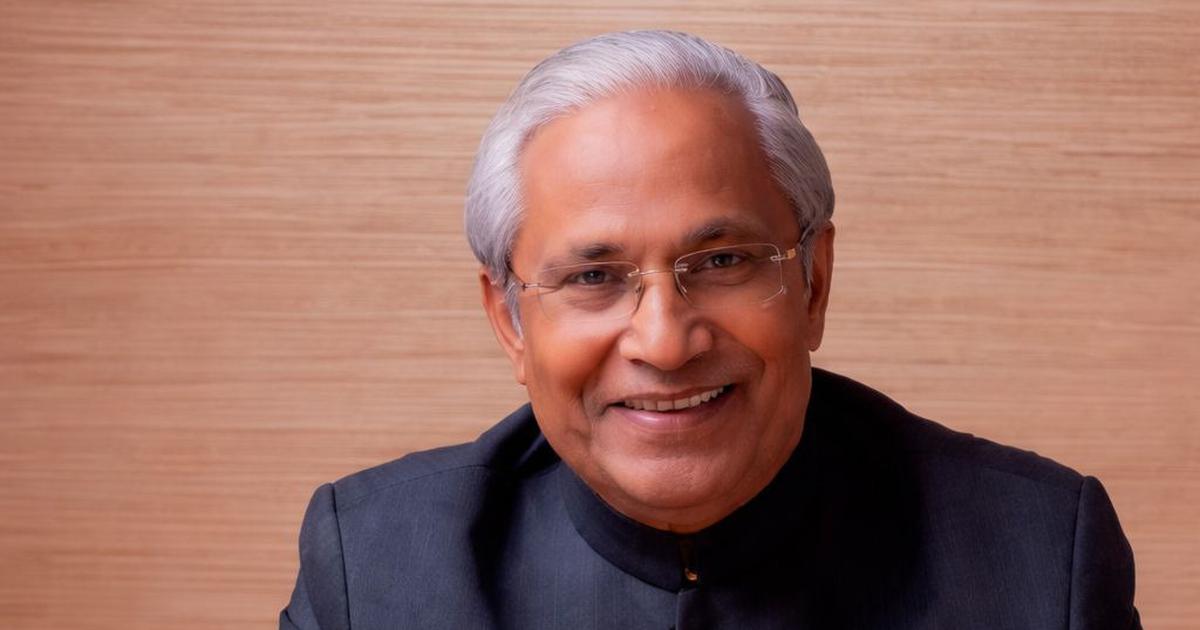
Worries about DBG made the family’s challenges more complicated. His personality seemed altered, and his superpower of optimism was missing. Gone were the 50-guest dinners at home as he slowly withdrew into a shell. Physically, he seemed weaker. While an afternoon nap or meditation would have recharged him earlier, he now seemed overcome with constant melancholy and indecision. He would go through long bouts of silence and meditate for hours behind closed doors. The entire family felt the strain of watching the man who had built everything now take responsibility for the company’s dire straits. He could have blamed others whose advice he had followed, but he had signed off on all the decisions and took responsibility for them.
Thinking about Lupin’s challenges, Kavita recognised one of her Harvard professors’ framing of the difference between a puzzle and a mystery. Puzzles have many pieces but can be solved; they have definitive answers. A mystery offers no such comfort; it has no answer because everything is contingent, dependent on the future interplay of many factors, both known and unknown. A mystery attempts to define ambiguities. Starting her MBA after many years of the rough and tumble of being a practitioner under fire was an advantage; she had the mental tools and frame to recognise Lupin’s challenges as both a puzzle and a mystery. Based on this intuition, a five-pronged revival strategy began to take shape: rebooting the talent bench, selling real estate, divesting subsidiaries, implementing a business turnaround and merging the two listed companies.
The constant presence of Kavita, Vinita and Nilesh, his three children involved with the business, reassured lenders, who sensed that the family had no intention of abandoning the company, unlike the hired professionals who could and did quit. Kavita was the face of Lupin’s finance; she did not avoid meetings with angry lenders, began daily brainstorming calls with Vinita and Nilesh, and slowly acted on advice from well-wishers like Vallabh Bhansali of Enam, KV Kamath of ICICI and Hemendra Kothari of DSP, who believed Lupin’s problems were challenging but solvable. Her underlying hope was that investors would be willing to provide the company with fresh equity and debt as the business restructuring unfolded. However, a leading investment banker was advising investors to wait, saying, “Lupin will sell for a song.” The finance team found a Band-Aid; they launched a public fixed-deposit scheme that paid retail investors three percentage points more than banks. Despite the company’s troubles, the scheme performed well, with nearly Rs 100 crore in deposits received from 100,000 investors.
Dealing with the divestment of the real estate investment portfolio proved to be more painful and tricky. To climb out of the hole, the immediate task was unwinding the real-estate portfolio. Kavita started making weekly trips to Gurugram and Delhi. The world of real estate was seamy, with most transactions done in cash, and the notorious Mumbai and Haryana underworld was involved at many levels. DBG’s constant instructions from home to refuse to settle for anything less than the price he had set made the blustery, bickering meetings with brokers and builders even more complicated.
The next priority was to exit the Mumbai real-estate partnership. However, all channels of communication with the other side had gone cold. Luckily, an acquaintance, KM Goenka, brought Jasu Shah to the negotiating table. After much discussion, closure terms were settled. Kavita left for Harvard Business School in August 1997, leaving the agreement to be closed with lawyers. Even though the terms were supposed to be settled, the partners continued to raise new issues, and soon the settlement stalled. By January 1998, Kavita had returned from her first term at the business school. She chose to stay in Mumbai to close the agreement. After many months of painful negotiations, the partnership was unwound. As they parted ways, Kavita was seething, but DBG simply told Jasu Joshi, “Tera bhi bhala ho”, wishing her the very best in typical Vipassana fashion.
While these divestments improved liquidity, a more fundamental change in the business was needed to put it back on a growth path. Kavita had given DBG a list of strategic changes, but with many of the old guard resisting, DBG was weighing his options. One night, he walked into her room and said, “Okay, you win, let’s work on your plans, but I need you in Mumbai, and that means not going back to Harvard. I know that’s a big decision, and it must be yours.”
That is all Kavita needed to hear to stay home and not return to Harvard. She would be a Harvard dropout for life. But what especially excited her was that she was free from operations and could concentrate on restructuring finance and human resources.
Change is never easy; the old guard had defended the past and resisted Kavita’s efforts. She pleaded that the company had no choice but to be pragmatic if it wanted to live to fight another day. Rebooting the talent bench became the only viable option, and it began with the unpleasant task of eliminating underperformers. Kamal Sharma, an excellent judge of people who knew the company’s inner workings, summed up the climate as: “The company had deep-rooted politics created by poor performers.” Kavita had no choice. Over the next few months, many members of the old team resigned or were let go. Kavita soon engineered a secondary transaction in Lupin stock, raising over Rs 200 crore from investors such as Morgan Stanley. The money was paid back to Lupin by DBG and used to cut debt and buy the company strategic space for deeper restructuring.
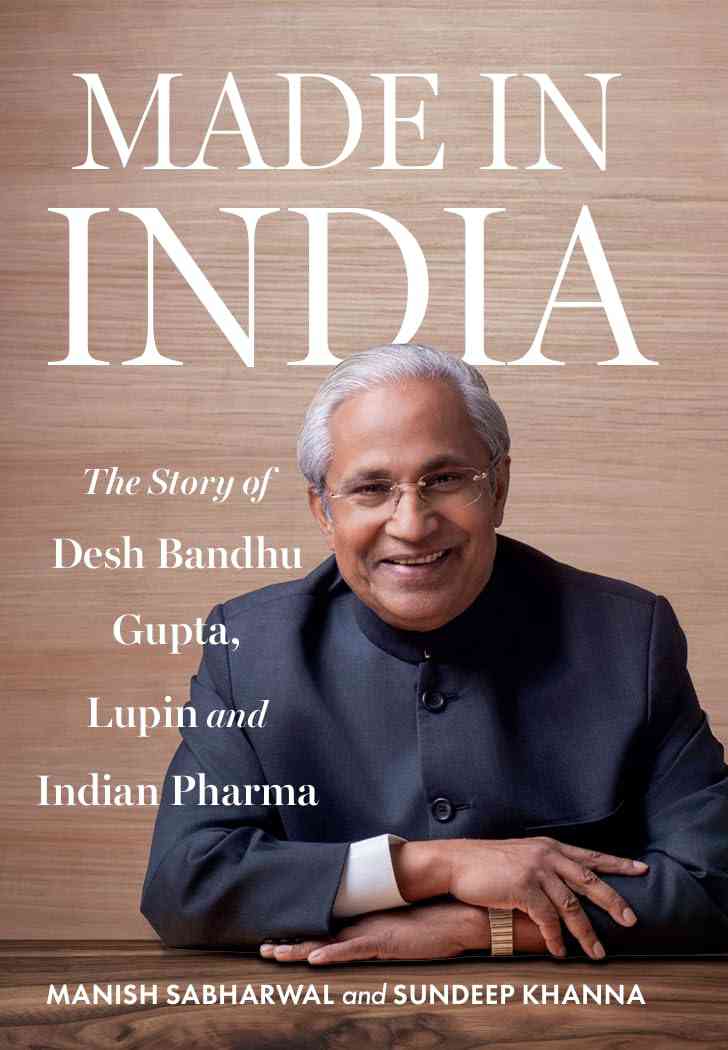
Excerpted with permission from Made in India: The Story of Desh Bandhu Gupta, Lupin and Indian Pharma, Manish Sabharwal and Sundeep Khanna, Juggernaut.
