









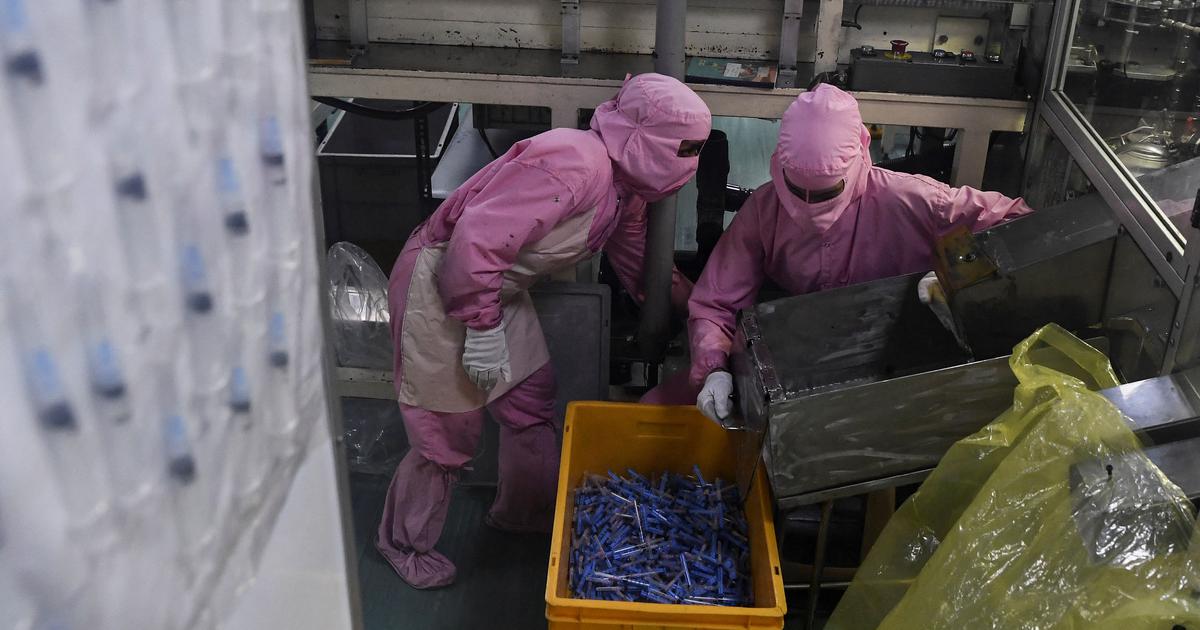
At his factory in Visakhapatnam, Sanjeev Relhan produces surgical gowns and protective gear that doctors and nurses routinely use in hospitals while handling an infectious patient or for a surgery.
Usually, Relhan sells gowns to hospitals for Rs 80 a piece. In the last few days, he has raised the price by 50% to Rs 120.
The manufacturer said he had no other option, as the cost of non-woven fabric has shot up because of the Iran war.
The synthetic fabric, made out of a petroleum-based polymer called polypropylene, is in short supply as petrochemical plants have slashed production because their gas supplies are dwindling.
In Faridabad, a company that sells disposable syringes, catheters, IV cannula and dialysis products to hospitals has also increased prices from 5% to 25%.
A Punjab firm that manufactures dental implants has raised prices as the cost of titanium surges because of the war.
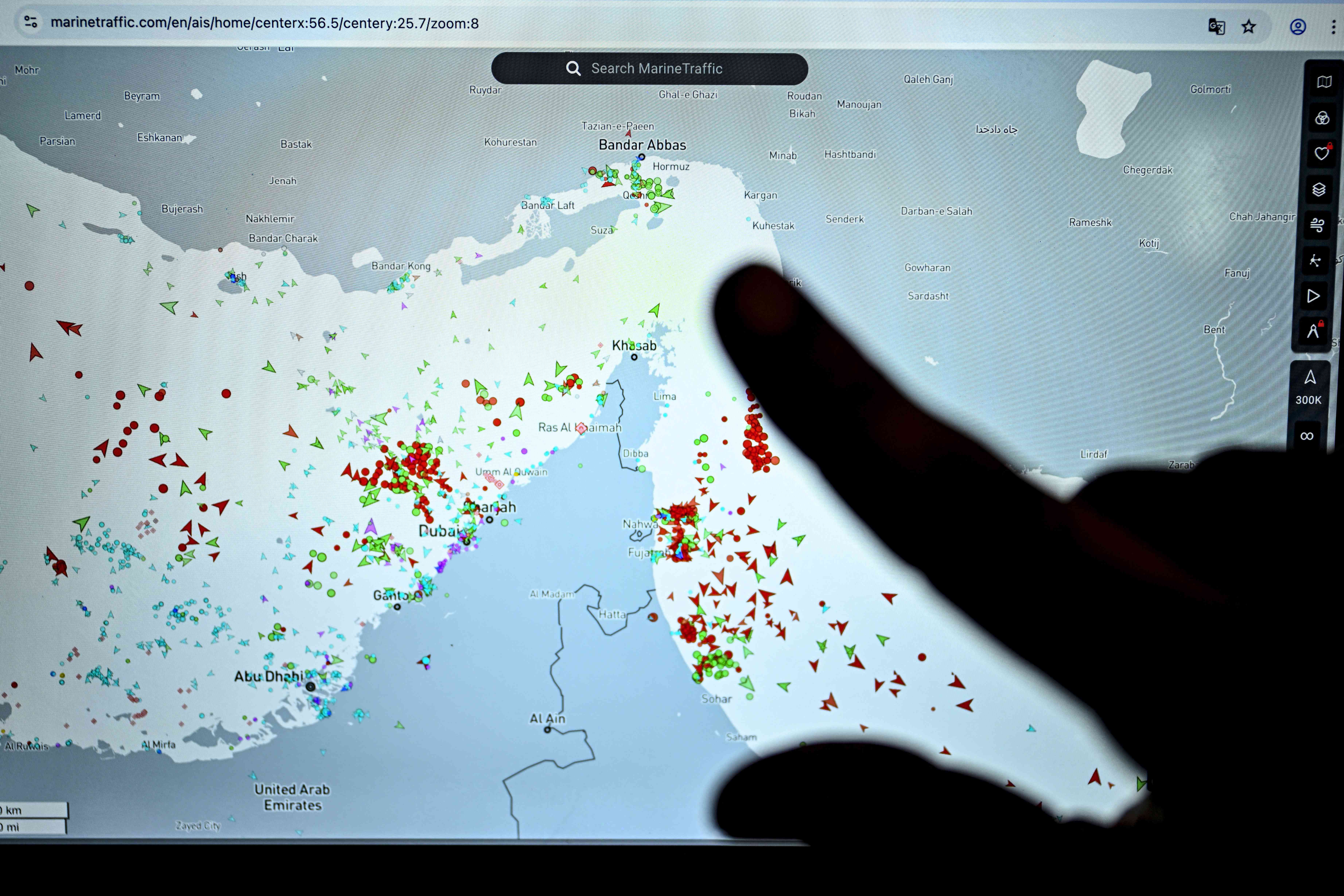
The war on Iran by Israel and the United States of America has already rattled the global supply of crude oil and liquified petroleum gas. Iran’s shutdown of the key shipping route, the Strait of Hormuz, has increased freight costs and made imports costlier.
The cascading effects of the conflict are now rippling out across sectors in India – and might raise costs for hospitals and patients.
Several manufacturers of medical devices have flagged an unprecedented rise in the cost of raw materials, packaging and freight due to the international shipping disruption. The result is a sharp rise in prices of disposable medical devices such as personal protective gear, syringes, cannula, catheters, dialysis kits, IV bags, and products made of medical-grade plastics.
In the coming weeks, if the bottlenecks continue, the price escalation is going to trickle down, bumping up hospital fees and cost of treatment for patients, industry experts told Scroll. And if the war drags on for a year, even MRI machines might struggle to work.
A polymer crunch
In early March, days after US-Israel’s attack on Iran, the central government curtailed the supply of gas to petrochemical industries as it prioritised the domestic market and cooking fuel availability.
Within weeks, the effects were felt by Relhan’s firm, Shalex Meditech, in Visakhapatnam.
The petrochemical companies from which he sourced synthetic fabric cut down on production.
“Last week, all my big suppliers told me that they have stopped full-fledged production of non-woven fabric,” Relhan said. The cost of the fabric, he added, has risen from Rs 150 to Rs 215 per kg due to the high demand and limited supply. As a result, Relhan is selling gowns at a higher price to hospitals.
India produces approximately 50 lakh pieces of surgical gowns and protective gear per month, Relhan said. The cost of these disposables is set to rise if the conflict continues for a few more months.
Like Relhan, Faridabad-based Bio-Med HealthCare is struggling to continue production of syringes and other disposable devices.
The firm uses a medical grade of polypropylene, which is biocompatible, inexpensive, and can be sterilized using heat. It is used in a wide range of products like syringes, IV bags, catheters, surgical trays, test tubes, inhalers, nebulisers, surgical sutures, and orthopaedic implants.
“The raw material cost has risen by 40% to 60%,” said Deepak Arora, the owner of Biomed. The refineries and petrochemical units he sourced the polymer from have redirected gas to produce cooking fuels and compressed natural gas or CNG, he said. “There has been a drastic reduction in our production in the last 20 days.”
He said that the cost of the finished goods has gone up by 25 % to 28%. “Since this is an essential commodity, we have raised prices only by 5%,” Arora said.
Himanshu Baid, managing director at Poly Medicure, which makes a wide range of medical devices, said the rise in cost of plastic raw material has begun to pinch manufacturers. “Many companies in the small and medium sector may shut down soon as they cannot pass on these increased costs to consumers,” he said.
Experts said hospitals may also look at curtailing cost and may switch to reusable syringes made out of borosilicate glass and stainless steel to contain costs.
Grit your teeth
India also relies on titanium imports to manufacture implants or directly imports ready-made implants. Titanium implants are used in dentistry and orthopedics to replace teeth or bones since they are biocompatible and bond well with human bone.
India imports titanium from Germany, United States, Switzerland, Korea and Israel but the blockade of Strait of Hormuz has affected supplies. The fall in the Indian rupee has also led to a surge in titanium prices.
The impact is already visible.
Jagmeet Bahri, the vice president of Pivot Implants, the Punjab firm that manufactures dental implants, imports titanium from Switzerland. While he has a stock of three months, he said he was forced to increase prices due to the fall in Indian currency. So, he is selling implants to dental clinics at Rs 12,500, up from Rs 10,000, three weeks ago.
“If the shipping blockade continues, I will have to import from Korea, but its titanium quality is not as good,” he said. “Doctors will also have to increase their costs.”
On Monday, the Association of Indian Medical Device Industry, or AIMED, wrote to the ministries of finance and commerce to take urgent remedial steps to help the medical device sector.
Rajiv Nath, forum coordinator for the association, told Scroll that they have requested for a three-month custom duty rebate on raw materials and component imports.
“The medical device input costs have risen by nearly 50% for critical plastics and over 20% for packaging,” Nath said. “Manufacturers operating on thin margins on products like nitrile gloves, syringes, catheters, disposable plastic medical devices have to either operate at loss or increase their cost,” his letter added.
Nath told Scroll that manufacturers can deal with shipment delays of one to three weeks through their buffer stock but “prolonged disruption may lead to production halts, hospital shortages, and inflated costs”.
Nath is also the managing director at Hindustan Syringes and Medical devices Ltd. a firm in Delhi that manufactures single-use syringes. In the last few days, his phone has been flooded with messages from suppliers who have increased the cost of high-density polyethylene and low density polyethylene – the raw material used to make syringes.
The prices are rising each day. On March 1, the prices of high-density polyethylene rose by Rs 2,500 per metric ton. By March 3, it was up by Rs 6,000 per metric ton. In the last fortnight alone, the prices have risen by Rs 24,000 per metric ton.
For MRIs, a helium question
Another possible disruption, if the conflict extends beyond a year, is of MRI machines.
The magnets in several MRI machines are regularly bathed in liquid helium to sustain their superconductivity and to cool them down.
India imports a large quantity of liquid helium, a byproduct of natural gas, from Qatar and the USA. In early March, Qatar announced a halt in production facilities of energy supplies, including helium, due to the ongoing conflict.
The shortage of helium that followed has led to soaring prices, from Rs 1,200 a litre to Rs 1,800-Rs 2,200 a litre, said Raju Kumar Sitaram Jaiswal, a supplier of the gas from Maharashtra’s Tarapur.
Jaiswal imported 60% of helium from Qatar and 40% from Russia. He has now completely moved to Russian suppliers. “Like me, several Indian importers have been put on a waitlist. Helium prices have shot up and the waiting period is 40 days.”
To deal with the shortage, he said, he has restricted supply. “If a hospital demands 1,000 litres, we are able to supply 500 litres.”
But the shortage is not widespread. Suppliers who rely on domestic producers of liquid helium have not been affected.
Vishal Shah, a vendor in Mumbai who supplies liquid helium to many MRI centres, said he has not been affected as his suppliers are from India.
For now, the prices of MRI scans have not increased. MRI machines, too, are at no risk of running out of helium.
An MRI machine can store 1,200 to 2,000 litres of helium, which can last for two to four years. Many diagnostics centres have enough buffer stock to tide them through the conflict before they feel the pinch, industry insiders said.
While the impact of price rise will be immediate for hospitals and clinics, diagnostic laboratories may face this later.
Veena Kohli, the chief executive officer of New Delhi-based Vanguard Diagnostics, said the war has not affected the cost of laboratory diagnostic equipment, reagents and devices to test human blood, undertake cancer tests, and urine diagnosis. Manufacturers have inventories, she said, and will be able to cushion the impact of price rise temporarily on the diagnostic industry.
“But if it goes on for longer, six months or more, then the real impact will be seen,” she said.
