










Research on the longevity genetics in Indians has illuminated unique pathways and variants associated with long-lived individuals (LLIs), defined as those aged 85 and above. GenomegaDB is a comprehensive genetic database specifically developed to map the genetic diversity of the Indian population. It addresses the underrepresentation of Indian genomes in global genetic studies and provides a critical resource for understanding population-specific health traits, including ageing and longevity. By comparing the genomes of LLIs with younger controls, the study uncovered genetic markers that influence healthspan and ageing trajectories tailored to the Indian context.
Key findings
Unique Genetic Variants:
Variants associated with decreased risk of osteoporosis (ESR1), slower heart rate (MYH6) and reduced anxiety (HSPA5) were more frequent in LLIs. These traits are linked to better cardiac, skeletal and mental health, contributing to extended lifespan.
Conversely, variants tied to atrial fibrillation (GORAB-PRRX1) and schizophrenia (RIMS1- KCNQ5) were less frequent in LLIs, suggesting that avoiding these risk factors plays a protective role in longevity.
Variants linked to shorter stature were also more common in LLIs, aligning with findings that reduced growth hormone and IGF-1 activity, lower caloric needs and potentially better cardiovascular health – often associated with shorter stature – may be linked to longer lifespan.
FOXO3A and APOE Genes:
The FOXO3A gene, consistently associated with longevity in other populations, showed a significant presence of the longevity-associated G allele in Indian LLIs.
Variants in the APOE gene, known for their impact on lipid metabolism and cognitive health, were also present but with varying frequencies compared to other populations.
Pathway Enrichment:
Genes associated with oxidative stress, DNA damage repair, apoptosis, glucose metabolism and energy homeostasis were identified as critical to longevity. These findings highlight the interplay between metabolic health and ageing in the Indian population.
Population-Specific Insights:
The study underscored the unique genetic architecture of the Indian population shaped by local environmental exposures, dietary habits and socioeconomic factors. Allele frequencies (one of two or more versions of DNA sequence at a given genomic location) differed significantly from those in European and East Asian populations, emphasising the need for population-specific research in longevity science.
Genetic make-up provides the foundation for longevity, but environmental and lifestyle factors play a critical role in shaping outcomes. However, the effectiveness of these interventions depends on individual genetic backgrounds, highlighting the intricate relationship between our genes and external factors. Researchers examined nearly 1000 genetically diverse mice under different dietary regimens, including intermittent fasting and caloric restriction. Their findings indicated that while diet significantly influenced lifespan, genetics played an even greater role in determining longevity. This interplay opens a window into epigenetics where gene expression is modulated by environmental and lifestyle influences, suggesting a flexible interface between genes and lifestyle.
Epigenetics serves as the bridge between our genetic blueprint and the environment, providing a dynamic framework that adjusts how our genes are expressed without altering the underlying DNA sequence. A useful analogy is that DNA is like a set of instructions for gene expression, and epigenetic mechanisms are the “dimmer switches” that control which genes are turned on, how strongly and when. This biological flexibility allows our cells to adapt to changes in the environment, lifestyle and the ageing trajectory. At the core of epigenetics are three main mechanisms:
DNA methylation: The addition of chemical tags (methyl groups) to DNA that typically silence gene expression.
Histone modifications: Changes to proteins called histones, which DNA wraps around, influencing how accessible the DNA is for gene activation.
Non-coding RNAs: Small RNA molecules that regulate gene expression by interacting with other genetic or epigenetic components.
While epigenetic clocks, such as the Horvath Clock can act as powerful tools to measure biological ageing, their real potential lies in their application to ageing research and intervention development. These clocks provide a window into how our lifestyle and environment influence the ageing process at the cellular level. Research studies have already indicated that regular exercise, dietary improvements and stress reduction are associated with slower epigenetic ageing. Clocks are also used in clinical trials to evaluate the effectiveness of anti-ageing interventions, allowing for measurable outcomes tied directly to biological changes. While these clocks are powerful tools for estimating overall biological age, recent advancements have taken this concept further with the development of organ-specific epigenetic clocks, opening new frontiers in ageing research and healthspan interventions. As we reviewed briefly in chapter one, research from Stanford and other institutions indicates that different tissues and organs age at varying rates, influenced by both whole-body and local factors. Organ-specific epigenetic clocks measure the biological age of specific tissues:
Heart ageing: Clocks for cardiovascular tissues can predict the onset of heart disease, helping identify individuals at risk for conditions like atherosclerosis.
Brain ageing: Neurological clocks are being used to study cognitive decline and neurodegenerative diseases, such as Alzheimer’s disease, by measuring epigenetic changes in brain cells.
Liver Ageing: Clocks for the liver are shedding light on metabolic ageing and the progression of diseases like fatty liver disease and diabetes.
By identifying which organs are ageing faster, personalised therapies can target these areas with specific lifestyle changes, pharmaceuticals or regenerative treatments. For example, aerobic exercise has been shown to slow epigenetic ageing in cardiac tissues, while certain dietary interventions may benefit liver health. By combining traditional whole-body clocks with organ-specific insights, researchers and clinicians could adopt a more nuanced approach to managing ageing and optimising healthspan. Such innovations enable us to address ageing not as a singular process but as a mosaic of changes occurring across the body.
At the epigenetic level, one of the core mechanisms – DNA methylation – becomes increasingly disorganised with age. Certain regions of the genome may lose methylation, activating genes that promote inflammation or tumour growth, while others gain methylation, silencing genes critical for cellular repair and immune function. This progressive dysregulation, known as epigenetic drift, occurs without changing the DNA itself, and these changes are strongly associated with the onset of age-related diseases, making them a key driver of biological ageing. Epigenetic drift is not merely a product of time – it is profoundly shaped by external factors, pollution and toxins, diet and lifestyle and health disparities. The environment is not just a backdrop – it is a co-author of the biological and healthspan story. This is the premise of the exposome – the sum of all environmental and lifestyle exposures – and how they influence ageing and determine the trajectory of our healthspan.
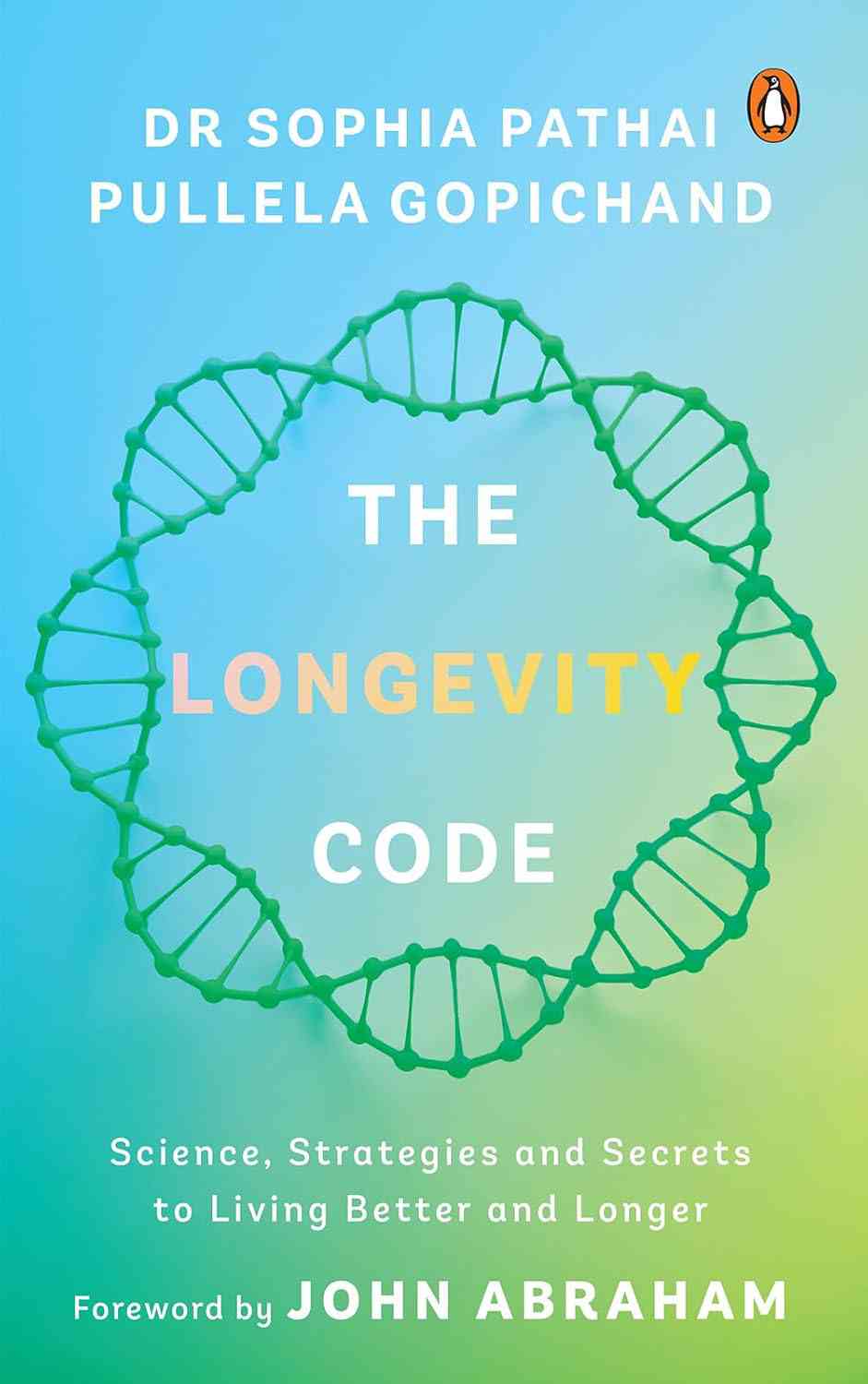
Excerpted with permission from The Longevity Code: Science, Strategies And Secrets To Living Better and Longer, Sophia Pathai and Pullela Gopichand, Penguin Random House India.
