





Translations, to me, have always been one of the most interesting curations in literature. They allow stories to travel across regions and languages and make it possible for readers like me to enter worlds that are not originally our own. At their best, translations feel effortless; I know the distance the text has travelled, but I am not distracted by it. Reading CS Chellappa’s Vaadivaasal, translated from the Tamil by N Kalyan Raman, in English feels like stepping into a new world of jallikattu, a centuries-old traditional bull-taming sport I knew nothing about before reading the novella.
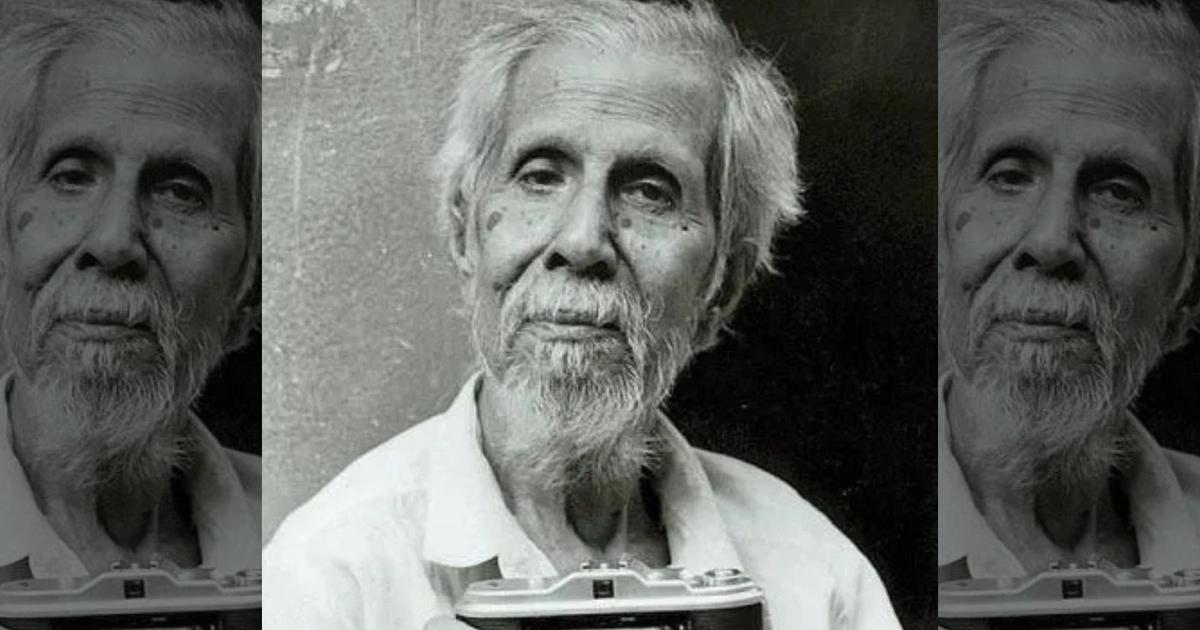
First published in Tamil in 1949, it is considered to be a modern literary classic in Tamil. It was remarkable for the time for two primary reasons – one, it focused on the lives of the subaltern classes, and two, for the first time jallikattu was written about in modern Tamil literature.
Bull and man
Picchi, a young man, has come to the arena with a very specific goal. Years earlier, his father had been killed during a jallikattu contest by a famous and feared bull called Kaari. Since then, the memory of that incident has shaped Picchi’s sense of pride and responsibility. When he arrives at the festival, he is not just hoping to prove his bravery; he is there to face the same bull that killed his father. The arena, crowded with spectators, becomes a space where reputation and courage are closely judged by the community. As bulls are released one by one through the vaadivaasal, the tension builds among the crowd, the competitors waiting to tame them. When Kaari finally appears, Picchi’s confrontation with the animal becomes the emotional centre of the story, bringing together revenge, honour, and the pressure of living up to a father’s legacy.
Chellappa’s writing stays with you because of its economy and intensity. The novella does not rely on long descriptions or digressions; instead, it builds suspense through brief yet vivid scenes that capture the mood of the arena. The reader feels the anticipation of the crowd, the murmurs of speculation, and the sudden bursts of excitement whenever a bull emerges from the gate. Chellappa’s prose reflects the rhythms of oral storytelling, where the voice of the community becomes the key to the narrative.
Translation and preservation
The introduction of the book by PA Krishnan talks about how Vaadivaasal is a novella that is notoriously hard to translate. It has idioms, technical terms, and phrases that even dictionaries and lexicons don’t define. Yet, as I read the novel, I did not feel a sense of losing out on any of the authenticity that comes with books written in a different language. The translation’s ability to capture the crowd’s energy and the cadence of spoken Tamil into English is among its best features. The dialogues feel immediate, echoing the voices of villagers gathered around the arena. Rather than overstating cultural elements, Raman trusts the narrative to convey meaning through context, allowing the unfamiliar to remain vivid rather than diluted. The result is a text that feels authentic rather than domesticated.
Something I think Raman did well was translating the cultural weight of jallikattu itself. For readers, like me, who are unfamiliar with the tradition, the event could easily be misunderstood as a simple bull-taming contest. Raman, however, takes great care to preserve the narrative context that highlights its deeper significance in Tamil society. The translation through preservation encourages readers to interact with the practice as a living cultural tradition rather than a spectacle (whether local or of the past) by maintaining this cultural terminology and, hence, the social dynamics surrounding the event.
In the end, Vaadivaasal is an important read, not only because it tells a gripping story, but also because it brings a local tradition to life on the page. Chellappa’s story perfectly captures the tension and excitement of the arena, and Raman’s translation retains its thrumming energy in English.
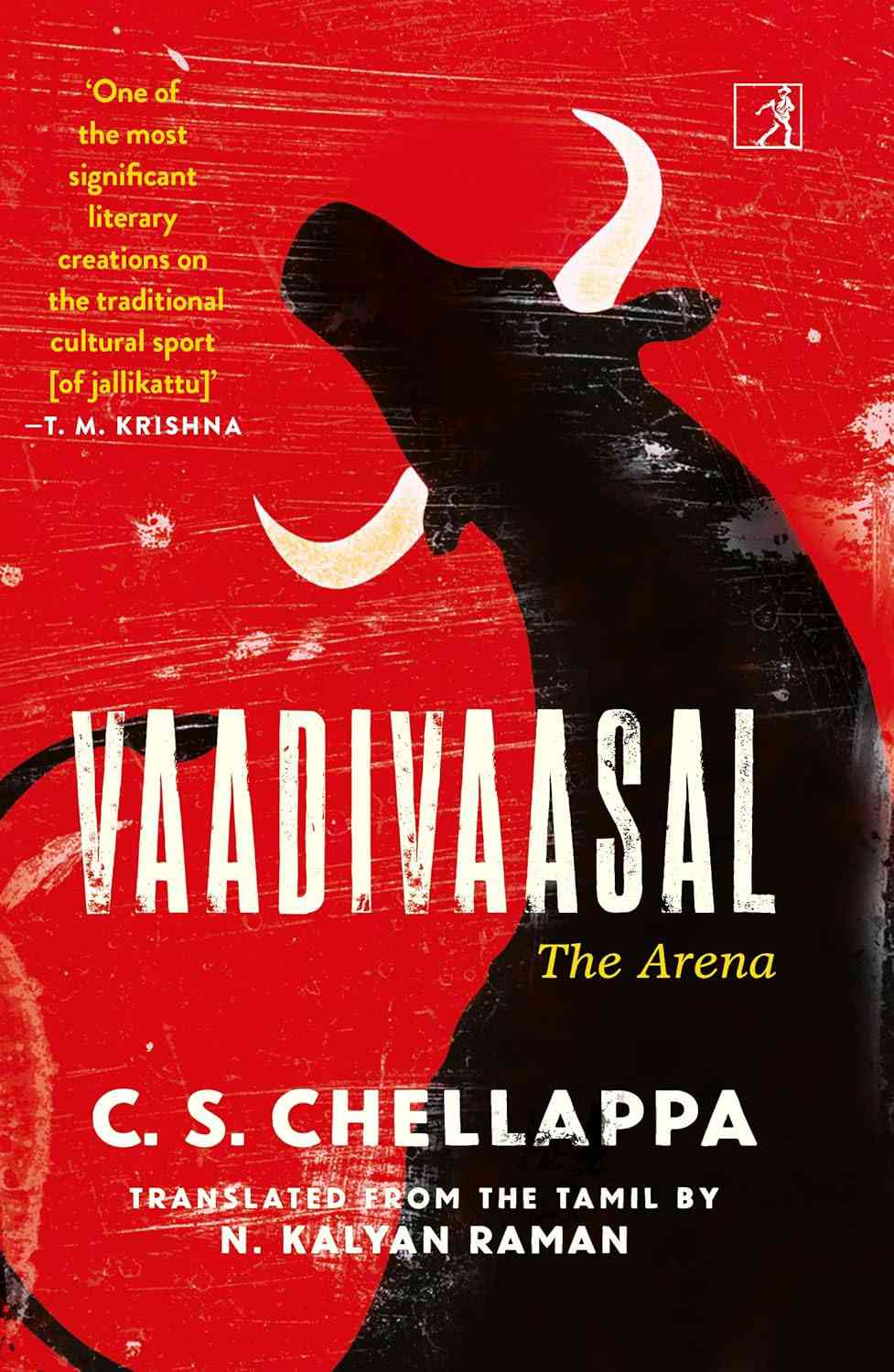
Vaadivaasal, CS Chellappa, translated from the Tamil by N Kalyan Raman, Simon and Schuster India.
