






“How bad is it? Will we survive it?” asked Vikas Parekh, who represented Softbank on Grofers’s board.
He was asking the question on WhatsApp after I had sent him a picture of our largest warehouse in the country, in flames. A 2,00,000-square-foot building with products worth Rs 30 crores inside it had gone up in flames within hours. Thankfully, no lives were lost, but everything else was gone – the facility, the products, the machinery, the racks and the servers. When a 20-year-old garbage truck parked outside our Kundli warehouse had blown its faulty engine, the resultant flames had quickly caught on to its contents of discarded cardboard, eventually spreading to the inside of the warehouse. The fire had taken only two hours to fully engulf and finish off the biggest ever investment in our supply chain, till then. That cold morning in November 2020, I had relayed the information to our board members.
At the time, it felt like a real body blow. After a long time, we had been feeling like we were getting somewhere and were in a position to control our destiny. Then that feeling of control literally went up in smoke.
When COVID-19 engulfed the world and brought supply chains to a halt, we had been hit too. For weeks, we struggled to get our operations back on and even after we did, we had to contend with the fact that some of our decisions over the past year had left us with less money in the bank than we would have wanted. We got the time to set our house in order, and all of a sudden, the entire world had stopped working.
The surge in orders meant that all the fixed assets we had were now getting utilised, allowing us to focus only on problem-solving rather than worrying too much about getting to profitability. We had taken hard decisions in line with every other business at the beginning of the pandemic and outside of letting any of our people go, we had cut costs dramatically, including giving up office spaces, stopping marketing and even asking our team members to forego salaries in return for higher ESOPs so we could deal with the sudden uncertainty.
As supply chains had gone down early in the year, we had realised a big vulnerability in our networks – its dependence on small pools of workers near our warehouses. With migrant workers leaving for their homes in any possible way, including on foot, we were suddenly left with a huge demand but no way for our warehouses to fulfil them. This was when we realised that we needed to build resilience into our systems so that we were able to access a larger pool of workers. We did not want to be stuck in a situation where the disappearance of the limited number of available workers brought our warehouses to a standstill.
The fact was that in our quest to build an accessible model of selling groceries to customers, we had adopted a model that was unpredictable. We had lost almost 80% of the workers in the warehouse: they had either left for home or were not allowed to leave their villages for fear that they would bring back the COVID-19 virus to the village. While we had come up against resource constraints over the previous three years of delivering to customers, we had never completely shut down. This was the most extreme disruption we had seen in our supply chain, and it laid bare the fundamental flaws in how we had built it.
This disruption forced us to rethink the way we were trying to address the problem we had identified for customers.
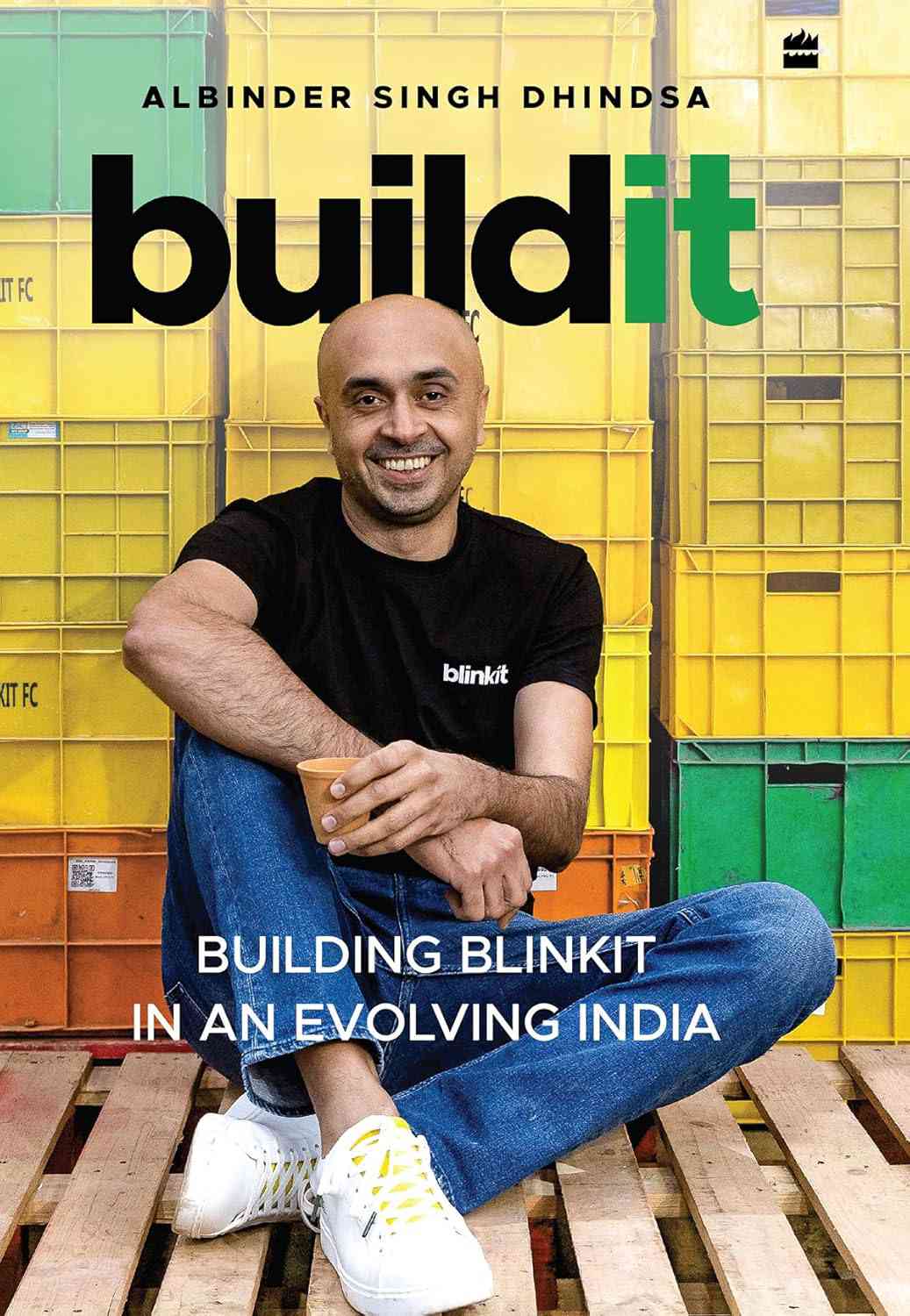
Excerpted with permission from Buildit: Building Blinkit in an Evolving India, Albinder Singh Dhindsa, HarperCollins India.
