









Does eating rice cause weight gain?
The idea that eating rice causes weight gain is a common misconception. Both rice and wheat chapati are sources of carbohydrates. On its own, neither roti nor rice causes weight gain – unless you are eating copious amounts of it, and are loading it with fat. In reality, gaining or losing weight depends on the overall calorie balance – how many calories are consumed versus how many are expended throughout the day.
The real issue with rice is its portion size
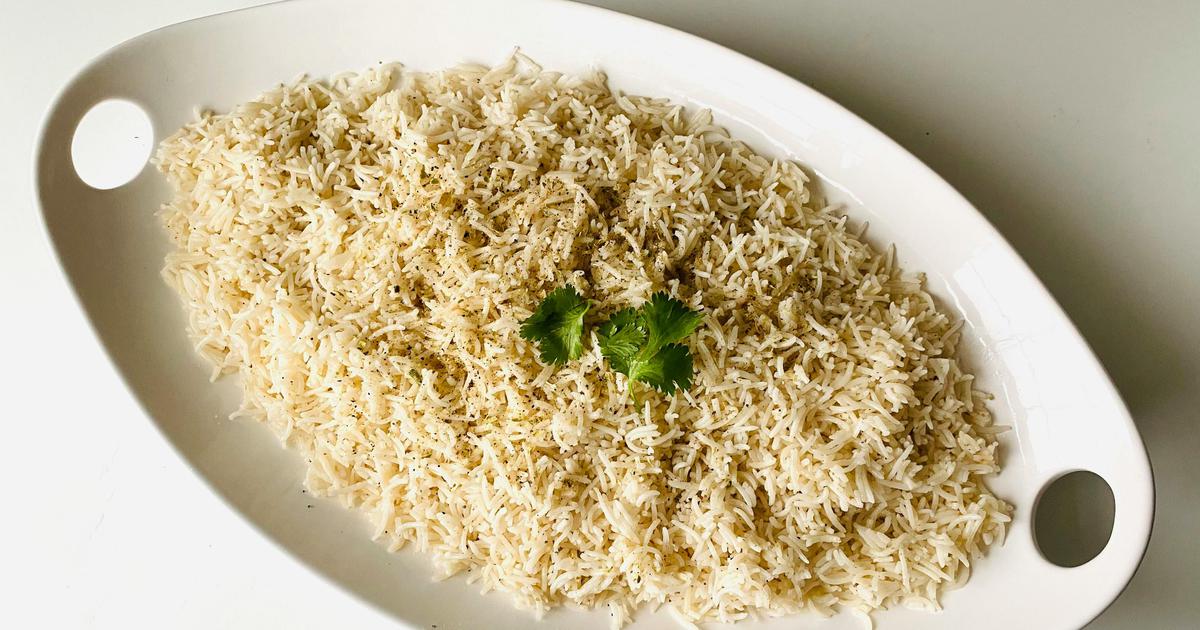
No one eats just one or two spoonfuls of rice; typically, a whole bowl of rice is consumed. Eating large portions of rice increases our overall calorie intake.
Additionally, rice is often eaten with pickles, ghee, chips, papads and other accompaniments, which further increase the total calorie count.
A lot of people stop eating “rice” to lose weight, and some might even come back and tell you that they lost 2–3 kilograms simply by quitting rice. But the fact is that when they stop eating rice, they are cutting out significant calories, as they were not tracking the amount of rice they would take, plus the additional ghee, papad and pickle with it. When people stop eating rice to lose weight, they are actually reducing their total calorie intake, which leads to weight loss.
So, rice is not the culprit; it’s the excessive portion sizes and the additional calories from accompaniments that contribute to weight gain.
White rice vs. brown rice: do the same science and concepts apply to both?
The main difference between brown rice and white rice lies in their husk. Just as we eat apples with their skin or without, brown rice contains the husk and the germ, while white rice has these removed. This makes white rice lower in fibre, but gives it a longer shelf life.
Polishing rice increases its shelf life and helps it reach a larger market. However, the fibre difference between brown and white rice is not significant – only about 1 gram. To make up for this difference, you can include extra vegetables or salads in your diet.
Many people believe that eating brown rice helps with weight loss or is better for diabetes, but in reality, if you consume more calories, you will gain weight and your blood glucose levels will increase, irrespective of whether it is brown or white rice! There is no significant difference between their respective glycemic indices either.
So, if you prefer brown rice, feel free to eat it, but in moderation! Just because it’s considered healthier doesn’t mean you should eat it in unlimited quantities, as portion control is most important.
Should people with diabetes avoid rice?
Diabetes management is all about keeping blood glucose levels stable.
White rice has a high glycemic index (70–90), which means it digests quickly and causes a rapid spike in blood sugar. Due to the low fibre content, rice behaves like a simple starch. Excessive consumption of rice leads to a higher glycemic load, meaning the sugar levels in the blood may rise significantly.
Hence, people with diabetes are advised to consume white rice in limited quantities. Another thing to remember is that if you have white rice, always eat it with lean protein and loads of vegetables. Remember how the fibre in the veggies works on the simple starch in the rice?
What to keep in mind while eating rice if you have diabetes, insulin resistance or pre-diabetes
Portion Control: Eating rice in smaller portions helps reduce its impact on blood sugar levels.
High-Fibre Options: Choose brown rice, unpolished rice, or millets instead of white rice to increase fibre intake, which helps keep blood sugar levels under control. 3. Eat with Protein and Fibre: Pairing rice with lentils, vegetables or other high-fibre foods lowers its glycemic index, helping maintain stable blood sugar levels.
Leftover rice and resistant starch
This is one Instagram trend that I will back for two reasons: there actually is scientific evidence to support this concept AND it makes the life of the person managing everyone’s meals (mostly a woman) easy. There is merit in cooking a large batch of rice, cooling it, storing it in the fridge or freezer, and consuming it in the following days after reheating it. Bring on the egg fried rice, fodnicha bhaat, jeera rice, leftover rice with leftover dal!
What happens to rice when it cools?
In fresh, hot rice, the starch is easily digestible and quickly converts to glucose. However, when rice is cooked, cooled and then reheated, some of the starch converts into “resistant starch”.
This resistant starch is not easily digestible in the digestive system but is beneficial for the good bacteria in the intestines. As a result, the calories from the rice can be reduced up to 50–60%, and hence its glycemic index is also reduced. A word of caution, though, people with diabetes should also understand that whether rice is hot or cold, the main factor that affects blood sugar levels is the quantity of rice (glycemic load) consumed.
The right way to cook rice and its impact on the glycemic index
Pressure cooker vs. absorption method
Cooking rice with the “absorption method” and discarding the starch reduces the starch content. However, only about 2–5 per cent of the starch is removed, so the difference is not significant.
There is no significant difference in the glycemic index between rice cooked in a pressure cooker and using the absorption method.
Does adding vinegar to rice help?
Some people add vinegar to their rice, claiming that it helps slow the blood sugar spike. When food contains acid (such as vinegar or lemon), it slows down digestion a little bit, causing sugar to enter the bloodstream more gradually. This is why the habit of squeezing lemon over dal and rice is beneficial. By the same logic, you can add vinegar to the rice, but remember that adding a teaspoon of vinegar does not mean that your portion of rice can increase. You will still need to portion control the carbs or rice, just that the slower blood glucose spike could be an extra benefit.

Excerpted with permission from What, How Much and How to Eat: Simple and Sustainable, Amita Gadre, Bloomsbury India.
