


All information sourced from publishers.
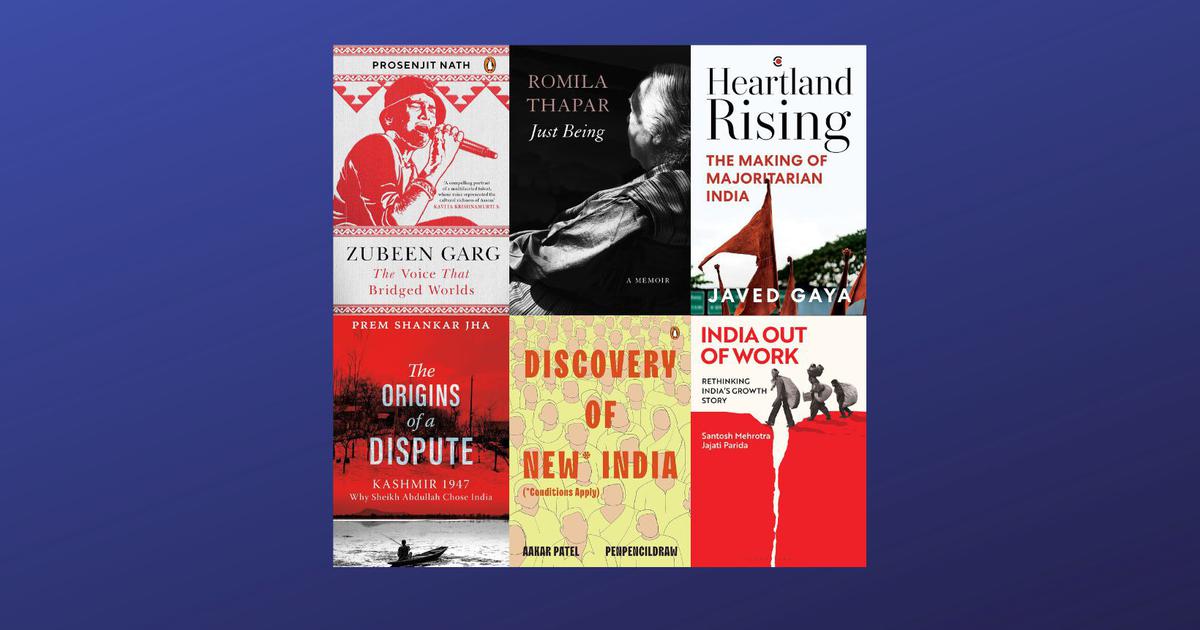
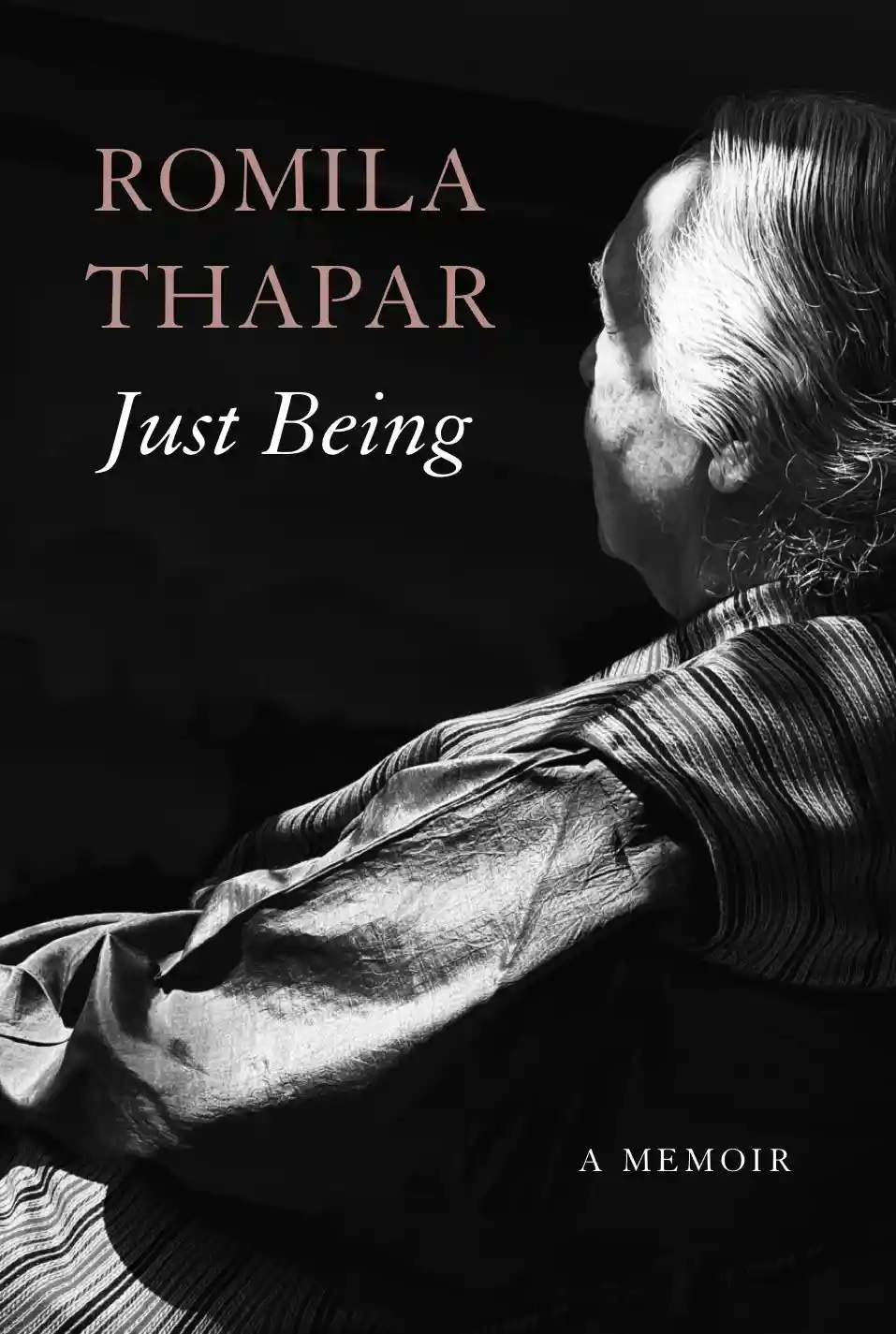
Just Being, Romila Thapar
In Just Being, historian Romila Thapar invites us into her illustrious world – a rich, extensive memoir from a scholar who has profoundly shaped our understanding of India’s past and present.
From her childhood growing up in British India, through her years of education in London, her extensive travels to archaeological sites across Asia and beyond, and her trailblazing role in shaping the Centre for Historical Studies at Jawaharlal Nehru University, Thapar reflects on a life lived in the service of inquiry and education. Composed over the past few years, Just Being is a testimony to Thapar’s ability to view herself within the larger flow of history, and to illumine it with a scholar’s depth and a storyteller’s sensitivity. It reveals not only an extraordinary, boundary-defying life but a profound conviction that understanding our past in the light of irrefutable evidence is essential to an insight into the present and to shaping a more thoughtful future.
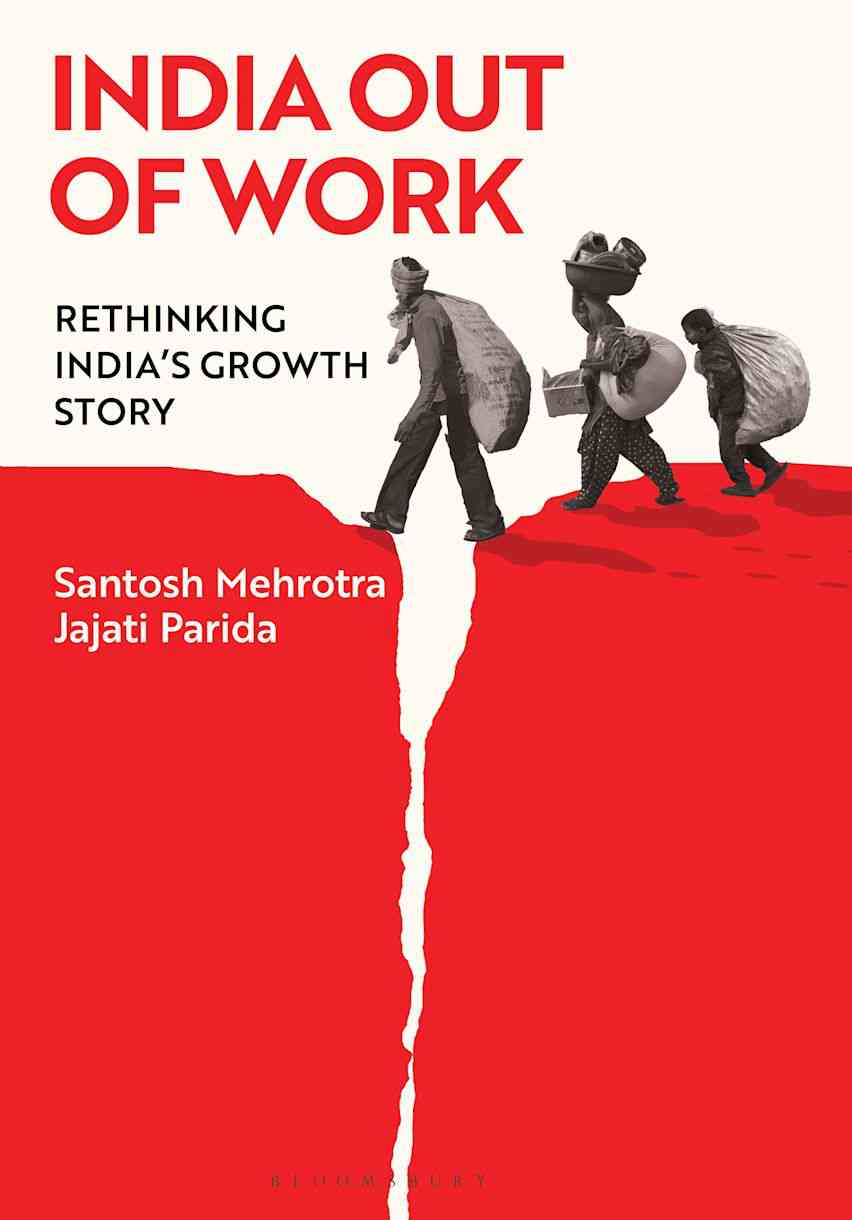
India Out of Work: Rethinking India’s Growth Story, Santosh Mehrotra and Jajati Parida
The race against time has begun, and India is already alarmingly behind. With only 15 years left of its demographic dividend, India is staring at a stark future – it may age into a poorer nation. Millions remain unemployed, underemployed or trapped in precarious work. India Out of Work is an acute and grave analysis of why the nation must urgently jumpstart its economy and what it will take for it to grow self-sufficient and rich before it grows old. From rural distress to the fragile realities of the “new economy”, Santosh Mehrotra and Jajati Parida unpack hard truths and lay out bold steps needed for a prosperous future, arguing that India needs to grow at 9% per annum and generate 350 million non-farm jobs by 2055.
This book exposes India’s critical challenges: from sluggish economic expansion to widening inequality as well as the disturbingly small presence of women in India’s workforce. Backed by rigorous analyses and compelling evidence, Mehrotra and Parida expose the paradox of jobless growth, debunk the myth of significant poverty alleviation and reveal the systemic barriers holding millions back from a good life.
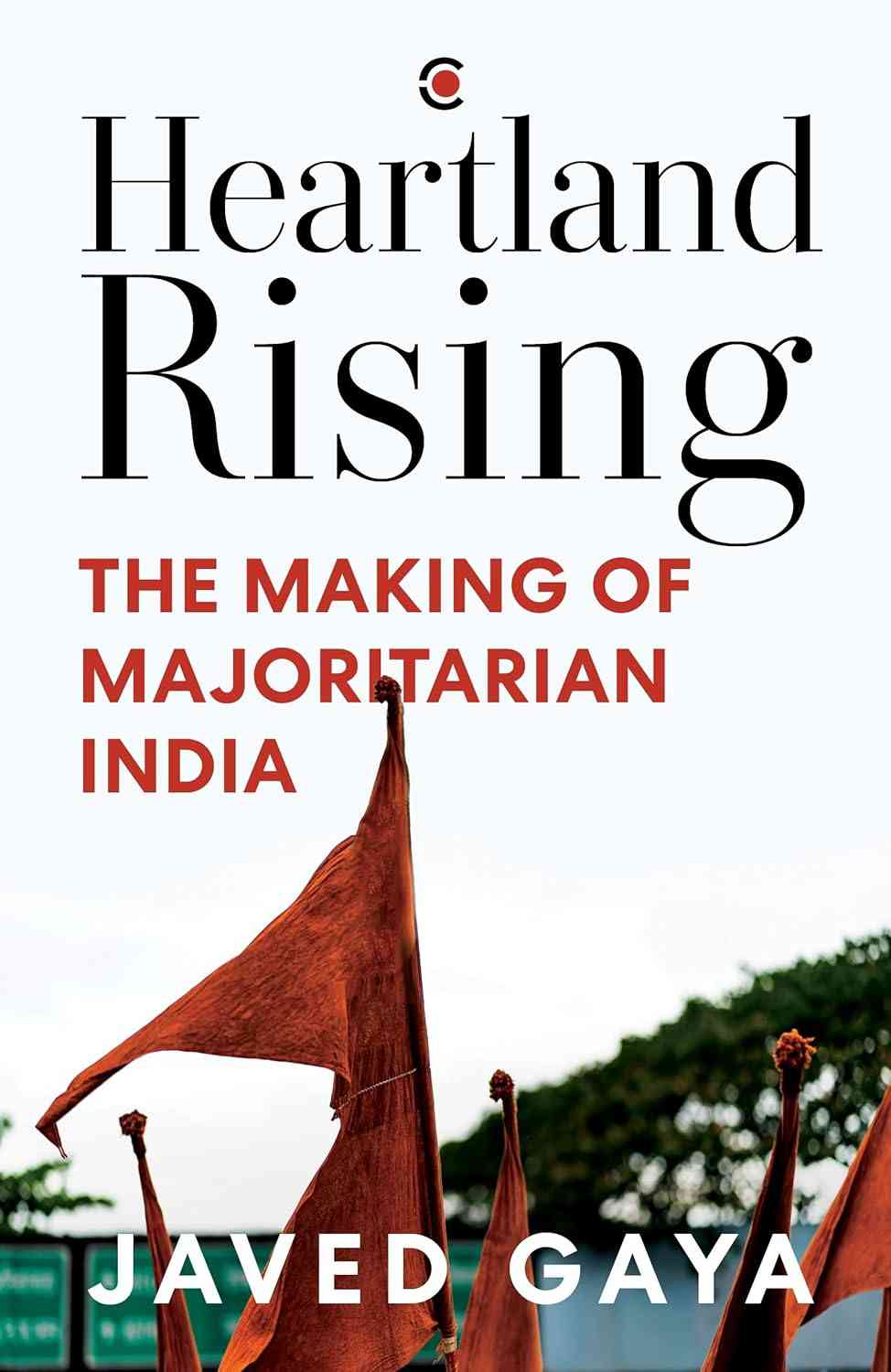
Heartland Rising: The Making of Majoritarian India, Javed Gaya
Heartland Rising examines the strident nationalism seizing India today, tracing its roots back to decisions made in the 1940s, particularly Partition and the drafting of the Constitution. Javed Gaya investigates the origins and consequences of India’s increasingly majoritarian system, assessing the frailty of constitutional safeguards, the role of the judiciary and the subversion of federalism. He analyses the futility of today’s quest for cultural purity and shows how history is being rewritten with an exclusionary intent. He both interrogates the myths created to sustain this nativist ideology, including those surrounding the causes of Partition and the alleged privileging of minorities, and discusses the role of citizenship and the externalisation of the Hindu-Muslim conflict.
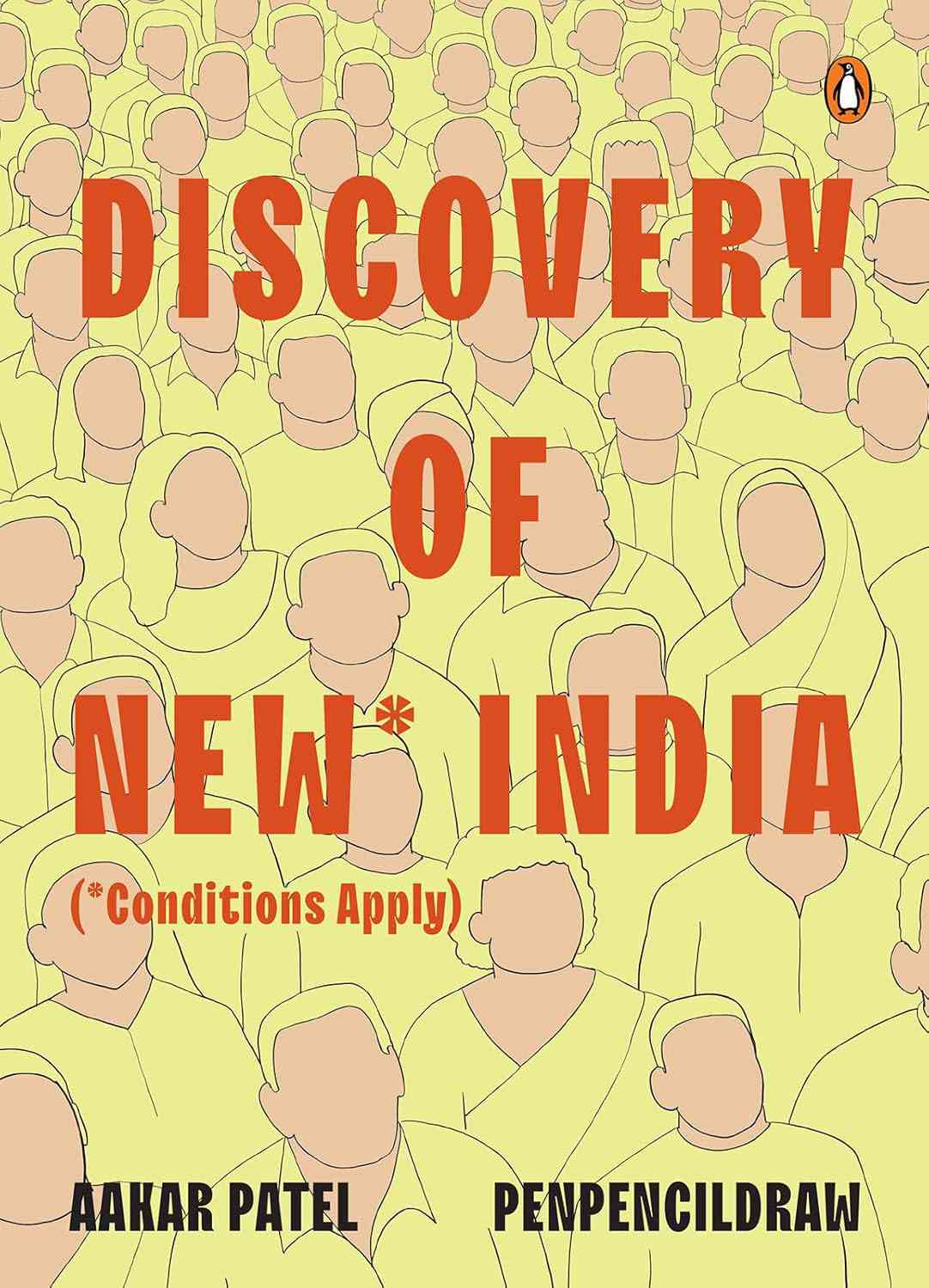
Discovery of New India, Aakar Patel and PenPencilDraw
What exactly is “New India”? In this unique graphic novel, journalist Aakar Patel acts as our guide, dragging along his optimistic nephew, his dogs, and a cast of public voices as they examine the nation’s great claims and the realities beneath them. Through conversations, history, and true stories, the book unpacks how government decisions shape how free, safe, prosperous, and healthy we really are. A witty, accessible political primer.
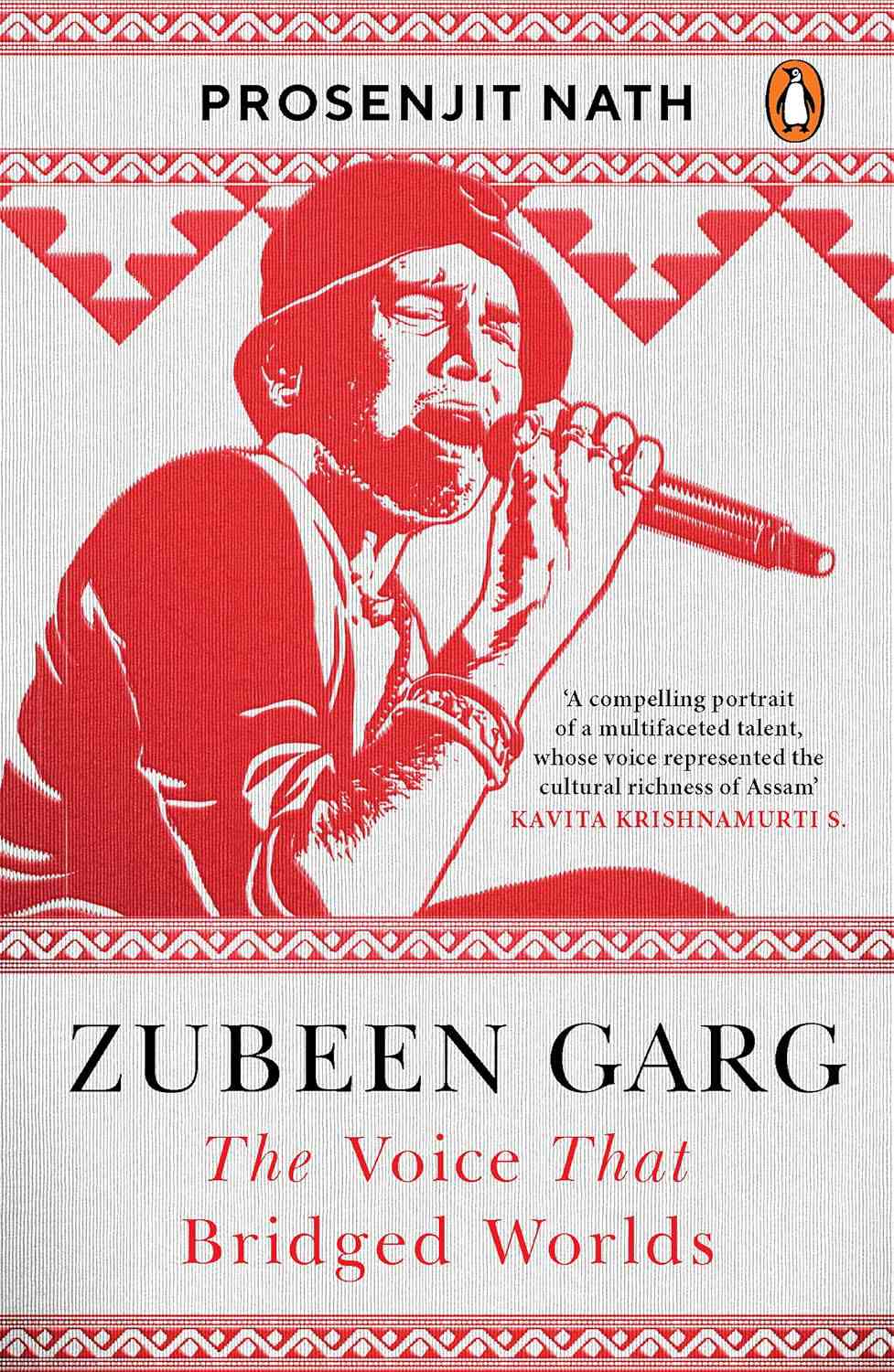
Zubeen Garg: The Voice That Bridged Worlds, Prosenjit Nath
The book traces the extraordinary journey of a boy born in the hills of Tura who rose to become one of the most influential cultural figures of Northeast India.
Blending biography, cultural history, and personal reflection, this book explores Zubeen’s evolution from a mischievous child fascinated by music to the legendary artist whose songs crossed languages, borders, and generations. From his classical training and early struggles to his revolutionary impact on Assamese music and cinema, the narrative reveals how he revitalised traditional forms while embracing modern sounds.
Yet this is more than the story of fame. It is a portrait of a fearless artist who chose his homeland over glamour, who sang in dozens of languages yet remained deeply rooted in Assam, and whose voice united millions.
The life of Zubeen Garg was never going to be just the story of a singer; it is the story of a voice that carried the soul of an entire people.
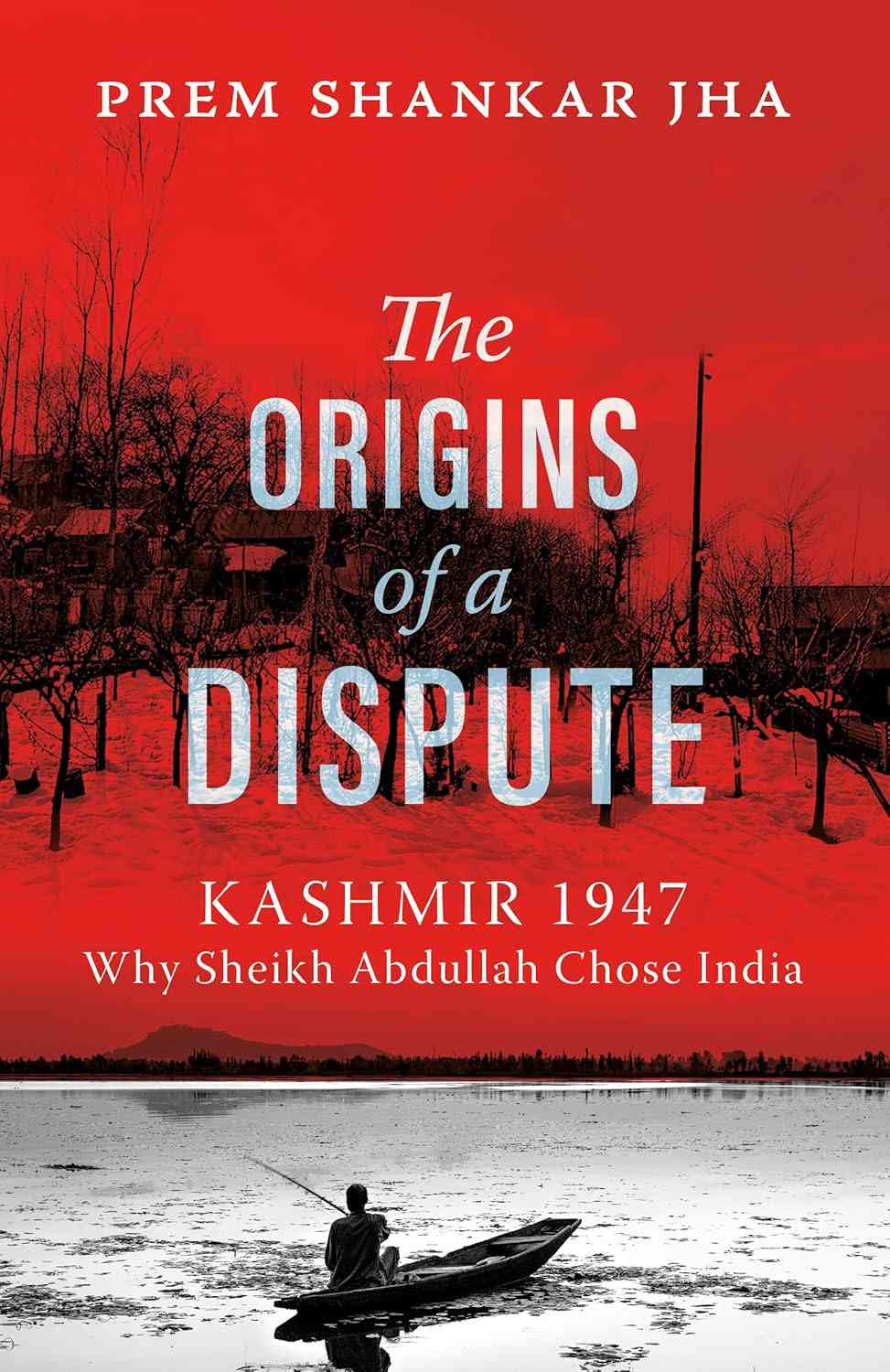
The Origins of a Dispute, Kashmir 1947: Why Sheikh Abdullah Chose India, Prem Shankar Jha
In 1947, as the British left India and the subcontinent was torn apart by Partition, the future of Kashmir hung in the balance. Within a matter of weeks – amid invasion, political intrigue and hurried diplomacy – the princely state acceded to India, setting the stage for one of the world’s longest-running conflicts.
In The Origins of a Dispute, Kashmir 1947, Prem Shankar Jha returns to those decisive months to ask a crucial question: how and why did Kashmir become the flashpoint it remains today?
Drawing on newly declassified documents – including the Mountbatten papers and British government archives – Jha reconstructs the dramatic sequence of events that led to Kashmir’s accession to India. Moving beyond competing national narratives, he examines the roles of the Maharaja of Kashmir, Sheikh Abdullah, the Pakistani-backed tribal invasion and the geopolitical calculations of Britain in the final days of empire.
This book revisits the birth of the Kashmir dispute – and reveals how a crisis born in 1947 continues to shape South Asia’s politics today.