










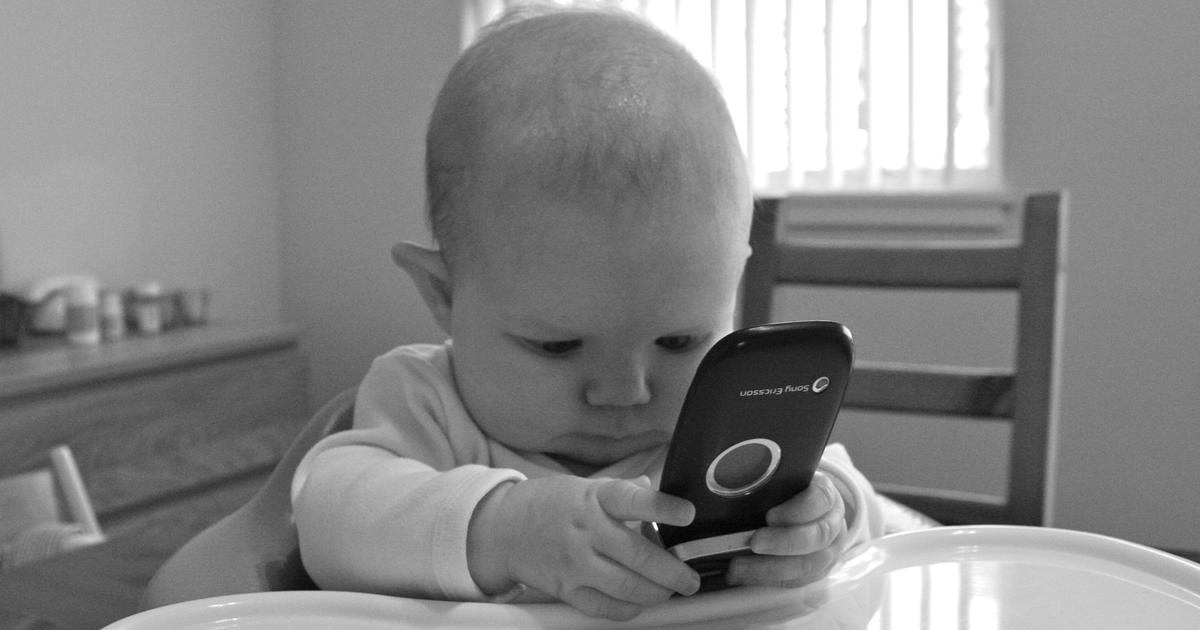
Your children’s generation will be among the first to have never known life without digital devices (smartphones, tablets, and computers). Technology has become a ubiquitous part of our daily lives, so much so that we see these devices in the hands of children who aren’t yet out of diapers.
In fact, researchers at the University of Iowa discovered that by age two, 90% of children had a moderate ability to use a tablet. Says Dr Fran Walfish, a Los Angeles-based child and family psychotherapist in an article for the blog Little Things, “We have a lot of two-year-olds using tablets now, and I see three- and four-year-olds that are already addicted.”
As your preschooler grows older, it will become much harder to limit the time she spends on digital devices. Tablets and smartphones have edged their way into classrooms and day cares across the country, and they likely will be used by most of her peers during non-school hours.
But during these preschool years, you have more control over whether or not your child uses technology and, if so, for how long. As a mindful parent, you should use this control wisely. A preschooler really doesn’t need technology for anything. Nor will she have access to these devices unless you allow it.
Rather than handing your child a device to keep her busy or to provide entertainment, take a moment to recognise exactly what happens to your child when she spends time on them and how this early usage can impact her development.
Because these digital devices have become mainstream only in the last decade or so, their long-term effects on childhood development and growth are still not fully realised. But the available information we have to date is already confirming that the use of them by young children should be carefully monitored, if not avoided altogether.
We suggest you delay this access as long as possible, and here’s why
There’s an addictive quality to these devices
Kids’ brains undergo neurobiological changes when they regularly use technology. Once in your child’s hands, a tablet or smartphone is hard to put down. The sensory seductions are too strong for a little one to resist.
Because he is immediately rewarded (with entertainment, messages,) at the click of a button, your child’s brain is being rewired to crave this immediate gratification.
His brain is secreting the neurotransmitter dopamine (a feel-good chemical), which activates the reward pathways in the brain. Of course, your child wants to keep feeling the good feelings provided by these devices. But as a result, he doesn’t learn patience, moderation, or impulse control.
With frequent use of digital devices, children aren’t challenged to find creative ways to entertain themselves or find solutions to problems when they can easily obtain what they need with a device.
They can trigger power struggles and “tech tantrums”
You may have noticed how children using these devices in restaurants, airplanes, and other public places stare at them with glazed eyes, lost in a drug-like virtual world.
Pulling your preschooler away from a device can quickly turn into a power struggle between the two of you. Your child won’t easily disengage from the games or shows that he’s become attached to.
When you force him to disengage, not only are you terminating the dopamine supply that these devices trigger, you’re also interrupting the psychological flow state that occurs when he’s engrossed in a game or show.
Taking away a device when your child is so absorbed can result in a full-blown meltdown. And if you hand your child a device to ‘calm him down’ during or after a tantrum, you’re just reinforcing this bad behaviour.
They can negatively impact your child’s sleep
Many children take these devices to bed with them, playing games and watching shows without supervision. Not only will a child resist sleep in order to spend time on a device, but the device can make it more difficult to fall asleep.
The blue light that emits from a screen suppresses the sleep hormone melatonin and changes the body’s natural sleep–wake cycle. This results in a sleep-deprived child who doesn’t have the energy to play outside or manage emotions the next day. Then parents are tempted to deal with the fallout by allowing more screen time. It becomes a vicious cycle.
They can affect your child’s ability to learn
Regular use of these digital devices can lead to distractibility that can contribute to poor academic performance once your preschooler is in school. A new Canadian study confirms that too much screen time for preschoolers is connected with developmental delays and a lack of school readiness.
Says Jenny Radesky, MD, clinical instructor in developmental-behavioural paediatrics at Boston University, “These devices also may replace the hands-on activities important for the development of sensorimotor and visual-motor skills, which are important for the learning and application of math and science.”
Time on these devices can also impact your preschooler’s critical thinking, problem-solving, ability to focus, and social skills – abilities that should be developed through exploring, unstructured play, and interacting with peers. When they are constantly distracted with devices, children aren’t using their imaginations or learning how to interact with others.
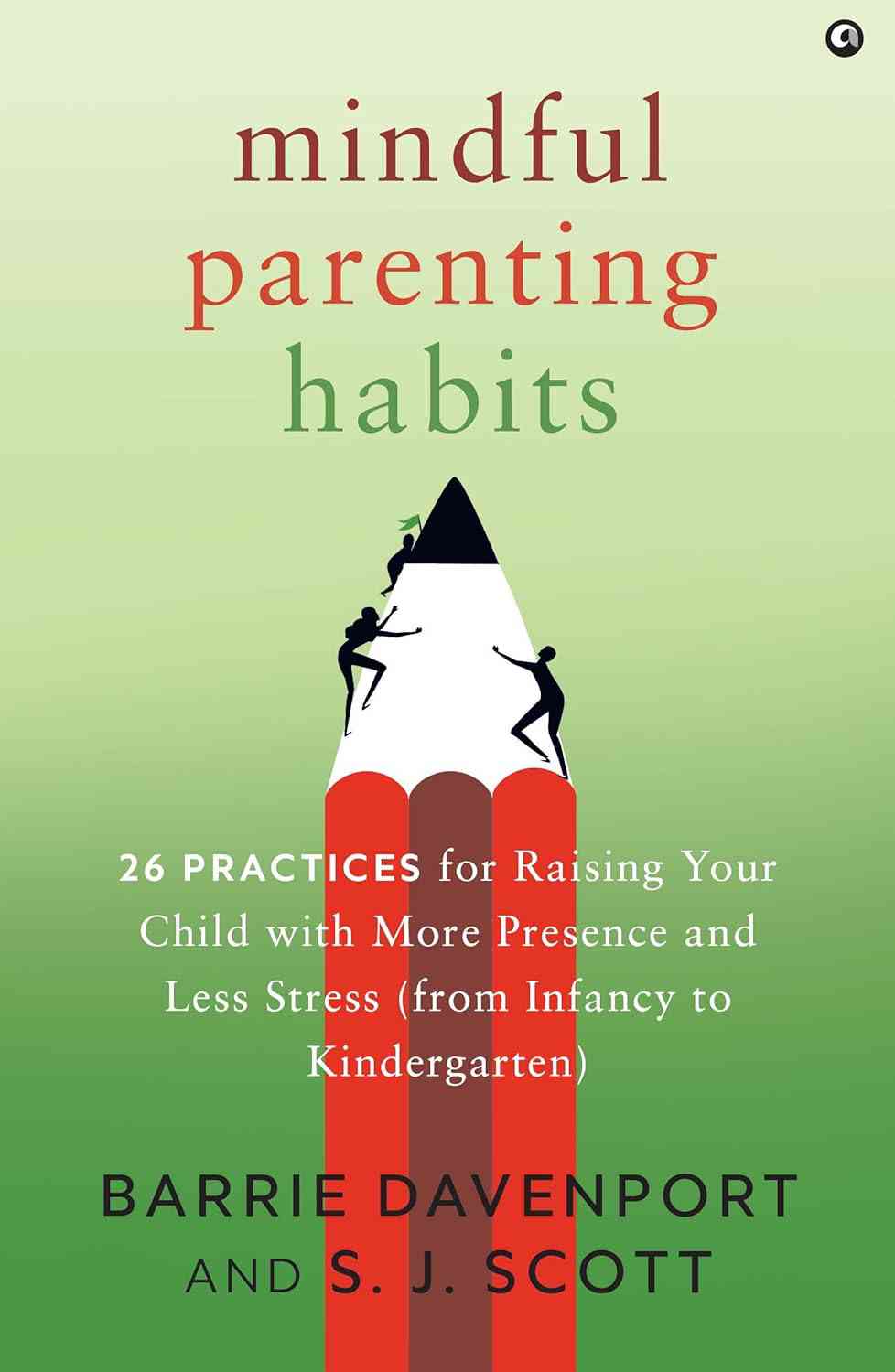
Excerpted with permission from Mindful Parenting Habits: 26 Practices for Raising Your Child with More Presence and Less Stress (From Infancy to Kindergarten), Barrie Davenport and SJ Scott, Aleph Book Company.
