



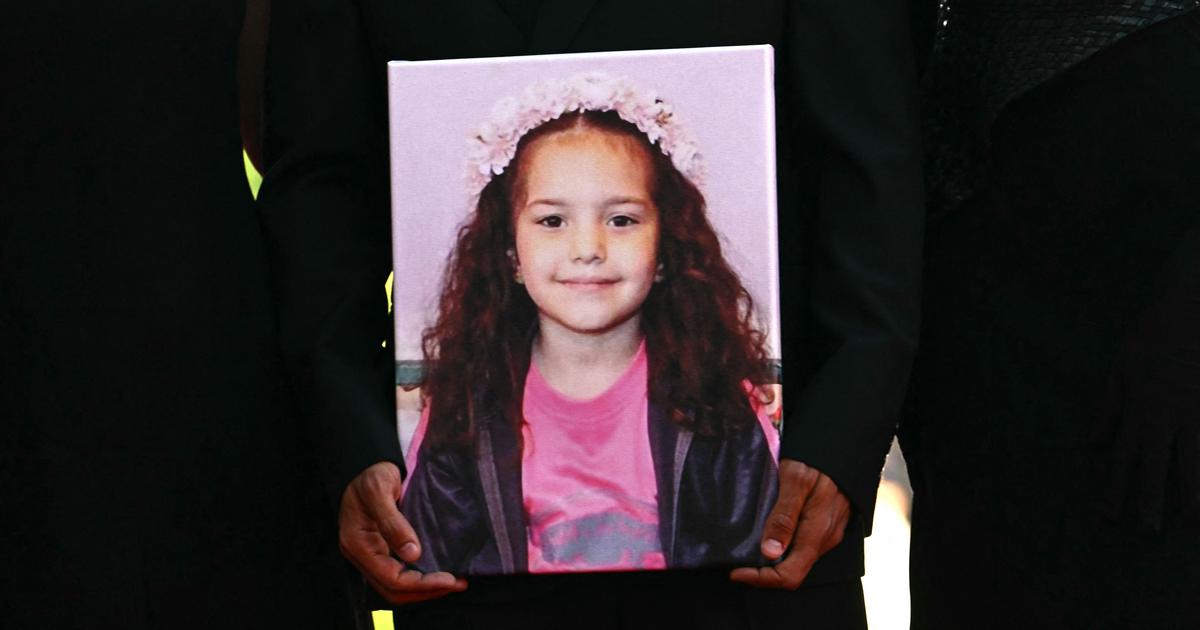
The Voice of Hind Rajab is the most powerful and moving film that I have seen in recent memory. The movie was screened at the G5A in Mumbai after India’s Central Board of Film Certification finally allowed its release. In March, the Censor Board had blocked the release of the film claiming it would spoil India’s relationship with Israel.
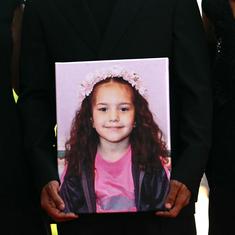
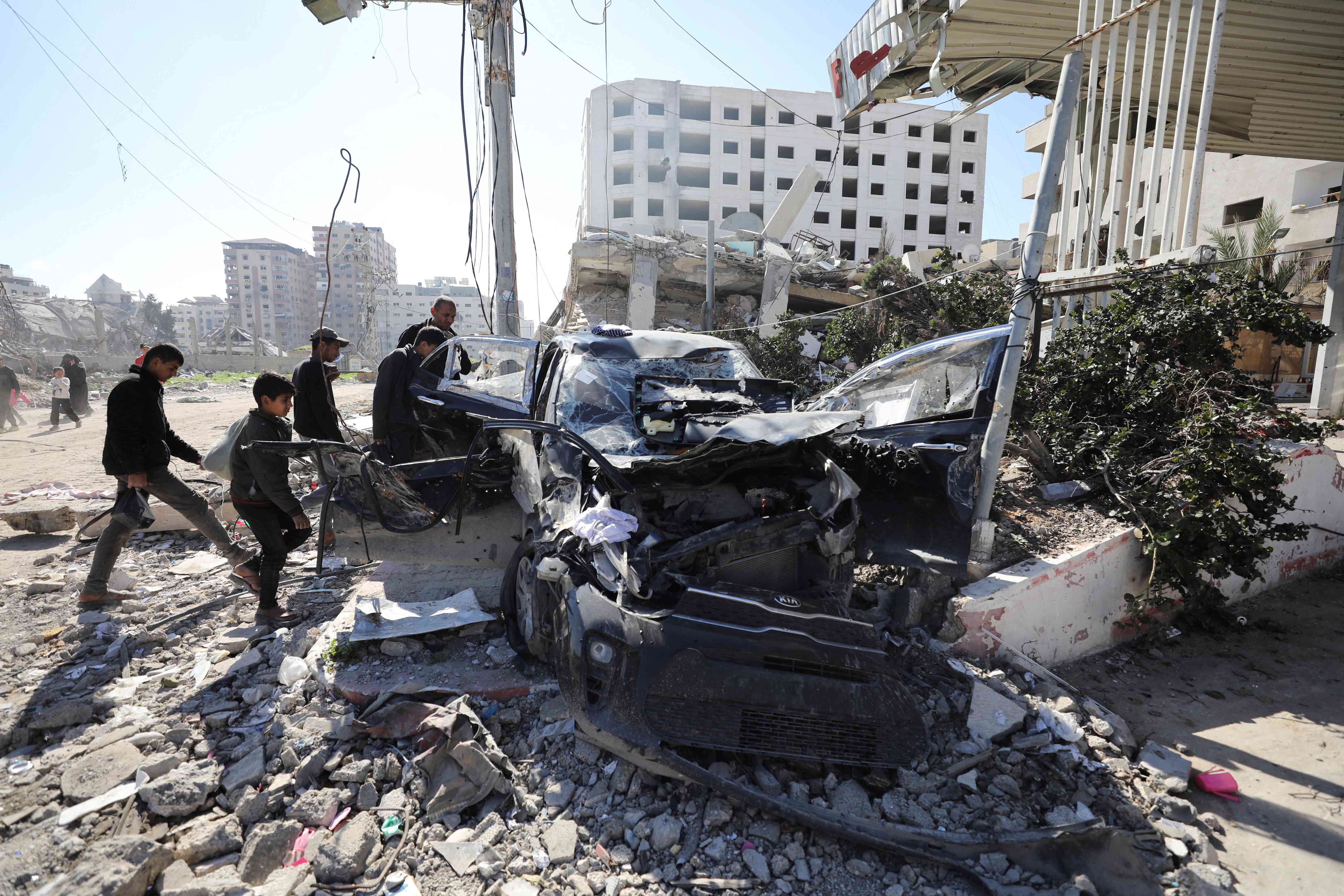
Hind Rajab, a five-year-old Palestinian girl, was trapped in a car that Israeli soldiers had shot at in Gaza in January 2024. Her relatives were killed but Hind hid between the seats and after her uncle established phone contact with her, he passed on her number to the Red Crescent, a truly heroic group of international and Palestinian volunteers who co-ordinate search and rescue operations from the West Bank.
The volunteers did all they could to keep Hind’s morale up over the phone as they attempted to obtain permission from the Israelis military to send an ambulance to her. Many volunteers have been killed by Israel during similar rescue missions, so official permission was crucial. The Israeli military controlled all roads and permissions were endlessly delayed, as it turns out, perhaps deliberately so.
The 70 minutes of Hind’s phone recordings made over a day are the heartbeat of the film. They are also the only documentary part of the film. The rest of the story was recreated through painstaking research and brilliantly acted, directed and edited into a masterful piece of truth telling.

After the screening, filmmaker Kaouther Ben Hania over a video call expressed her happiness that the film was being seen in India, having grown up loving Indian cinema, so popular in her region. Having watched the film, I really hope the Censor Board is right. May we indeed spoil relations and create some distance with a genocidal regime whose country, in my youth, we were not allowed to travel to.
Like other English-educated Indians I grew up on stories of the Holocaust and Leon Uris novels like Exodus and Mila 18. We empathised with the Jews of the world who had faced centuries of persecution. I still do. But I no longer believe the common fiction that Israel had been created out of a “land without people for a people without a land”. I know now that Palestine had been populated by Muslims, Christians and Jews who had lived together for centuries in relative harmony. Unlike Europe, there were no pogroms here against the Jews.
Luckily for me, India’s leadership knew more than I did and were less influenced by Hollywood. Mohandas Gandhi was one of the earliest world leaders, perhaps the very first, to oppose the creation of Israel. He spoke out against the grabbing of Palestinian land in 1938 before Israel was created, and then again in 1948.
Gandhi sympathised with Jews who had faced terrible persecution in Germany and other parts of Europe but said that “The nobler course would be to insist on a just treatment of the Jews wherever they are born and bred. The Jews born in France are French in precisely the same sense that Christians born in France are French.” He added that “Palestine belongs to the Arabs in the same sense that England belongs to the English or France to the French.”
Gandhi, perhaps instinctively, opposed partitions of all kinds and the division of humans against each other in the name of an artificially created nationalism that only benefits a ruling class or a colonial or imperial power. He may not have known that the very concept of Zionism did not originate from Jews but was an imperialist and Christian Restorationist project.
Long before Theodor Herzl, considered the father of Zionism, wrote Der Judenstaat, prominent 19th-century British politicians and theologians had lobbied for a Jewish return to Palestine. Some, like Lord Shaftesbury and Charles Henry Churchill, promoted the idea as an imperial strategy to secure British interests in West Asia. Later, once oil was discovered, the placement of a well-armed, white European policeman on Arab soil perfectly suited both, a waning Britain, and the United States, an emerging super power at the end of the second World War.
Meanwhile, Independent India in the first few decades was Gandhi and Nehru’s India. My Indian passport refused to allow me to visit two countries – apartheid South Africa and apartheid Israel. South Africa no longer practices apartheid but Israel still does. Guest workers from India and non-white immigrants from everywhere face the brunt of racism in Israel. Palestinians, native to the land that Israel occupied, face a daily dose of insecurity at the best of times and when times get darker, torture, rape and death.
Israel’s carte blanche as the land of those who suffered the Holocaust is coming to an end after its genocide in Gaza. Even Germany, which out of pure guilt refused to criticise Israel, has started to express reservations. Zionism is no longer a good word internationally and all criticism of it can no longer be dismissed as “antisemitism”.
This is not true as yet in today’s India. The Gandhi-Nehru era has long been buried along with ideas of socialism, secularism and democracy. The rise of a muscular ultra-Hindu nationalism – Gandhi was murdered for advocating fraternity with Muslims – mirrors the rise of ultra-Zionists who murdered Israeli Prime Minister Yitzhak Rabin for having dreamt of peace with Palestine.
There is strong evidence that Israel’s secret service, Mossad, had ties with and aided the terrorism of fanatic Hindu groups in the days when the extreme Hindu Right was not yet in power. Today, Israel and Narendra Modi’s India trade arms and are partners in crime, shamefully, even during the genocide in Gaza. Anti-Muslim hate is common to both and official permission for pro-Palestine protests are rarely granted.
To get back to the film that triggered this reflection, we had protested the blocking of the release of The Voice of Hind Rajab in India through an international signature campaign that included actor Naseeruddin Shah, director Martin Duckworth and eminent filmmakers and others from across the world. For whatever reason the ban was finally lifted, I am deeply grateful. One less moment of shame.
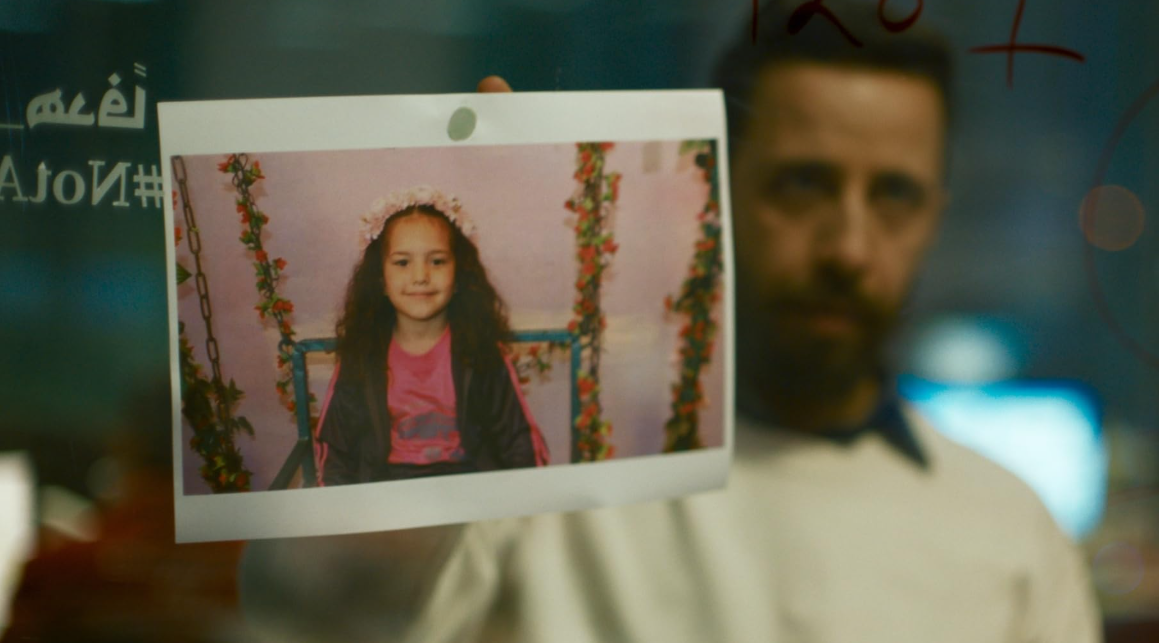
Now, for the next step. JVEL, an intrepid distributor, has picked up the film and from June 19, over 100 cinemas across India will screen The Voice of Hind Rajab. The film has English subtitles, so the reach will be limited. But if enough of us English speaking Indians throng the cinema, the distributor could be persuaded to make different language versions.
It can become a breakthrough moment for India, for not only does this film depict the bravery of rescue volunteers who enter war zones, it also bears testimony to the murder of humanity, an act we witness almost on a daily basis in many parts of the globe. The war on Iran began with the US dropping bombs on a school, killing 168 Iranian schoolgirls.
The film destroys the “victim” myth of Israel and the “saviour” myth of a US that funds ongoing barbarism. It is an unflinching comment on the cruelty being inflicted by the rich and powerful of the world upon the poor and the defenseless. It is the inner voice of a conscience we cannot allow to die.
Anand Patwardhan is an award-winning filmmaker.
