All information sourced from publishers.
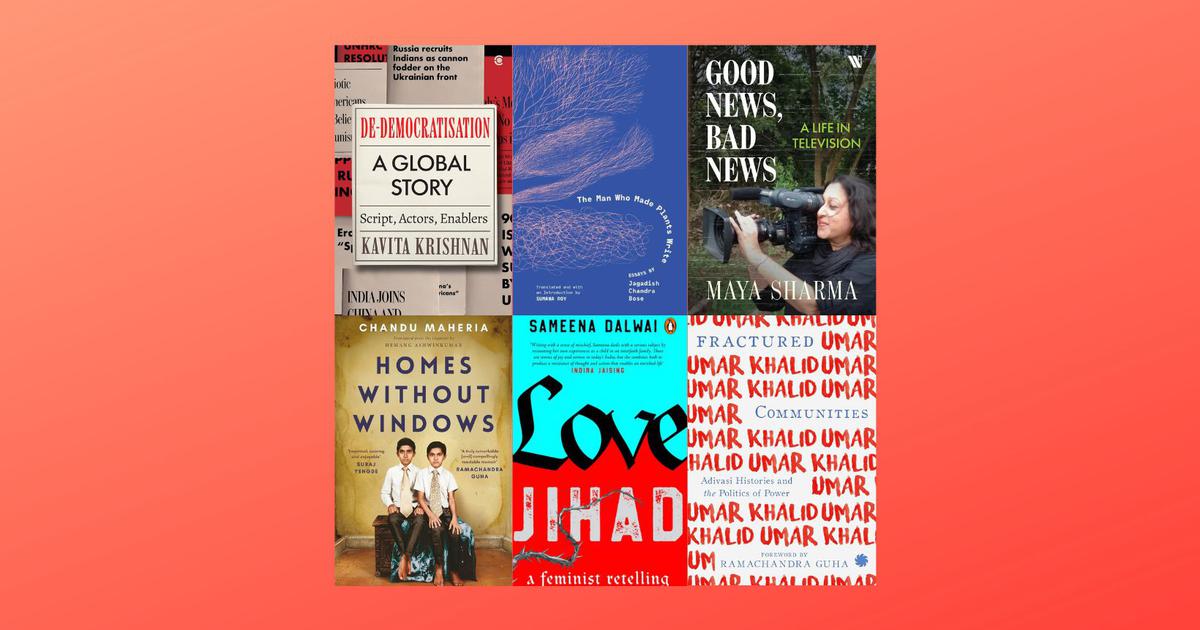
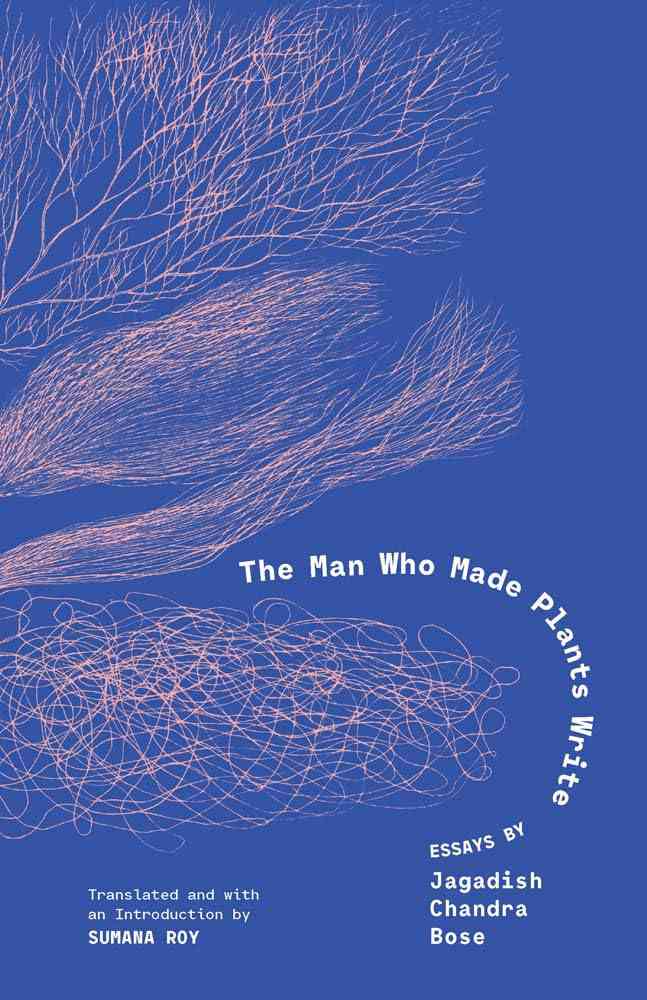
The Man Who Made Plants Write: Essays, Jagadish Chandra Bose, translated from the Bengali by Sumana Roy
Sumana Roy translates Jagadish Chandra Bose’s revolutionary writings on plant sentience and communication. Jagadish Chandra Bose (1858-1937) was a Bengali scientist and polymath who developed a theory of plant communication more than a century ago. Bose suggested that plants had their own vocabulary, an “unvoiced life” that he recorded as a “script” with a crescograph, a device that measured how plants respond to each other and their environments. Inviting readers into the “resounding silence of the green plant kingdom,” he described an underlying unity beneath the multiplicity of phenomena, and a world in which “endless music is sung everywhere.” Dismissed as idiosyncratic and unscientific when he was alive, Bose provocatively challenged the hierarchy of living beings, which relegated plants to the bottom, and created a mesmerising body of work on nonhuman intelligence. Through her translations from Bose’s essay collection Abyakta (“The Unsaid”; 1922), Roy reveals the revolutionary character of his mind, as poetic and philosophical as it was scientific.
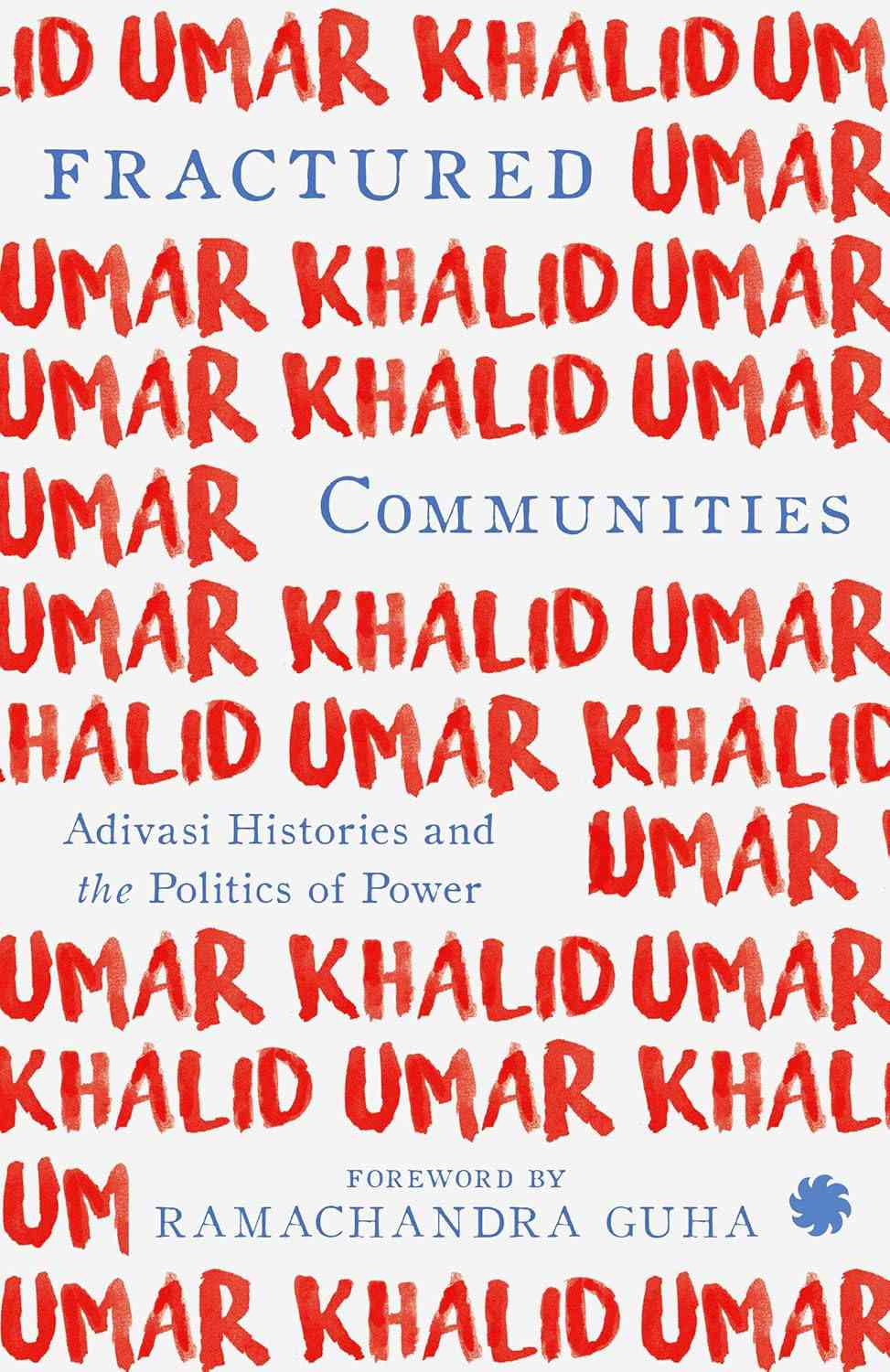
Fractured Communities: Adivasi Histories and the Politics of Power, Umar Khalid
Umar Khalid completed his PhD thesis on the history of the Adivasis of the Singhbhum region of Jharkhand under extraordinary circumstances. He was facing sedition charges, had spent time in jail and had been expelled from the university. This thesis was submitted at Jawaharlal Nehru University’s Centre for Historical Studies in July 2018. Since then, it has garnered significant attention among scholars and historians.
In Fractured Communities, Khalid combines archival rigour with analytical clarity to illuminate the history of Singhbhum’s tribal societies under British rule. The book is both a valuable work of history and a critique of histories written from positions of power, which tend to flatten differences among and, more crucially, within communities.
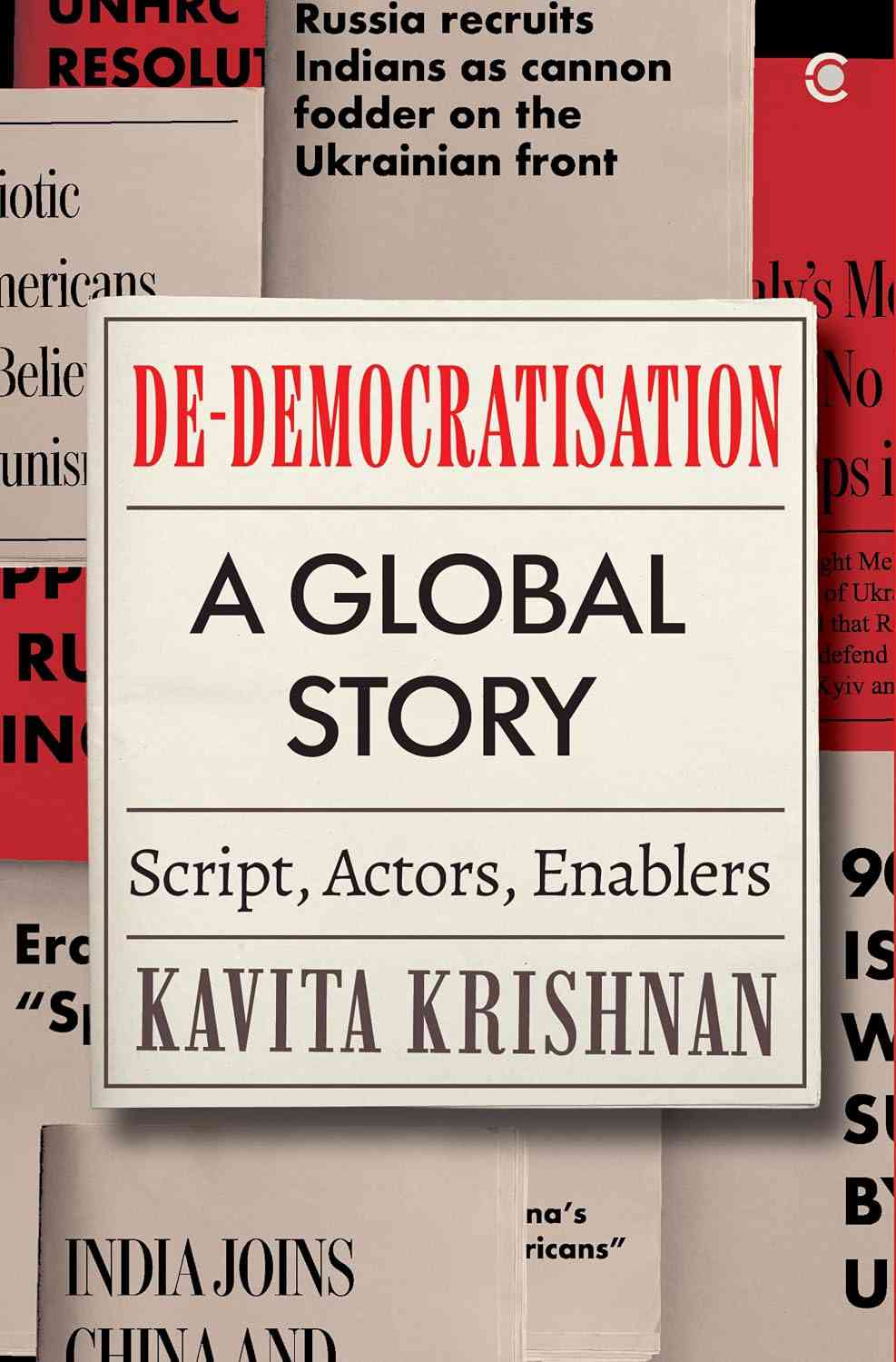
De-democratisation, a Global Story: Script, Actors and Enablers, Kavita Krishnan
In the map of the world we have long known, the US and Western powers stand at one pole, with Russia and China at the other: the West’s unipolar ambitions vs the “multipolar” aspirations of the Rest.
But do the US and Russia really stand in opposition to each other today? And what about China? Civil liberties activist Kavita Krishnan argues against the tendency to see seismic shifts in the world – whether it is the genocide in Gaza, Russia’s war on Ukraine or the US-Israel war on Iran – through the outmoded West vs Rest lens.
She urges our attention instead to the true crisis of our time: a global attempt to undo the established consensus that democracy and human rights are universal. In this project, the Trump-era US, Putin’s Russia and Xi’s China are allies, sharing not just values but also strategies. Krishnan invites you to stand in the shoes of peoples struggling for democracy and justice. From that position, you see clearly how the West vs Rest perspective has, for too long, forced oppressed peoples of the world to compete for solidarity.
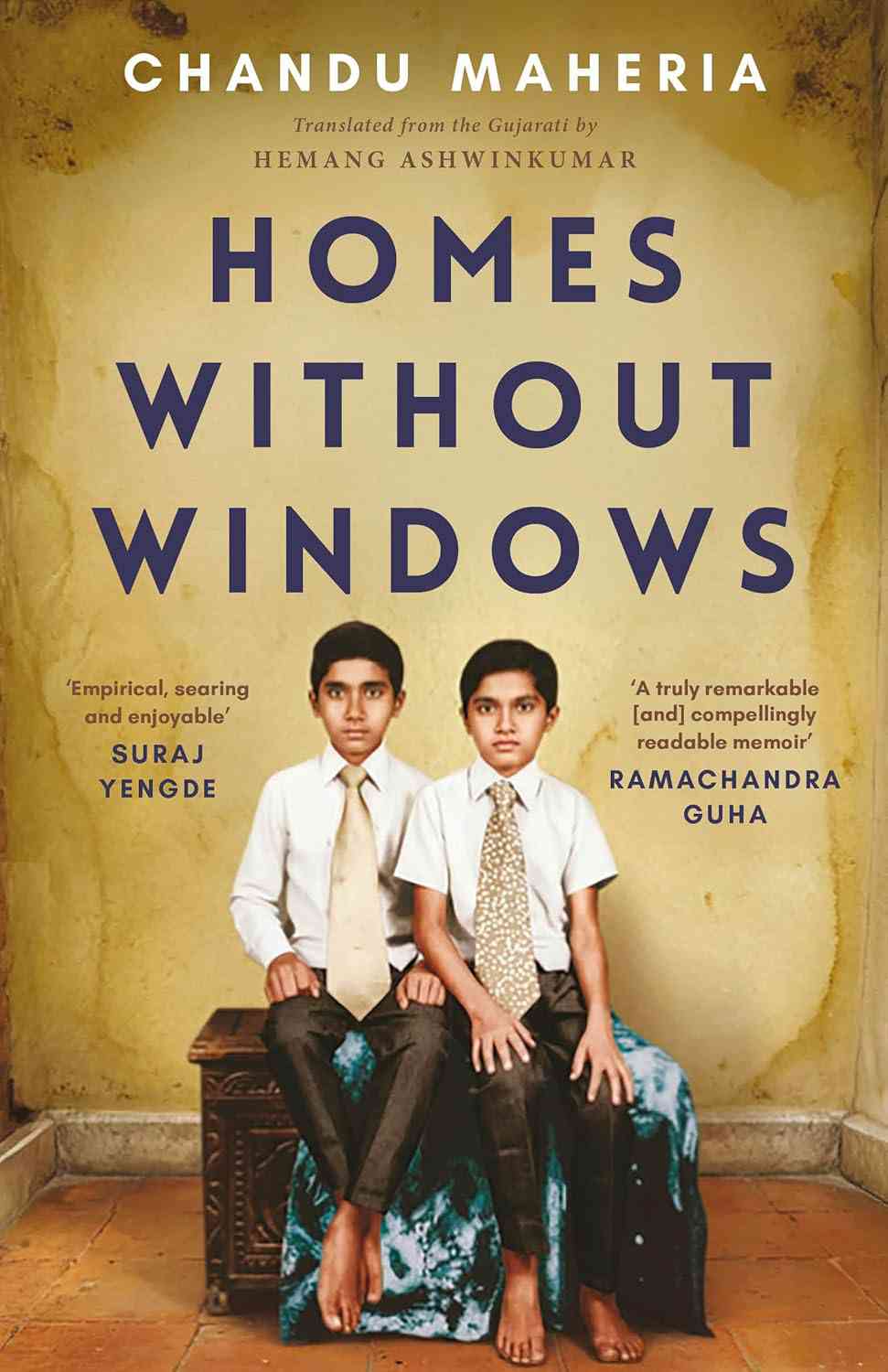
Homes Without Windows, Chandu Maheria, translated from the Gujarati by Hemang Ashwinkumar
A pioneering voice of Gujarati Dalit literature, Chandu Maheria has written and edited dozens of books, published thousands of op-eds and organised political movements in a lifelong campaign against caste discrimination. His work moves between thought and action, tracing a life shaped as much by books as by the streets. In this autobiographical account, he charts his journey from grinding poverty in the working-class chawls of East Ahmedabad to a life of reading, writing and political struggle.
Translated into English for the first time, Maheria’s writings lay bare the everyday violence of caste prejudice in India, while also capturing a turbulent historical moment in 1980s Gujarat, marked by mass migration, communal tensions and anti-reservation riots. At the same time, his memoir is grounded in intimate detail and lived reality: the daily humiliation of public toilets, children growing up without footwear, chronic hunger, a father’s late-life militant atheism, a mother’s austere resolve and the author’s recurring encounters with illness and mortality.
Alongside this personal history runs the story of Maheria’s intellectual formation, from his unsparing engagement with Gandhi’s complex legacy to his arguments with fellow Dalit thinkers. The result is a book that is at once a record of deprivation, a political education and a sustained reckoning with the power structures that continue to divide contemporary India.
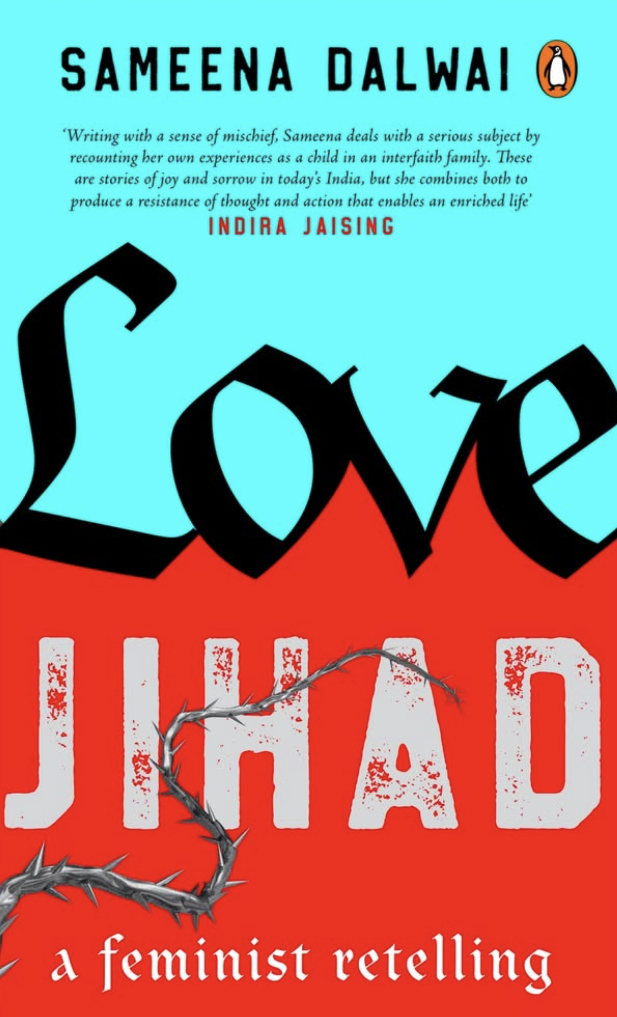
Love Jihad: A Feminist Retelling, Sameena Dalwai
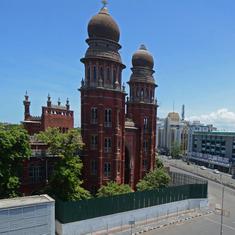
In February 2024, the Calcutta High Court ordered the change of the name of a lioness Sita in the Siliguri Safari Park. Some organisations had objected to her being housed with a lion named “Akbar”.
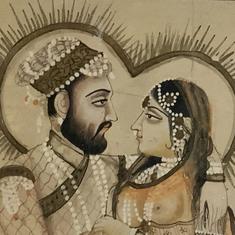
The propaganda, legislation, and police actions related to interfaith couples are based on the premise that Muslim men are luring Hindu women into marriage, and that “love” is a tool for “jihad”.
The book argues that “love jihad” is not a category of relationship – it is a surveillance slogan. It allows vigilantes to enter homes, check phones, question faith and dissect the friendships of adult women.
The author explores the multidimensional lives of Hindu women, Muslim men and Dalit Bahujan masses and, through humour, poetry and personal stories, draws connections to reports, statistics and legal battles.
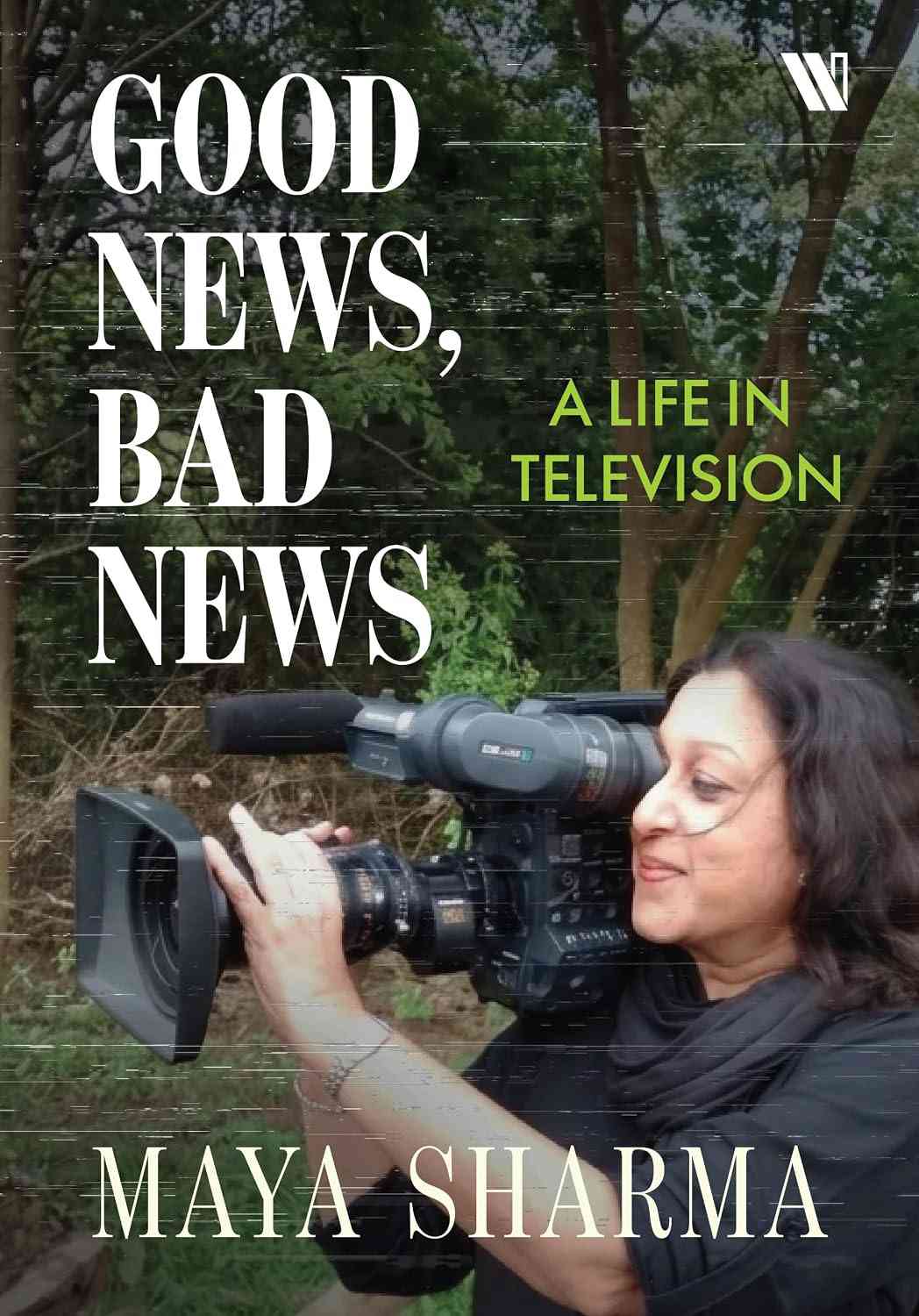
Good News, Bad News: A Life in Television, Maya Sharma
1989: One of India’s first-ever televised election results coverage was to go live, and Maya Sharma stood at the ready, an earnest expression on her face and a firm grip on her mike.
Maya reported live for the first time then – and would do so thousands of times in the years ahead.
As a senior reporter for NDTV’s Bangalore bureau, she would go on to cover more elections, dramatic political developments, devastating natural disasters, as well as art and entertainment, human-interest stories and sports. Away from the centre of political and journalistic power in Delhi, a reporter could not afford to stick to one beat, but, equally, this was a chance to develop a wide range of interests, contacts and, indeed, specialisations. While an insider to news television, a bureau reporter is nonetheless an outsider who has the distance to assess the faultlines of her profession: the north-south divide, the woman reporter's particular challenges, and the constant tug of war between the quest for truth and TRPs.
It is unusual for one person to have stayed so long that the span of their career is almost the entire life of private TV news in India. As much as it is an appraisal of the history of her profession in the country, this book is also a clear-eyed evaluation of how journalism works today. Good News, Bad News is, in short, the story of the rise and fall of television news in India.