









“As much as I taught the culinary craft to Bengal, I learnt a fair bit from the Bengalis in exchange. I always found the Bengalis to be very practical people in their approach to food. I may not agree with their insistence on eating only river fish and shunning the bounty that comes from the sea, but their attention to detail and respect for ingredients has always impressed me.
“To the regular Bengali, and let me be clear about this, Bengali is not a religious differentiation. For me, it is merely the traits of a people confined to a certain geographical location. Anyway, the beauty of these people is that they never let anything go to waste and definitely not a massive fish head that is attached to the large river fish that they seem to be pulling out from the multiple rivers, streams and tiny little lakes that seem to dot their lands. I love their mudhi ghonto, which is considered a really auspicious dish and is usually made for festive occasions. It combines the two ingredients that the Bengalis deem almost sacred – rice and fish.
“To me, it is a lesson in ingenuity and sustenance. This is apart from the fact that it gives a brilliant texture and flavour to the food. It is generally considered to have aphrodisiac qualities. The fish head is specially prepared and reserved for the new groom on the night of his marriage. The Bengalis normally use the head of rohu, which is a local river fish, to turn out this culinary masterpiece, but you can use any large fish head. And, in my personal opinion, it would sometimes do you good to not restrict yourself to only river fish, because I have had excellent results making this dish with the contents of the nets that our skilful fishermen seem to drag in from the sea.
“The other ingredient that you may want to play around with is the rice. Short-grain rice like Gobindobhog is considered traditional and gives a creamier effect to the final product. A long-grained rice could also be used to give the dish a refined appearance.’
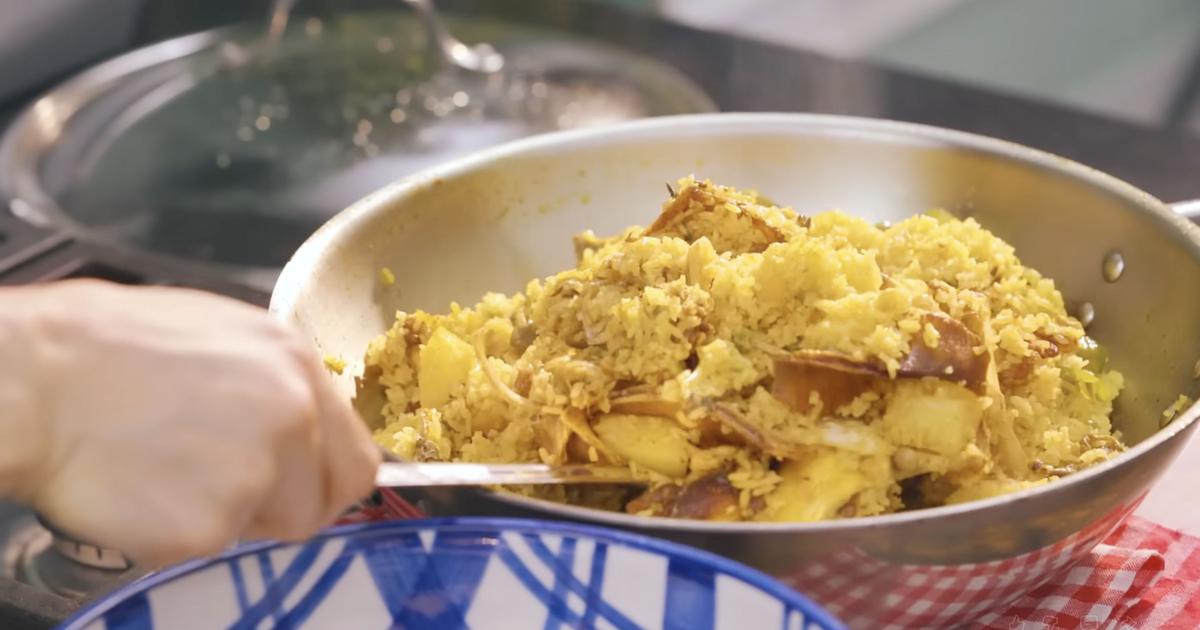
Mudhi ghonto
Ingredients
Large fish head like carp/rohu, cleaned and cut into half – 3
Rice – 2 cups
Cumin seeds – 1 tsp
Ginger, peeled – 2-inch piece
Coriander seeds – ½ tsp
Cinnamon – 2
Cloves – 3
Green cardamoms – 2
Mustard oil – ¼ cup
Bay leaves – 3
Dried red chillies – 3
Cinnamon – 2
Green cardamoms – 4
Cloves – 2
Chilli powder – 1 tsp
Turmeric powder – 1 tsp
Tomatoes, chopped – 3 large
Salt to taste
Sugar – 2 tsp
Melted ghee – 2 tbsp
Garam masala powder – 1 tsp
Instructions
Wash the fish heads well and pat them dry.
Wash the rice several times till the water runs clear. Soak the rice for 20 minutes.
In a food processor or by using a mortar and pestle, grind together the cumin, ginger, coriander seeds, cinnamon, cloves, and green cardamom into a smooth paste. Use a bit of water if necessary to assist you in the process. Keep this aside for later use.
Heat the mustard oil in a heavy-bottomed pot till it smokes, reduce the heat and slip the pieces of fish head in it. Fry them till they change colour. Remove the fish heads from the oil with a slotted spoon and drain it out on a clean kitchen towel.
Reheat the leftover oil in the pot and throw in bay leaves, dried chillies, cinnamon, cardamom and cloves. Stir the spices on medium heat till they change colour. Add in the spice paste,stir on medium heat for a couple of minutes and add in the chilli and turmeric powders. Stir for a minute or so to lose the raw spice taste of the powders. Add the drained rice and the fried fish heads. Stir for a minute on medium heat so that the rice and fish heads are evenly coated. Add the tomatoes and salt and when the tomatoes turn soft and pulpy, add four cups of water. Reduce the heat to a simmer and allow the ingredients to sit in the pot for 20 minutes until the ingredients are cooked through. Sprinkle in the sugar, ghee and garam masala powder.
Remove from the heat. Taste and adjust the seasoning if required and serve hot.
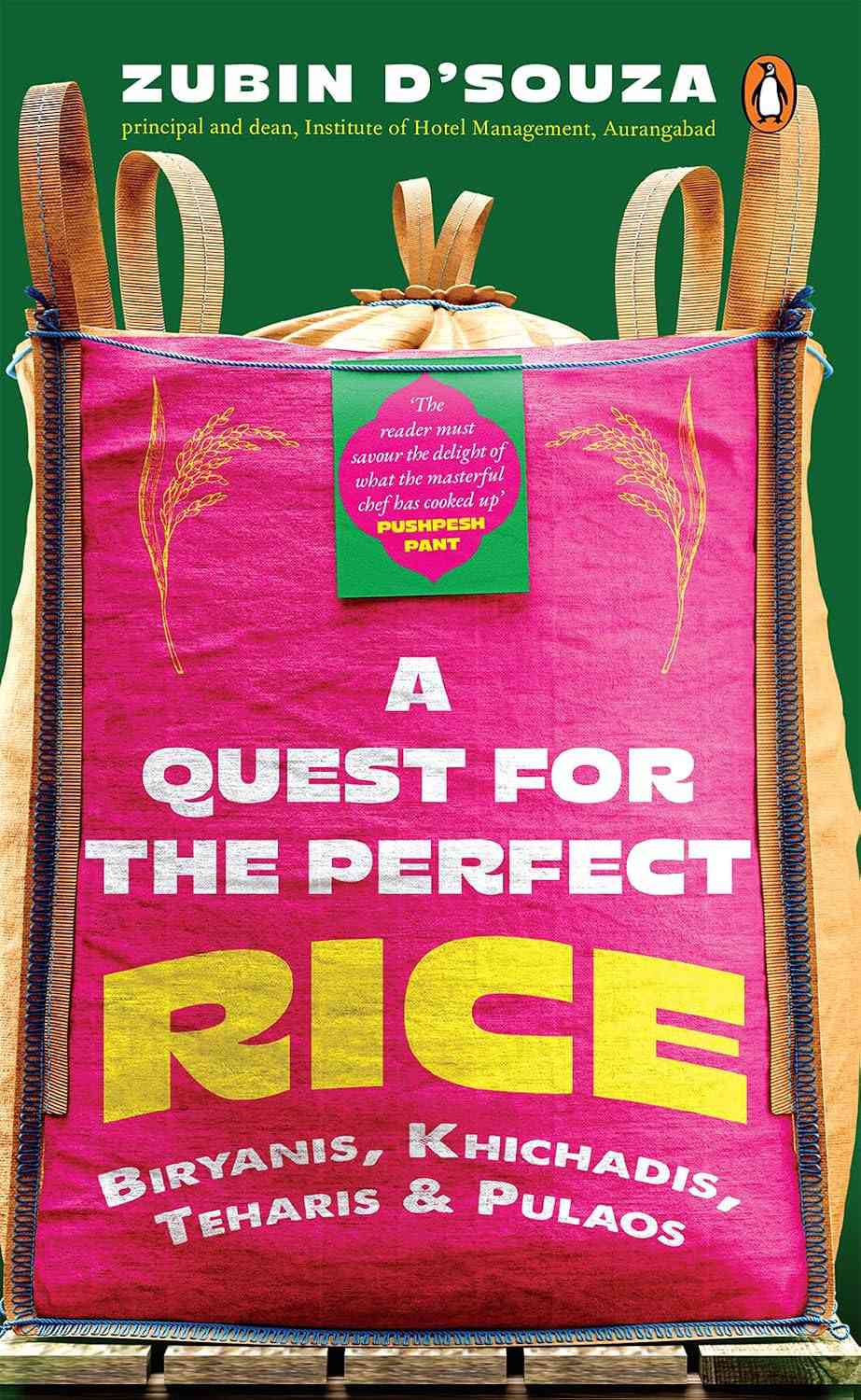
Excerpted with permission from A Quest for the Perfect Rice: Biryanis, Khichadis, Teharis and Pulaos, Zubin D’souza, Penguin India.
