




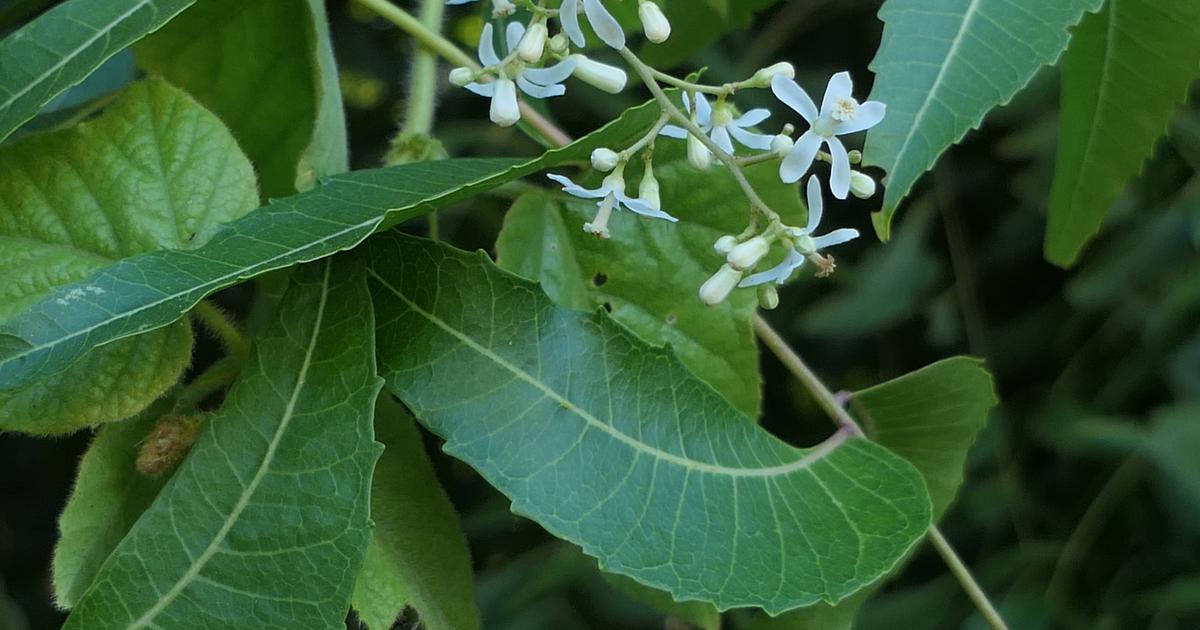
In 1994, a US company and the United States Department of Agriculture secured a European patent for a method of using neem extracts to control fungi. The neem tree, however, was not a discovery.
Across the Indian subcontinent, it had long been used in traditional medicine, agriculture, and furniture making, with its pesticidal properties documented in Sanskrit texts and embedded in everyday agricultural practice.
After a six-year legal challenge led by an Indian organisation named the Research Foundation for Science, Technology, and Ecology, supported by international allies, the patent was revoked in 2000. Five years after that, the decision was upheld on appeal, with the board ruling that the method lacked novelty and an inventive step, given its long-documented use in India.
Now, three decades later, the neem case looks less like an aberration than a template. The frontier has moved from isolated plant compounds to the systems-level ecological knowledge that smallholder and Adivasi communities have developed over generations.
The next dispute may involve a soil microbiome product, an agroecological decision-support tool, or a machine-learning model trained on data from traditional preparations. India’s current legal architecture is not designed to respond to it.
Why is this knowledge different?
Most public discussion of biopiracy still focuses on the misappropriation of specific biological resources: a plant compound, a seed variety, or a fermentation culture. The legal response has focused correspondingly on access and benefit-sharing rules, prior art databases, and geographical indication protections. These instruments work, imperfectly, for that kind of theft.
The most valuable ecological knowledge in contemporary India is not of this type. It is systems knowledge: an understanding of how multiple biological, climatic, and social variables interact in a particular landscape.
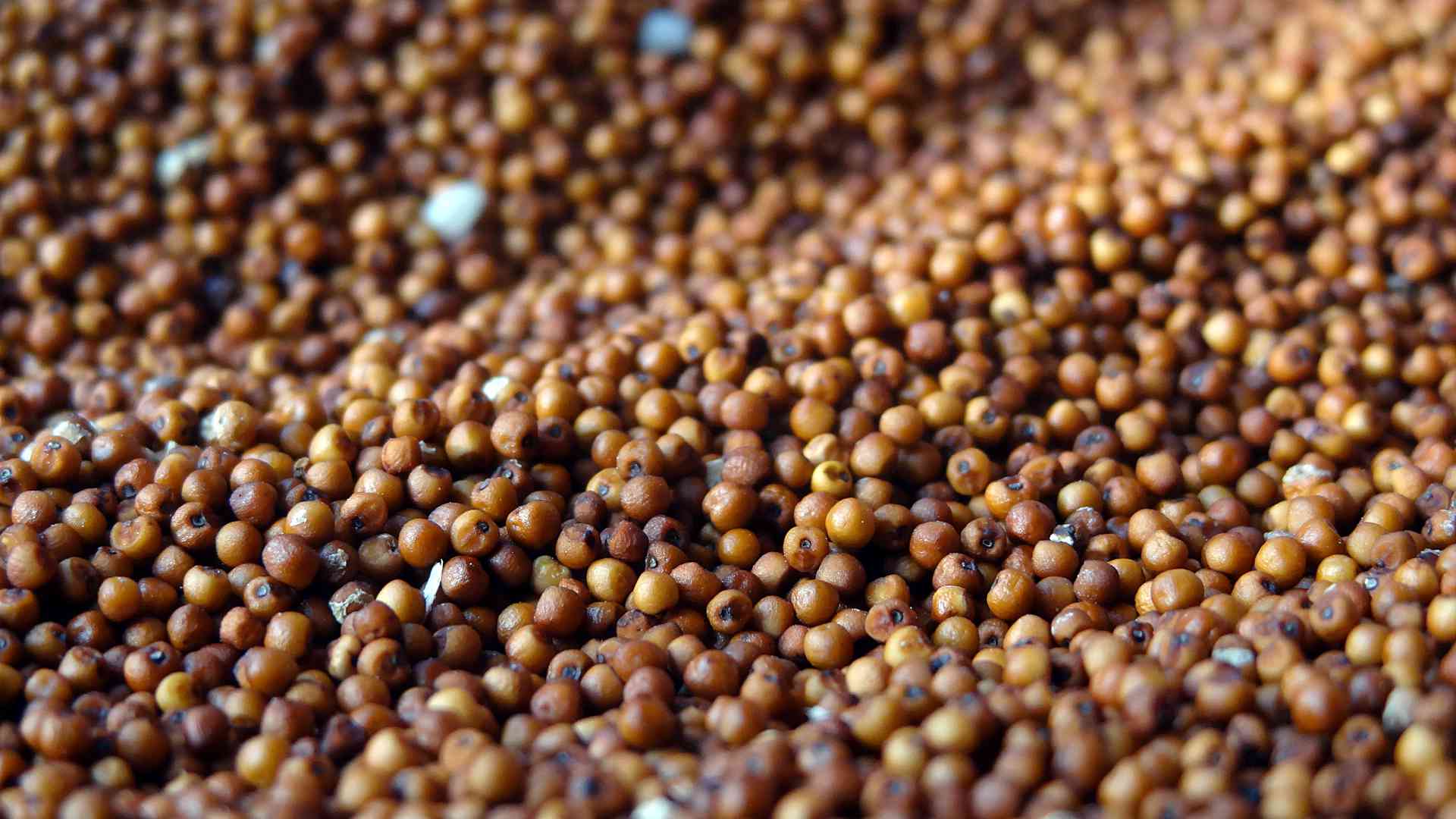
The Odisha Millets Mission has identified 163 millet landraces (a locally adapted, traditional variety of a domesticated plant, etc) from across the state. After participatory varietal trials with farmers, 14 were shortlisted, and four were officially released. They were selected for traits such as drought tolerance, waterlogging response, and pest behaviour that no formal plant breeding programme has matched at comparable cost.
Similarly, farmers practising natural farming across Karnataka and Andhra Pradesh have refined soil inoculant preparations over generations. Scientists are now studying the microbial communities in these preparations to better understand how they work.
None of this knowledge is secret. It is observable and accessible to any researcher willing to spend time in the field. That is precisely why it cannot be protected under the current law.
Three legal instruments, three structural gaps
The Biological Diversity Act of 2002 requires prior informed consent and benefit-sharing when biological resources (plants, microbes, etc.) are accessed for commercial use. But today’s research often derives value not just from the resource itself but from the community’s knowledge of how to cultivate, use, and manage it.
The Act does reach associated knowledge: benefit claimers include holders of knowledge relating to the use of biological resources, and benefit-sharing under Section 21 covers it. But that hook is tethered to accessing a physical biological resource. When value comes from the knowledge, or from the data derived from it, without the resource being accessed, the trigger does not engage.
The challenge becomes even more apparent when research on a traditional bio-input leads to commercial products. While the Biological Diversity Act regulates access to biological resources, it does not clearly address the traditional knowledge that underpins them.
The 2023 amendment further weakened these safeguards by removing the requirement for prior approval for Indian researchers. Instead, they are required to register only when a patent is granted. The amendment also exempted codified traditional knowledge and cultivated medicinal plants, even from informing state biodiversity boards. Although the first patent-linked benefit-sharing payment, around ₹43 lakh (₹4.3 million) to 16 state biodiversity boards, was made only in November 2025, the amendment has widened the gap.
The Patents Act, 1970, addresses the problem differently. Section 3(p) of the Act bars patents on traditional knowledge, while the Traditional Knowledge Digital Library (TKDL), a database of more than 400,000 formulations from Ayurveda, Unani, Siddha, Sowa Rigpa, and Yoga, has helped block, amend, or withdraw over 370 patent applications across 17 patent offices worldwide. This has been an important safeguard against the misappropriation of traditional knowledge. However, it does not grant communities legal rights to that knowledge. Moreover, if traditional knowledge is sufficiently modified, the new version may still qualify for a patent because the modification is treated as the invention.
A traditional soil inoculant cannot be patented. However, a product developed by analysing and improving that inoculant may qualify for a patent. In effect, Section 3(p) protects traditional knowledge in its original form, but not the commercial products developed from it.
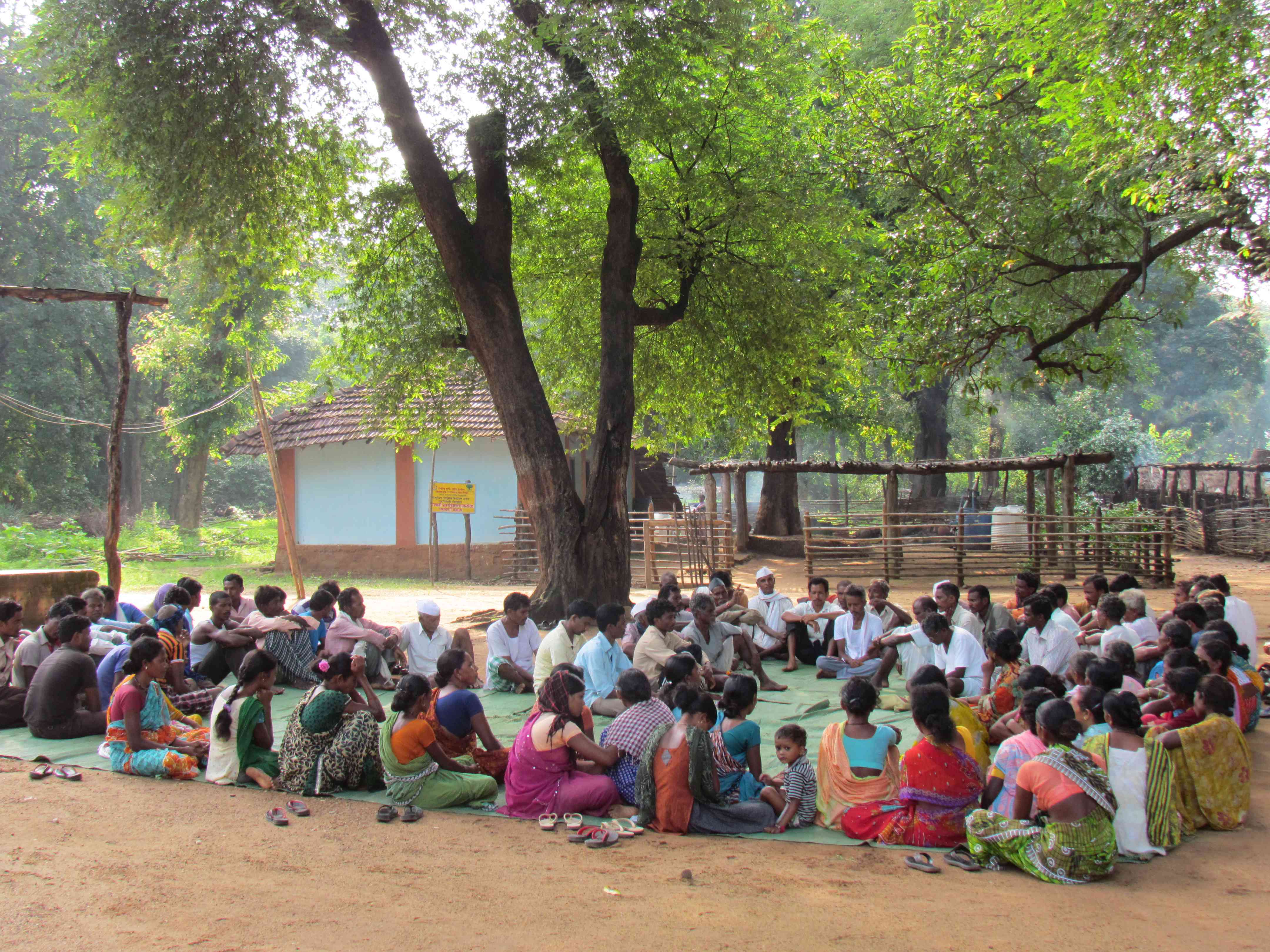
The Forest Rights Act (FRA) of 2006 recognised Adivasi communities’ rights to manage and use community forest resources. In principle, it could also provide a foundation for recognising their knowledge rights. In practice, however, that promise remains unrealised.
For example, implementation in tiger reserve buffer zones has been structurally constrained by the Wildlife Protection Act, with recognition of community forest rights pending or contested across multiple reserves. Communities whose land rights remain unresolved cannot credibly assert knowledge rights.
A faster pipeline
The urgency of the gap is driven by rapid advances in biotechnology. A decade ago, analysing the microbial composition of a traditional soil preparation required expensive DNA sequencing available to only a handful of research institutions.
Today, the same analysis has become relatively inexpensive and widely accessible through commercial DNA sequencing services. The resulting data can be analysed using free, open-source bioinformatics tools, and the results can train machine-learning models that predict soil health outcomes. As a result, the journey from traditional community practices to a commercially viable product can now take just a few years, at a cost accessible to small research groups.
The time between documenting community knowledge and developing a patentable commercial product from it has narrowed from decades to just a few years. Communities are often unaware that their practices are being analysed until products appear in markets. Unlike in the neem case, for which the TKDL was built, here the knowledge is not copied directly. It is being transformed into datasets and predictive models, and the resulting products bear no obvious fingerprint of their origin.
What is distinctive about India is the scale of its traditional ecological knowledge base and the sophistication of its legal instruments, though they are inadequately enforced.
Reforms within reach
Four reforms could begin to address the gap without new primary legislation.
First, extend the Biological Diversity Act’s benefit-sharing provisions to ecological knowledge derivatives, which means products derived from traditional ecological knowledge. The NBA could issue a clarification stating that algorithmic tools, datasets, and models that are demonstrably derived from traditional ecological knowledge are subject to benefit-sharing, regardless of whether physical material was accessed. Such a notification has interpretive rather than legislative power, particularly after the 2023 amendment, and would need to operate within the Act’s existing definitions. Documentation showing the origin of the data could serve as evidence to establish such links.
Second, replace the TKDL’s state-controlled model with community-held archives. Designed in 2001 as a defensive tool against foreign patent offices, the library has largely served that purpose. A successor framework should be community-held, updatable in local languages and, where appropriate, in oral formats and integrated into the minimum documentation lists of major patent offices. The critical distinction is that communities, not the state, should decide what is documented, who can access it, and in what form.
Third, anyone applying for a patent on an ecological technology should disclose the source of the underlying knowledge, biological material, or data. The Indian patent system already requires applicants to disclose the use of biological material in inventions and, in the case of AYUSH-related inventions, to address overlap with traditional knowledge. But it doesn’t contain any similar requirement for bioinputs, soil health tools, or agroecological decision systems.
When commercial value derives from community methods rather than from formally accessed biological material, applicants are not required to disclose their origins. Section 10(4)(d)(ii) of the Patents Act already requires applicants to disclose the source and geographical origin of biological material used in an invention.
Still, that duty is tied to the material itself. It does not reach an invention that uses no biological material, such as a dataset, a model, or a decision tool built from observations of community practice, and Section 3(p) bars only the unmodified knowledge, not a derivative built on it. Extending it to these categories would require applicants to declare whether traditional ecological knowledge was used, the community or region of origin, and whether benefit-sharing arrangements are in place.
The World Intellectual Property Organization’s Treaty on Intellectual Property, Genetic Resources and Associated Traditional Knowledge, adopted in May 2024, provides an international precedent for such an approach.
Fourth, integrate knowledge governance into tiger conservation plans prepared under the Wildlife Protection Act. The National Tiger Conservation Authority could require these plans to document active traditional ecological knowledge systems in the buffer zone, identify ongoing research, and specify attribution and benefit-sharing requirements.
From patent logic to biocultural rights
These reforms share a deeper assumption: that the patent model is inadequate for ecological innovations. Patents rest on the idea that inventions are discrete, attributable, and bounded in time. Ecological innovations are different. They are co-produced across human generations, across species, and across the slow feedbacks of managed and unmanaged ecosystems.
The efficacy of a millet landrace cannot be separated from the centuries of selection pressure under which it was maintained; the value of a soil inoculant cannot be separated from the soils, water regimes, and cropping systems in which it was developed. These are not background conditions to the invention; they are the inventions.
The framework of biocultural rights, developed most fully through the Colombian Constitutional Court’s 2016 Atrato River judgement recognises that communities hold rights not only to land and biological resources but also to the knowledge systems embedded in their relationship with those resources.
The judgement recognised the Atrato River as a rights-bearing entity and affirmed the biocultural rights of the Afro-Colombian and Indigenous communities along it. India’s constitutional provisions for scheduled tribes, combined with the substantive intent of the Forest Rights Act, are not inconsistent with this thinking. What is absent is the policy infrastructure to operationalise it.
The neem case took six years to resolve and required an international coalition. The next version of that dispute, involving a soil microbiome patent or an agroecological AI tool, will require a legal response that does not yet exist. It should be designed before the filing date, not after it.
Deepanjana Saha is a doctoral researcher at ATREE in Bengaluru, studying ecosystem services and land use.
Sarvesh JP is a research associate at BOBP-IGO, Chennai, working on coastal and marine social-ecological systems.
G Ravikanth is a senior fellow and Academy Convenor at ATREE.
This article was first published on Mongabay.
