










‘You cannot play with Indians’ right to privacy’: SC criticises WhatsApp, Meta’s 2021 policy
The court flagged the unavailability of a clear option for a user of the messaging platform to opt out of the privacy policy.
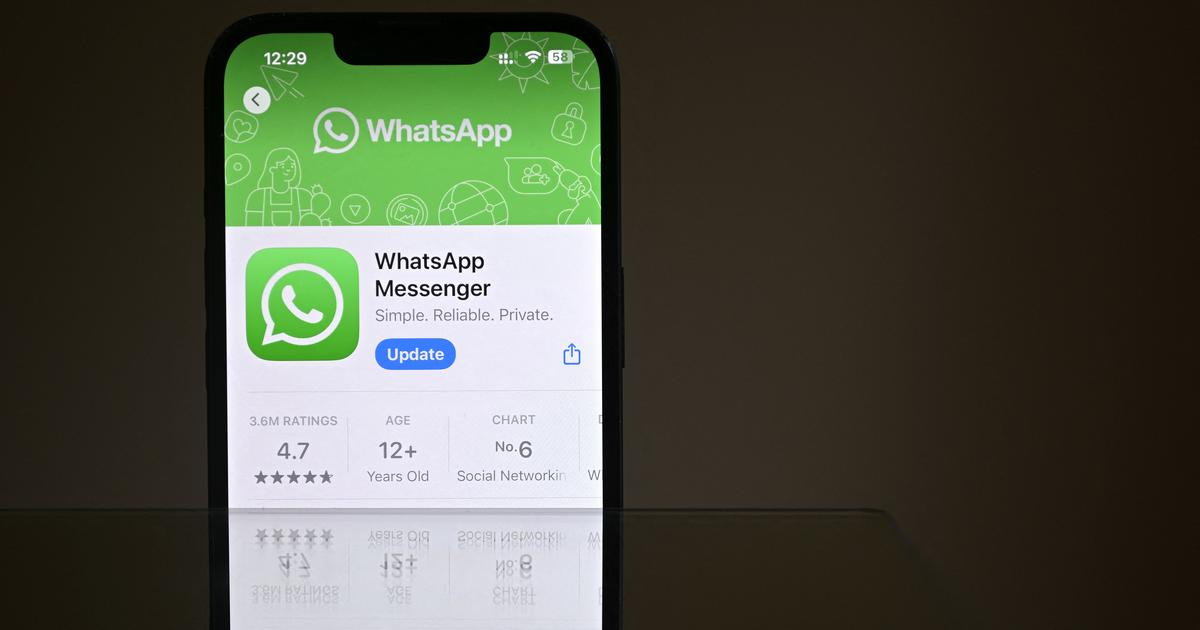
The Supreme Court on Tuesday criticised WhatsApp and its United States-based parent company Meta for what the bench described as the messaging platform’s “take it or leave it” privacy policy, saying that it appears to enable data theft, Bar and Bench reported.
A bench of Chief Justice Surya Kant and Justices Joymalya Bagchi and Vipul Pancholi also said that WhatsApp cannot expect to get away with violating the right to privacy of Indian users.
“You [WhatsApp and Meta] can’t play with the right of privacy of this country, in the name of data sharing,” Bar and Bench quoted the court as saying. “You are making a mockery of the constitutionalism of this country.”
The consumer had no choice because the technology company had created a monopoly, it added.
The court was hearing appeals filed by WhatsApp against a National Company Law Appellate Tribunal order upholding a Rs 213 crore penalty imposed by the Competition Commission of India on the messaging platform for its 2021 privacy policy.
WhatsApp had informed users in January 2021 about changes to its terms of service and privacy policy, which were effective from February 2021, the legal news portal reported. It also said that users had to accept the new terms and conditions to continue using the messaging platform.
The previous privacy policy from 2016 had allowed users to opt out of sharing data with the parent company. The updated policy made sharing data mandatory.
At the hearing on Tuesday, the bench flagged the unavailability of a clear option for a WhatsApp user to opt out of such a policy.
“Where is the question of opt out?” Bar and Bench quoted the court as asking the counsel for WhatsApp and Meta. “…This is a decent way of committing theft of private information! You know your commercial interest and you also know how you have made consumers addicted to the app.”
It added: “If the users have a right to opt-out, how will the users know this right exists? Let us see the option and the situation with the user. When it comes to opting out, the information is in a newspaper. How will a person know?”
Kant also asked the counsel for WhatsApp about whether its privacy policy was as transparent as it claimed.
The chief justice further asked how a street vendor would understand such terms and conditions.
“Can you imagine the kind of language you use!” the legal news portal quoted Kant as saying. “Every such condition must be examined!...How does the substantial part of the country going to understand your terms and conditions?”
However, the counsel representing WhatsApp and Meta said that only some data is shared, adding that the Indian government also had a data protection law in place. The counsel was referring to the Digital Personal Data Protection Act passed in 2023.
The Union government notified the rules in November, bringing the Act into effect.
But the court on Tuesday noted that the new legislation was yet to be enforced.
The chief justice also said that WhatsApp’s stated purpose was to provide messaging services, and not to collect and sell data.
Bagchi noted that the concern was also about the larger behavioural patterns that WhatsApp and Meta had been showing.
He added that the Digital Personal Data Protection Rules spoke about privacy.
“We are concerned [with] behavioural tendencies,” Bar and Bench quoted the judge as saying. “You are using the data for purpose of online advertising.”
But the counsel for WhatsApp and Meta said that the messaging platform was encrypted, adding that what was sent between two persons cannot be read by it.
During the proceedings, the bench suggested that WhatsApp file an affidavit explaining its privacy policy and how data sharing activities under it would work, Bar and Bench reported.
The court listed the matter for further hearing on February 9 after adding the Union government as a party to the case.
After WhatsApp changed its terms of service and privacy policy in 2021, the Competition Commission of India launched an investigation. In November 2024, the regulatory body held that the messaging platform’s new policy amounted to abuse of dominance under the 2002 Competition Act, Bar and Bench reported.
WhatsApp was directed not to share data collected on its platforms with Meta or its products for five years.
However, WhatsApp and Meta moved the National Company Law Appellate Tribunal against the order.
In November, the tribunal partly ruled in favour of WhatsApp by setting aside the Competition Commission of India’s finding that Meta had leveraged a dominant position in the over-the-top media messaging market to protect its position in online display advertising, Bar and Bench reported.
But it also upheld the Rs 213 crore penalty imposed by the regulatory body.
WhatsApp and Meta moved the court against the penalty imposed on them.
