







Top updates: Israel claims Iranian security chief killed in airstrike, UAE reopens airspace
Tel Aviv also claimed that the commander of Iran’s Basij paramilitary force was killed in a separate strike.
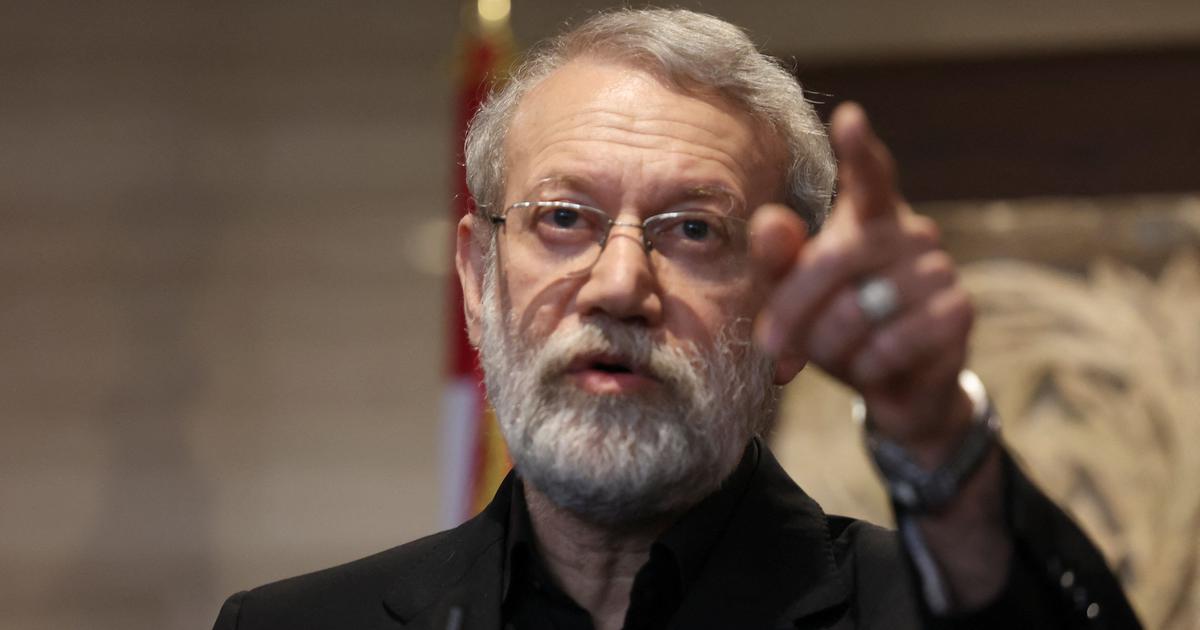
Israeli Defence Minister Israel Katz claimed on Tuesday that the Iranian security chief Ali Larijani has been killed.
Iran has not yet commented on the claim.
The Israeli defence minister’s statement came over two weeks after the United States and Israel launched an attack on the Iranian government on February 28. Tehran has retaliated by striking Israel and US military bases in the region, and targeting major cities in Gulf countries and some ships.
Here are more top updates from the conflict in West Asia:
- Israel’s defence minister on Tuesday claimed that Larijani, the secretary of Iran’s Supreme National Security Council, was killed in an Israeli airstrike, The Times of Israel reported. Tel Aviv also claimed that Gholamreza Soleimani, the commander of Iran’s Basij paramilitary force, was killed in a separate strike. Tehran has not yet commented on the claims.
- The Indian Ministry of External Affairs on Tuesday said that it was speaking with Iran and other countries to safely bring back Indian ships from the Strait of Hormuz. New Delhi also said that regarding humanitarian aid, it was in talks with Iran “on a number of issues”.
- In Sri Lanka, AFP quoted an official as saying that the government has urged the private sector to declare every Wednesday a holiday. The authorities have suspended public ceremonies and asked government employees to work from home when possible to conserve fuel, the news agency reported.
- The price of benchmark Brent crude spiked 3% on Tuesday to reach nearly $104 per barrel. The price was about $72.8 per barrel on February 27, a day before the conflict began. Global oil prices have continued to rise after Iran effectively blocked the Strait of Hormuz, the narrow waterbody connecting the Gulf to the Arabian Sea, for most international commercial vessels. About 20% of global petroleum supply passes through the maritime chokepoint.
- The authorities in the United Arab Emirates on Tuesday reopened the country’s airspace, Gulf News reported. The airspace had been closed on Monday as a precautionary measure amid continued attacks by Iran on cities such as Dubai, Abu Dhabi and Fujairah.
- Falling debris from an intercepted missile killed a Pakistani citizen in Abu Dhabi, the city authorities said Tuesday. The incident took place in the Bani Yas area.
- Hundreds of Iranians, including more than 200 children, have been killed in the Israel-US bombings, the country’s Foreign Minister Abbas Araghchi said on Monday.
- Israel’s Health Ministry said that more than 3,500 persons had been injured since the conflict began. Eight of them are in serious condition.
The conflict in West Asia began on February 28 after Israel and the US launched a joint operation to “degrade the capabilities” of the Iranian government.
The joint attacks came amid tensions between the three countries over Tehran’s nuclear programme. Washington acts as a guarantor of Israel’s security. Israel has been claiming that Iran is close to obtaining a nuclear weapon, which could alter the regional security balance.
Tehran has long maintained that its nuclear programme is for civilian purposes.
The International Energy Agency on Thursday said that the fighting has caused the “largest supply disruption in the history of the global oil market”.
Also Read: As conflict rages in the Gulf, many are focussed on oil – but water is also a major concern
