




Umar Khalid moves SC seeking review of bail denial in Delhi riots larger conspiracy case
In January, the Supreme Court had held that the activist can seek bail after protected witnesses are examined or after one year.
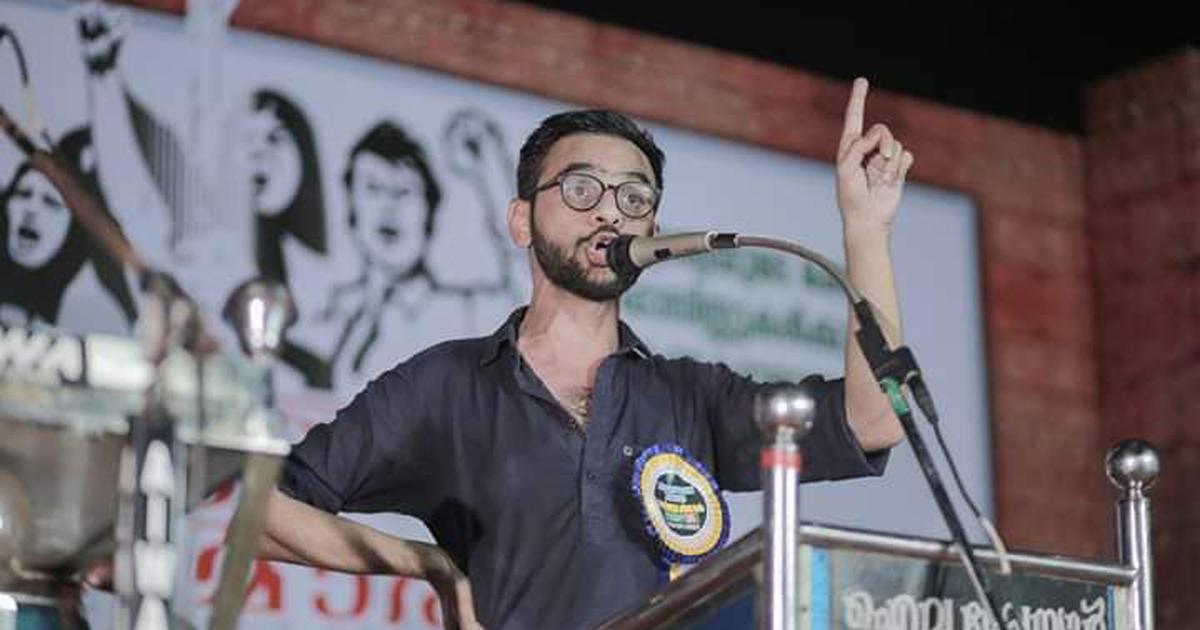
Activist Umar Khalid has filed a review petition in the Supreme Court challenging its January 5 order denying him bail in the Delhi riots conspiracy case, Live Law reported on Monday. The matter was listed for hearing on Wednesday.
On January 5, the court had denied bail to Khalid and activist Sharjeel Imam in the case. A bench of Justices Aravind Kumar and NV Anjaria had, however, granted bail to Gulfisha Fatima, Meeran Haider, Shifa-ur-Rehman, Shadab Ahmed and Muhammad Saleem Khan.
In its order rejecting bail for Khalid and Imam, the bench had said they could file fresh petitions after all protected witnesses are examined or after one year.
The court had been hearing their petitions jointly challenging the Delhi High Court’s September 2 judgement dismissing their bail applications.
The activists were arrested between January 2020 and September 2020 in connection with the communal violence that broke out in North East Delhi in February 2020 between supporters of the contentious Citizenship Amendment Act and those opposing it. The violence had left 53 dead and hundreds injured. Most of those killed were Muslims.
The accused were charged under the Unlawful Activities Prevention Act, the Prevention of Damage to Public Property Act, the Arms Act and sections of the Indian Penal Code.
The police have claimed that the violence was part of a larger conspiracy to defame the Narendra Modi government and was planned by those who organised the protests against the amended Citizenship Act.
Watch: ‘Detention without trial violation of rights’: Banojyotsna Lahiri on CAA, godi media and Umar Khalid
After the High Court denied bail on September 2, the activists approached the Supreme Court.
In an affidavit filed in the Supreme Court in October, the Delhi Police opposed their pleas, calling their alleged actions part of a coordinated “regime change operation” under the guise of civil dissent. The police also alleged that the petitioners were “playing the victim card” due to long incarceration and were responsible for delaying the trial for “mala fide and mischievous reasons”.
The accused had said that they were exercising their right to peaceful protest and argued that the case criminalises dissent. They had also contended that their prolonged incarceration amounts to punishment before conviction.
In its January order, the Supreme Court said delay in Unlawful Activities Prevention Act trials cannot act as a “trump card” overriding statutory safeguards. It had also said that while bail in cases under the anti-terror law is not given as a matter of routine, the “law does not mandate denial of bail as default and does not exclude the court’s jurisdiction to allow bail”.
Also read:
