











Iran says it will close Strait of Hormuz, accuses US and Israel of violating ceasefire deal
The announcement came on the day Israeli strikes in Lebanon killed at least 32 persons.
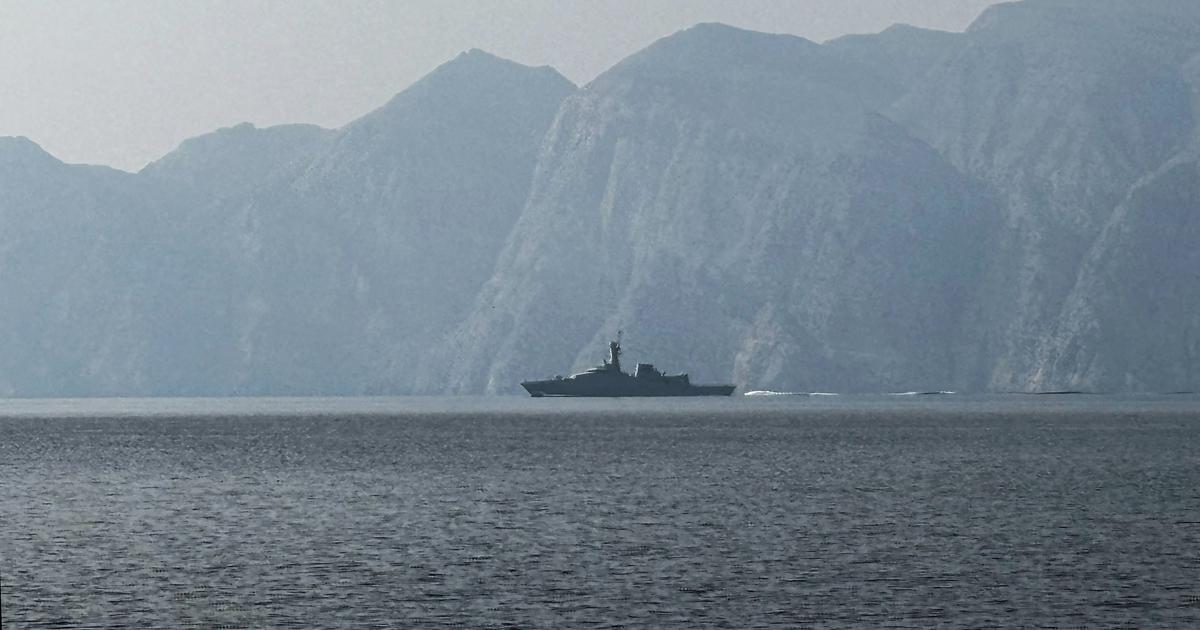
Iran’s top joint military command said on Saturday that the Strait of Hormuz would be closed to vessel traffic, citing alleged violations of a ceasefire agreement by the United States and Israel, Reuters quoted Iran’s Mehr state news agency as saying.
It was unclear when the closure would take effect.
The Khatam al-Anbiya Central Headquarters said that the closure was the “first step” in response to what it described as breaches of commitments and warned that further measures would be taken if “aggression” continued.
The announcement came on the day Israeli strikes in Lebanon killed at least 32 persons, Al Jazeera reported. It also came three days after the leaders of the US and Iran signed a 14-point memorandum of understanding to end the war between their countries, as well as Israel’s military assault on Hezbollah in Lebanon.
Earlier in the day, US Vice President JD Vance said that he expected to travel to Switzerland for talks with Iran in the coming days to help cement the agreement.
“I expect that I will leave sometime in the next couple of days, but it’s always a delicate coordination dance and the diplomatic protocols,” Vance told Fox News.
US envoys Steve Witkoff and Jared Kushner, President Donald Trump’s son-in-law, were also reportedly expected to travel to Switzerland after negotiations were postponed earlier in the week.
Israel’s continued attacks in Lebanon had raised uncertainty about whether Iranian officials would participate in the talks. However, Iran’s state television reported on Saturday that the country’s negotiating team would travel to Switzerland on Saturday, AFP reported.
The war
The US and Israel launched an attack on Iran on February 28, claiming that Tehran’s action posed an existential threat to Israel. Washington acts as a guarantor of Israel’s security. Iran retaliated by striking Israel and US military bases in the region, targeting major cities in Gulf countries and ships.
Since the conflict began, the Strait of Hormuz, the narrow waterbody connecting the Gulf to the Arabian Sea, has effectively been blocked for most international commercial vessels, triggering a global energy crisis. About 20% of global petroleum supply passes through the maritime chokepoint.
On May 21, International Energy Agency chief Fatih Birol said that a continued blockade of the strait and depleting fuel storage could push the global oil market into the “red zone” in July or August.
The peace talks between Iran and the US that were held in Islamabad, Pakistan collapsed on April 12, but the ceasefire in the region had largely held for nearly two months. Last week, Israel-US and Iran exchanged several rounds of fire.
Israel has been claiming that Iran is close to obtaining a nuclear weapon, which could alter the regional security balance. Tehran has long maintained that its nuclear programme is for civilian purposes.
Also read:
In deal with Iran, US is giving up a lot for very little in return
US, Israel have nothing to show for meaningless war that puts Iran in stronger position
