









SIR: UN special rapporteurs flag concerns about targeting of minorities, discriminatory rhetoric
They also noted that worries have been expressed about the use of artificial intelligence to flag alleged irregularities in voter data.
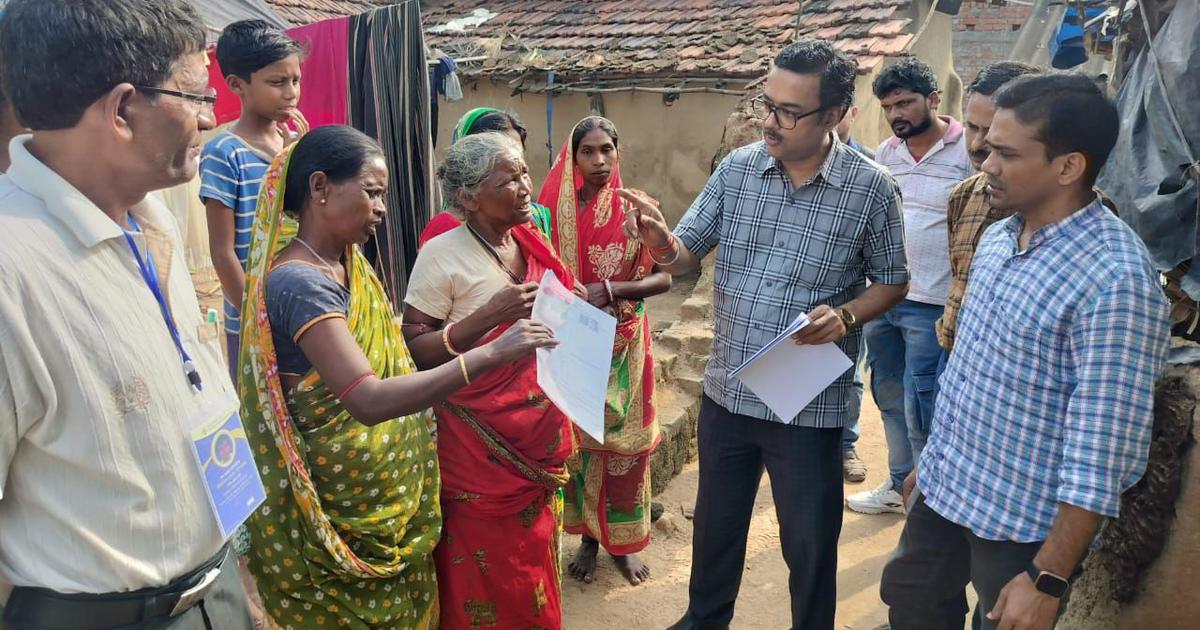
Three United Nations special rapporteurs have written to the Indian government expressing concern about the large-scale removal of names from electoral rolls through the special intensive revision exercise, saying that minority groups may be particularly affected.
The special rapporteurs, in a letter on May 1, also noted that worries have been expressed about artificial intelligence allegedly being used to flag alleged irregularities in voter data, which they said could lead to questions about “transparency, errors and potential bias”.
The letter noted that nearly 52 million names have been removed from the electoral rolls across 12 states and Union Territories through the special intensive revision exercise. “West Bengal has been particularly affected, where a total of 9.1 million names were reportedly deleted from the register,” it added.
The third phase of the special intensive revision exercise is underway in 16 states and three Union Territories.
The document has also raised concerns about the alleged deletion of voters’ names due to minor spelling discrepancies, “discriminatory rhetoric” by politicians against minorities, and inadequate time for tribunals to hear appeals.
“Senior government officials, including the Union Home Minister [Amit Shah], have reportedly publicly framed the deletion of voter names as targeting illegal Bangladeshi immigrants, a rhetoric that conflates legitimate Indian Muslim citizens with foreign nationals,” the document said.
The communication said that such rhetoric amounts to potential “incitement to discrimination within the meaning of Article 20(2) of the International Covenant on Civil and Political Rights, ratified by India.
The letter highlighted the impact of the special intensive revision on the 2026 West Bengal elections, taking note of reports that 95% of the deleted voters in Nandigram constituency were Muslims, even though Muslims only make up 25% of the constituency’s electorate.
On May 27, the Supreme Court upheld the legality of the special intensive revision of electoral rolls conducted by the Election Commission, saying that the exercise “advances the constitutional imperative of free and fair elections”.
A similar communication was sent by the United Nations special rapporteurs in December 2018 during the updation of the National Register of Citizens in Assam. The officials had then also questioned the Election Commission’s role in the exclusion of ethnic, religious and linguistic minorities from the contentious exercise.
The National Register of Citizens was updated in Assam in 2019, after a mammoth scrutiny of ancestral family documents to weed out “illegal immigrants”, and ended up excluding 19 lakh residents of the state. The updated list, however, has not been notified over six years on.
Written by Anamika Pathak. Edited by Neerad Pandharipande.
Also read:
Data analysis: How SIR deletions shaped BJP’s landslide in Bengal
