






Withdraw mandatory declaration on parents’ inclusion in previous SIR, CPI(M) MP urges EC
John Brittas said that the ‘arbitrary requirement’ would create an unjust burden on millions of people who may not have access to decades-old electoral records.
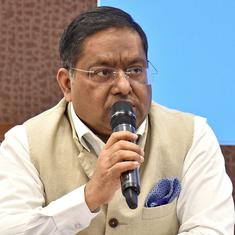
Communist Party of India (Marxist) MP John Brittas on Monday urged the Election Commission to withdraw a new declaration added to the online version of Form 6 on the ECINET portal that requires applicants to state whether they or their parents were included in the last special intensive revision of electoral rolls.
The new declaration appears only in the online Form 6 available on the ECINET portal. The downloadable statutory version of the form remains unchanged.
Wrote to the Chief Election Commissioner @ECISVEEP challenging the legality of the Election Commission's introduction of a ‘new mandatory declaration’ in the online Form 6 for voter registration through the ECINET portal.
— John Brittas (@JohnBrittas) July 13, 2026
This is not merely a technical change. It is a serious… pic.twitter.com/wAtyskBBV2
Form 6 is used by persons applying to be included in the electoral roll after turning 18, acquiring Indian citizenship or if their name has been deleted from the voter list.
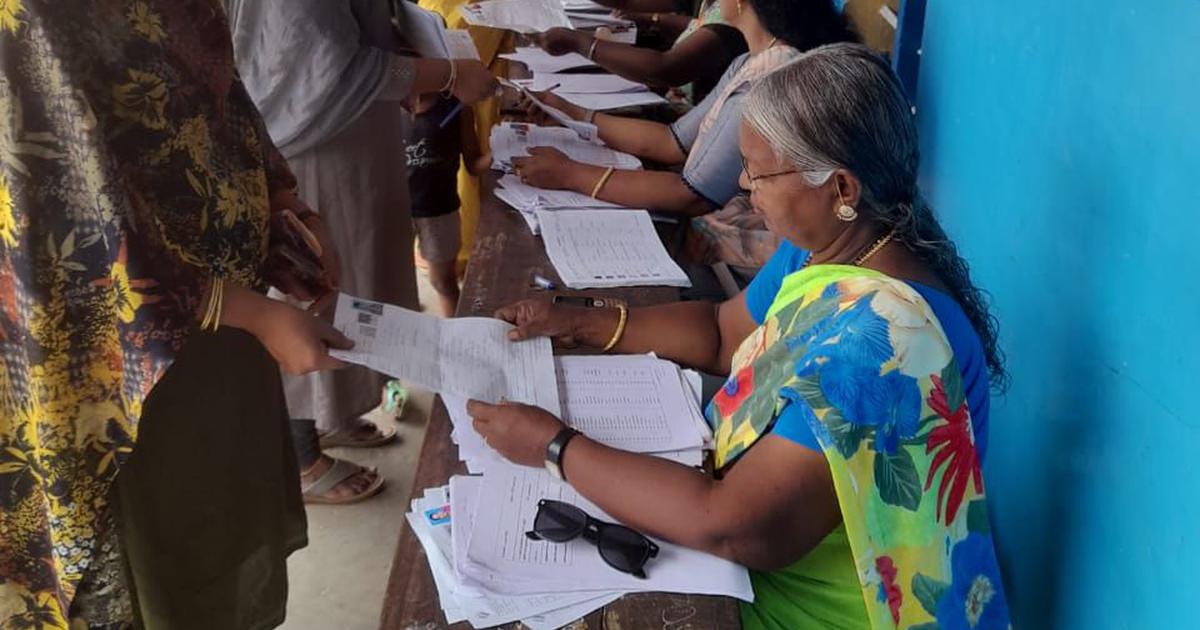
The change to the new voter registration form came as the third phase of the special intensive revision exercise is underway in 16 states and three Union Territories.
The form has not been amended since the Election Commission began the special intensive revision in June 2025. Section 28 of the Representation of the People Act, 1950 says that only the Union government can amend the rules governing electoral forms, including Form 6.
Although the new declaration is not marked as mandatory, applicants cannot submit the online form without filling it.
The added section asks applicants to choose one of the three options: “my name exists in electoral roll of last SIR, my parents name (father, mother, grandfather, grandmother) exists in the electoral roll of last SIR, neither my name nor my parents name exists in the electoral roll of last SIR”.
Those selecting the first two options must provide details such as the Assembly constituency, booth number and serial number from the earlier electoral roll. It is unclear what applicants should do if they do not have these details.
On Monday, in a letter to the poll body, Brittas argued that the Election Commission had no legal authority to alter a statutory form through administrative instructions.
“Form 6 is not an administrative document that can be modified at executive discretion,” Brittas said in his letter. “Once a form is prescribed by statutory rules, it becomes an integral part of subordinate legislation.”
He added: “It can be altered only in the manner recognised by law, namely through amendment of the rules by the competent authority following the prescribed statutory procedure.”
“If this is allowed, tomorrow any statutory safeguard governing voter registration can be altered through a change in the portal, without amending the rules, without parliamentary oversight and without authority of law,” he said in a social media post. “That strikes at the very foundation of the rule of law.”
Brittas argued that the “arbitrary requirement” could create hurdles to voter registration for “millions of first-time voters, students, migrant workers, internally displaced persons, adopted children, orphans, persons estranged from their families and citizens whose parents or grandparents have migrated across constituencies over several decades may have no practical means of furnishing legacy electoral particulars”.
“A requirement incapable of reasonable compliance by large sections of the electorate inevitably operates as a barrier to electoral inclusion,” the letter said.
Written by Tanya Shrivastava. Edited by Neerad Pandharipande.
