









The recent Gen Z protests in Nepal resulted in violence and numerous deaths, but also created the hope for a more just and equitable future. Nepal’s current interim prime minister is a woman, for the first time in the country’s history. Nepali-American filmmaker Nani Sahra Walker, whose Shakti was screened at the recently concluded International Film Festival of India, sees this as a positive sign.
“It is an important signal, but real change depends on how boldly these new priorities are carried forward,” said the Oscar-winning director, who was born and raised in Kathmandu and now lives in the United States. “Nepal is at a pivotal moment where leaders can choose to prioritise women’s rights and caste equity in a real, structural way. Nepal has fallen far behind much of Asia, and young people are demanding better governance – demands that are rooted in something very basic: the right to safety, dignity, and justice.”
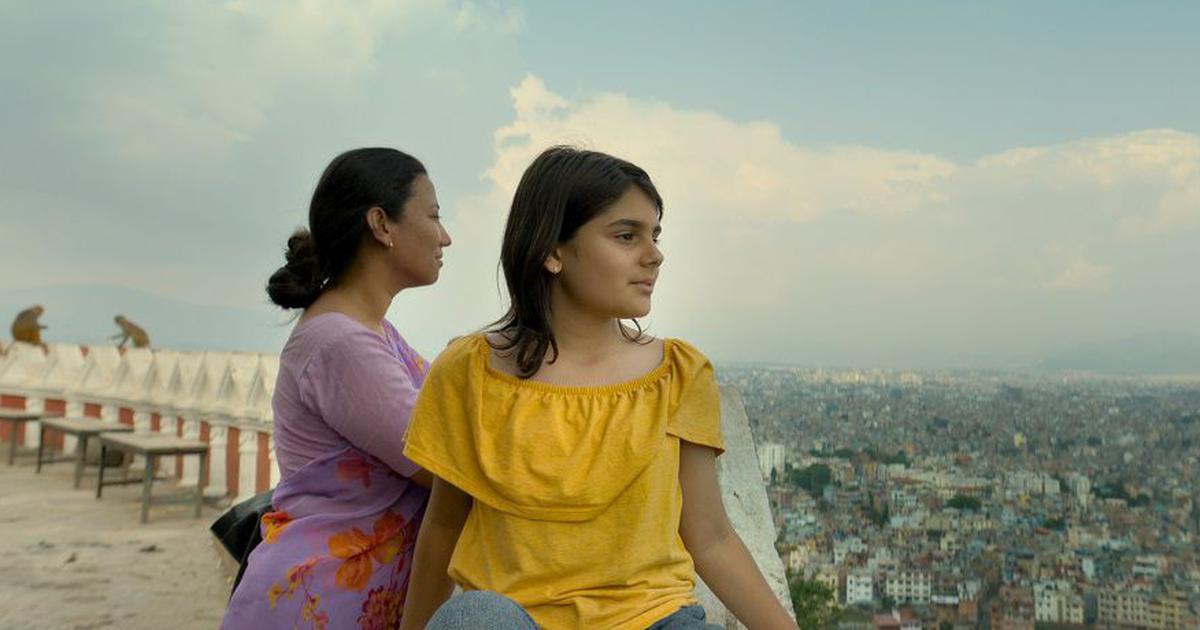
Shakti follows the travails of a single mother, who works as a sanitation worker in a hospital, and her talented nine-year-old daughter. When Lila (Polina Oli) becomes the victim of abuse, Durga (Laxmi Bardewa) struggles to deal with the situation, which reminds her of her own past. The film explores caste-based discrimination, gender-based violence, social apathy towards women and corruption.
“Women from oppressed caste communities face multiple layers of discrimination, and the consequences are often harsher and more enduring,” Walker said. “At the same time, dominant-caste women are also impacted by patriarchy in very real ways. Addressing these systems isn’t just about protecting one group – it’s about shifting the entire social structure so everyone can benefit.”

Walker has executive produced the short documentaries Kylie (2023) and Merman (2023). In 2024, Walker won the Oscar for Best Documentary Short for The Last Repair Shop. She chose to make her feature debut with a fictional film to protect the privacy of survivors of abuse.
“A narrative film allows me to address the truth of the moment without exposing real individuals to further harm,” Walker said. “The feature format gave me the creative and ethical space to speak to the emotional reality of what happened, while keeping survivors safe.”
Shakti addresses a controversial legal provision in Nepal, according to which a survivor of sexual violence must report the crime a year. In 2022, the statute of limitations was increased to two years following protests by women’s groups.
“Reforming laws like this isn’t symbolic – it directly impacts survivors’ ability to seek justice and helps shift the social and political landscape toward accountability,” Walker said. While Shakti is inspired by actual incidents, it seeks to “reflect the wider landscape of violence against women and children in the region and the urgency of addressing it”, Walker added.
