







The Academy of Motion Picture Arts and Sciences that organises the Oscars every year has a tendency to overlook great directors and brilliant films. Martin Scorsese has won only once, for The Departed (2006), one of his more conventional films as well as a Hollywood remake of the Hong Kong hit Infernal Affairs.
Paul Thomas Anderson is another writer-director who has been overlooked at the Oscars. Every time it felt that Anderson would get his hands on the golden statuette, he was bested by inferior films.
He has been nominated in the directing category thrice before. He lost out on There Will Be Blood to the Coen brothers’ No Country For Old Men. Anderson wasn’t even nominated for Boogie Nights or The Master.
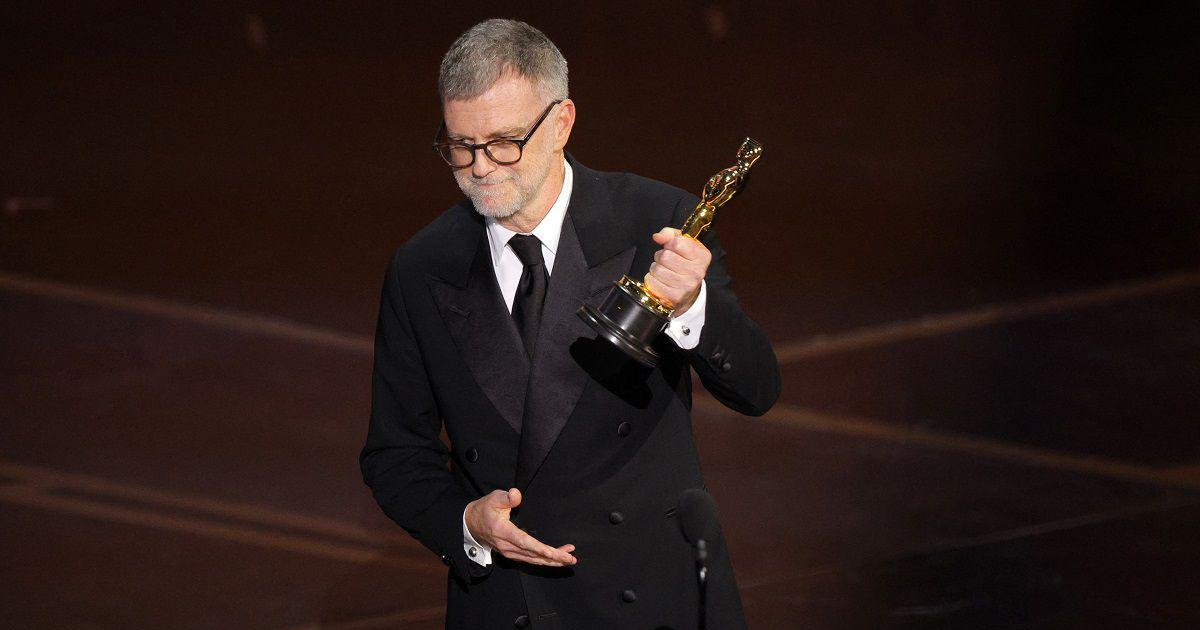
On Sunday, Anderson’s brilliance in direction was finally acknowledged. The 55-year-old filmmaker won the Best Directing Oscar for his masterpiece One Battle After Another. Anderson also won the Adapted Screenplay Oscar.
What worked against Anderson in the past – his films are so-called prestige projects, more artistic than money-minded, has moved in his favour. The Oscars were famous – notorious even – for privileging box office success over artistry. The Best Picture was usually one of the previous year’s blockbusters; the topmost director the one who kept studios and cinema chains happy.
That has changed in recent years. It’s not entirely to the liking of older voters, as numerous reports in American trade publications attest, but it’s more in line with the taste of international film festivals, where directors such as Anderson are more celebrated.
Anderson’s films are rigorously written studies of human nature. Desperadoes and despots, romantics and cynics, comics and sad sacks, all of them find a place in Anderson’s empathy-laden universe. The self-taught filmmaker’s command over cinematography, editing and music are part of the experience.
The deceptively simple-looking One Battle After Another has several stylistic flourishes. The film captures the urgency of its characters through horizontal, vertical and forward movements. The extended climax has a chase sequence on an undulating highway that outdoes big-budget action thrillers.
Anderson also adores actors and get career-best performances out of them. In One Battle After Another, Teyana Taylor haunts the narrative despite being there for just 40 out of 162 minutes, first through her physical presence and later through her voice.
Leonardo DiCaprio has never been better. Sean Penn and Benico del Toro are unforgettable every time they are on the screen. Under Anderson’s tutelage, all of them strive to bring their A-game. That’s what Best Directors do.
