







In 1973, the Roe v Wade judgement of the US Supreme Court gave women across America the right to have an abortion before the foetus is viable outside the womb, or before the 24–28-week mark. But on 24 June 2022, the US Supreme Court overturned the constitutional right to abortion.
In India, abortion was legalised in 1971, with the enactment of the Medical Termination of Pregnancy (MTP) Act, 1971. Since then, it has been amended several times, each time to liberalise its provisions. For instance, in 2021, the law was amended to allow women to seek safe abortion services on grounds of contraceptive failure, an increase in the gestation limit to 24 weeks for special categories of women, and to take the opinion of one abortion service provider for up to 20 weeks of gestation.
The speech excerpted here is from that first debate in 1971 that preceded the passage of India’s first abortion law. Until that time, termination of pregnancy was permitted under Section 312 of the Indian Penal Code only to pregnant women who were in danger of losing their lives.
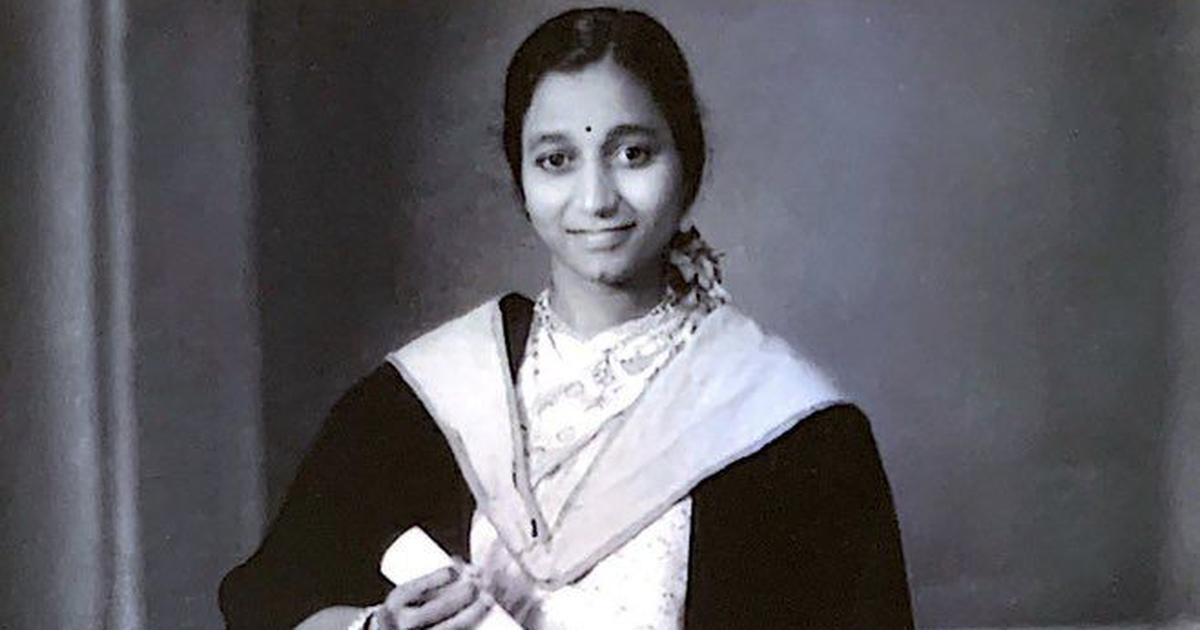
Lakshmi Kantamma was elected to the Lok Sabha from Khammam in united Andhra Pradesh in 1962, 1967 and 1971 as a member of the Indian National Congress. She opposed the imposition of the Emergency in 1975 and joined the Janata Party in 1977. In a rich and varied political career that lasted over three decades, she focused her attention on the empowerment of women – campaigning to help permit women to sit for the IAS examination, fighting to secure the right to property for them, and battling to ensure that more women were allowed to contest elections. The opportunity to become a minister came to her several times but she refused every time, saying she would better serve the people from outside the corridors of power. She did, however, influence the politics of many frontranking politicians, the most notable being former Prime Minister PV Narasimha Rao.
Here, she makes a plea for women to be allowed “to control their destiny”, in an admirably brief speech.
Lok Sabha: August 2, 1971
Medical Termination of Pregnancy Bill
Mr Deputy Speaker, Sir, I welcome the Medical Termination of Pregnancy Bill. This Bill was long overdue and many countries in the world have already passed the Bill legalising abortion. Sir, in our epics, we read that Vishwamitra and Menaka had a love affair and a child named Shakuntala was born. The child Shakuntala was thrown into the wilderness, and Kanva Maharishi saw the child, took the baby and tended it with a mother’s affection …
Recently we read in the papers that a four-month pregnant British woman Member of Parliament called a press conference and announced that she is pregnant but refused to tell who was responsible for it, and said that “my morals are my private affair”, and her Party has agreed to give her a party ticket and support her in the next elections.
Sir, what I have been saying is neither have we Kanva Maharishi to tend to discarded children nor is our society so forward – we are politically forward but socially we are backwards – so as to say like the British woman Member of Parliament that my morals are my private affair. Sir, it is not as though only unmarried women have been seeking abortion.
According to the Report, either of the UN or the Health Ministry, 87 per cent to 95 per cent of abortions are among married women due to economic, social or other causes. Sir, this is what the survey revealed. The survey was conducted in a number of institutions here and abroad. As some Members have already pointed out, either you legalise abortion or leave the fate of a woman in the hands of the quacks because the medical practitioners refuse to undertake this because of fear of illegality.
Then the women go to the quacks where they are treated. Somebody said they even treat their dogs very carefully but not the lives and body of a woman who goes to these quacks. So, mostly it is a play with death. Because of these quacks, there is so much mishandling of the whole thing and there is a lot of bleeding. I myself know a number of instances where a woman having six to seven children, because she is so nervous of getting another baby, goes to these quacks and there she gets an abortion and later, when she goes home, there is no medical help and … the mother dies, leaving these six or seven children. Leave aside the baby that is to come, the children that are living are made destitute.
Our friend here, I am told, is an advocate and he has brought to the notice of the House certain lacunae in the Bill. I hope the Ministry will take note of this lacunae and see that it is amended properly. When you legalise abortion, you should have more facilities, because a number of people may be going to hospitals for seeking help. So, you should provide more facilities.
Some argue that children are a treasure. Nobody questions it. For the mother, they are more so. But what can she do? Should she bring up a child and make it suffer? To the moralists, the words of Edris Rice-Wray, Director of the Maternal Health Association Clinic, Mexico City, are the answer. He says: “I would like to challenge all those of good conscience to an act of imagination. Go straight to spend 24 hours in a poor house with many children. Sleep on the floor with meagre food, cockroaches and rats around, lack of sanitary facilities and absence of privacy. Share the desperation of the mother who cannot provide enough for the child and yet carries another in her body. Do you think you can deny her the right to control her destiny?” With these words, I support the Bill.
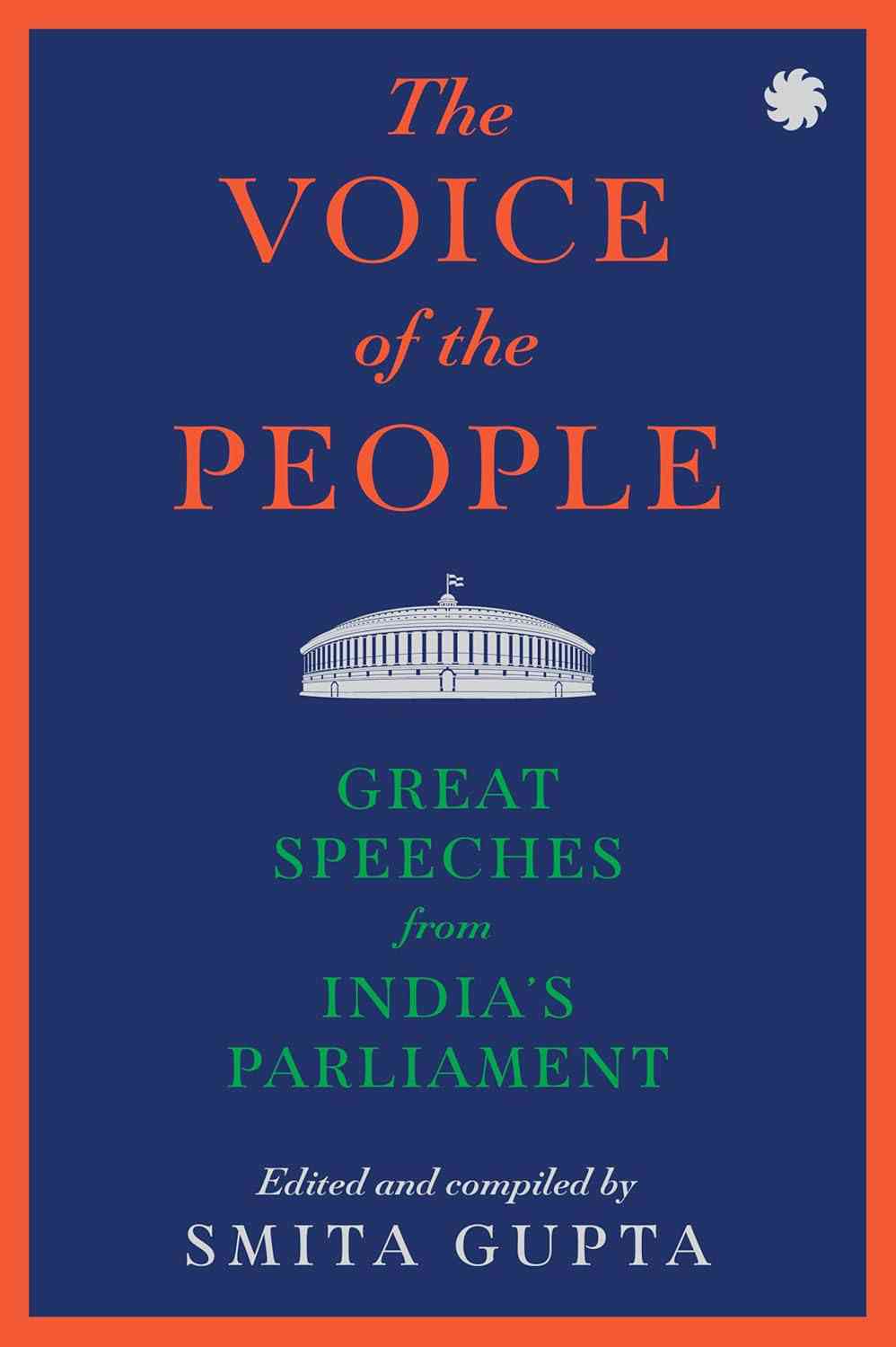
Excerpted with permission from The Voice of The People: Great Speeches From India’s Parliament, edited and compiled by Smitha Gupta, Juggernaut.
