



“Many a night, I was jolted awake with the sense of an ominous presence looming above me, right next to my bed. I would struggle to break free, my mouth stretching wide open in a scream that remained stuck in my throat even as a dark ginormous energy filled the room, sucking out the oxygen from my lungs. Though I tried screaming for help, I remained paralysed, my hair standing on end, sweat bending my forehead as I lay helpless, consumed by the presence of this spirit, which stared at me unmoving, its blood-red eyes awash with anger. Fighting off my sleep paralysis, I would scramble to turn on the lights and the presence would fade away. I would pad through the house which was quiet, air coolers humming in the distance, the guard on his duty round and my parents fast asleep. I would try and calm myself down by drinking cold water, switching on as many lights as possible and checking all the rooms and the bathrooms before reluctantly getting back into bed.”
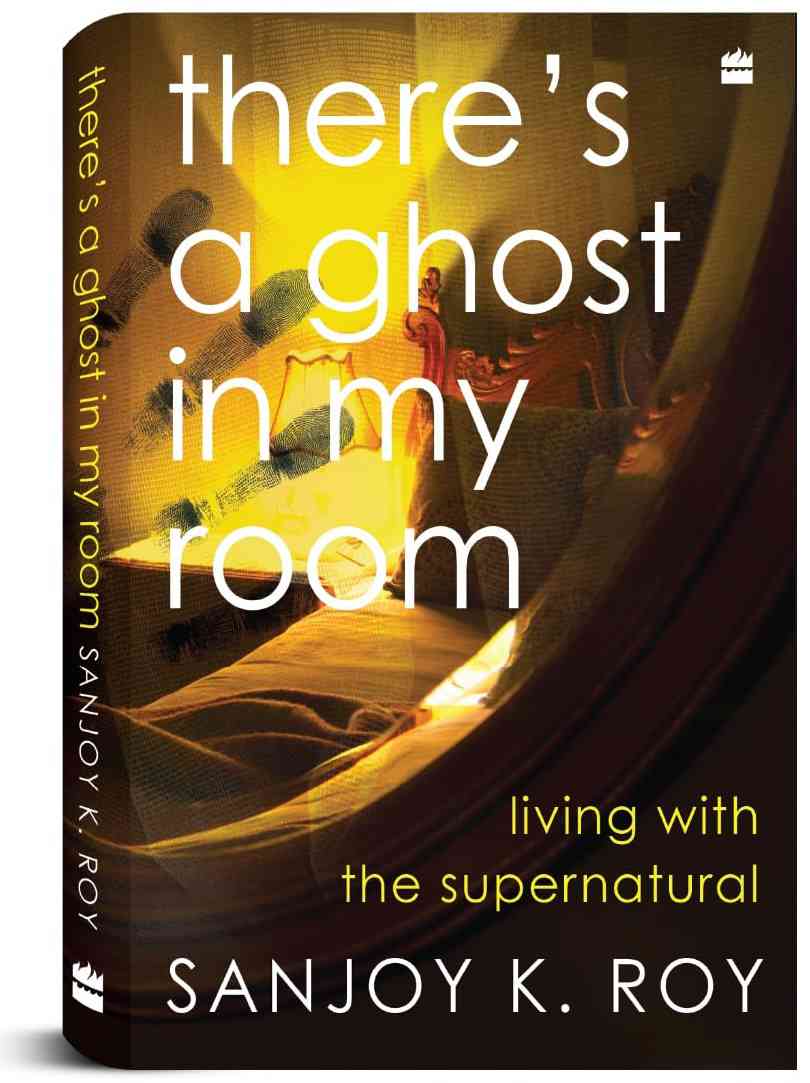
Part memoir, part travelogue, Sanjoy K Roy’s debut book, There’s a Ghost in My Room: Living with the Supernatural, often reads like a thriller.
From a childhood spent in a haunted house in Calcutta to encounters with restless souls in Lutyens’ Delhi, Jerusalem and Edinburgh, Roy takes readers on a journey into a fourth dimension. The reader accompanies him as he placates mischievous phantoms and confronts malevolent forces.
Part memoir, part supernatural travelogue, There’s a Ghost in My Room captures Roy’s extraordinary experiences alongside his adventures as a student at St Stephen’s College, as a TV professional, and as the creative mind behind some of India’s most celebrated cultural events.
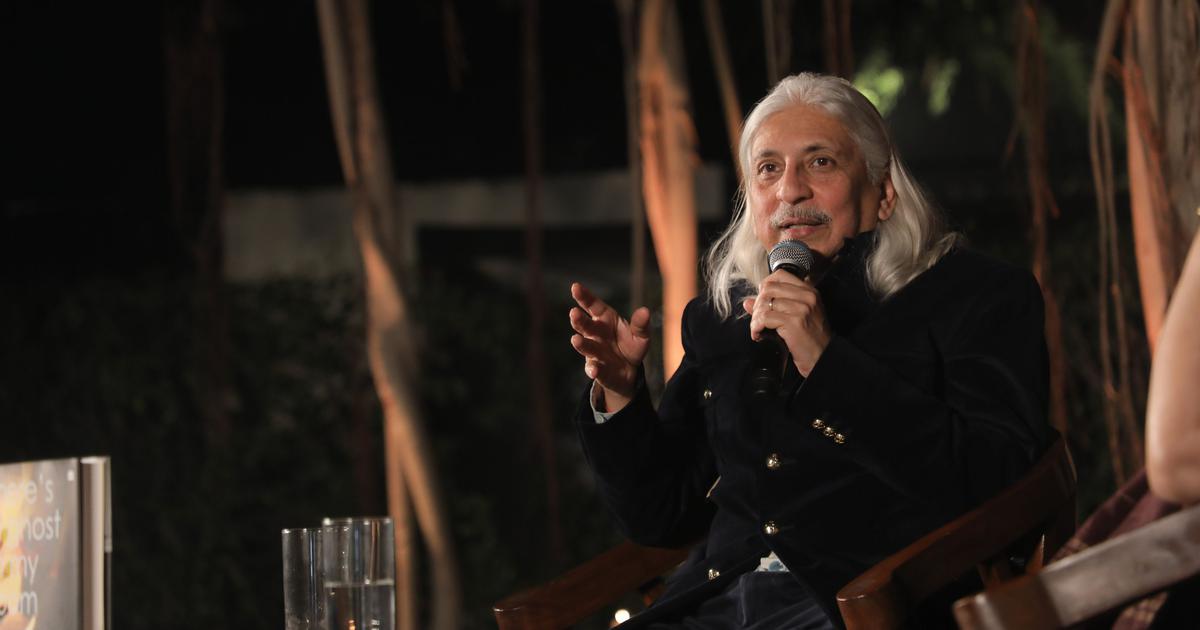
In this conversation with Scroll, Roy talks, among other things, about eerie dreams, extra sensory perception and his next book.
How long did it take you to write There’s a Ghost in My Room?
I completed the book over a two-year period, writing mostly on flights as that’s the only me time I get.
In the book, you write that you loved to dream as a child – “of gods and goddesses, demons and ogres, the distant trumpeting of elephants and the roar of the tiger and the clash of metal loud enough to freeze the blood in your veins.” Tell our readers more about these eerie dreams.
I love to sleep (being an insomniac and a very light sleeper – this is more wish than reality). And I dream in 70 mm, mostly spurred on by books I have read or movies I have seen or conversations I have had. My dreams as such have never been eerie. Sure, I have experienced the usual falling off the cliff, or sleep paralysis instances but, that apart, they have been more cinematic in content, with a wide breadth of experiences.
I could relate to the book somewhat, as I too have seen ghosts as a child. As has my elder sister. When we told our parents about them, they didn’t believe us. As we grew older, we stopped seeing them – maybe because we stopped believing too. Do you feel children have a kind of extra-sensory perception, making them capable of witnessing such supernatural phenomena?
I do believe children perceive the world with fewer filters. They have not yet learned to dismiss experiences simply because they don’t fit rational frameworks. Their openness allows them to accept ambiguity and mystery without anxiety. As adults, we privilege logic, which is necessary, but in doing so, we sometimes shut out intuition. Perhaps it isn’t that children see more, but that they question less.
Is it due to such incidents that you believe in practices such as the occult and past life regression?
I steer clear of the occult and have never engaged with past life regression. Much of this has been through the experiences of my wife, Puneeta, and her spiritual journey. I am, and remain mostly a sceptic despite the occurrences around me.
I liked where you talked about guardian angels, instincts and soul clusters. Do you feel these apparitions are just signs, important messages or simply real-life angels who are meant to meet and protect us?
There certainly have been angels that have protected me and my family and friends – be it in Bali, New York, Goa, etc. Many of these real-life incidents are unexplainable and go beyond mere coincidences. It’s difficult to wave them off as being regular events.
Not many people probably know that you directed Telefun, the first game show for Doordarshan, which you describe in the book as a “madly eccentric game show” that needed “outlandish props”. Tell us more about it.
Telefun was wonderfully anarchic – a product of experimentation and innocence and inspired by a popular European game show called Telematch. There were no reference points, no rulebooks. We were inventing television grammar as we went along. The props were eccentric, the games absurd and the spirit irreverent. It drew deeply from theatre – from physicality, surprise and audience engagement. We shot in so many different cities and schools, creating outlandish sets designed by Riaz bhai based on the ideas that we gave him, building in water sports and more.
The book also throws light on Delhi’s vibrant theatre scene back in the day. Give our readers a peek into that era.
Delhi’s theatre scene was electric, driven by passion rather than infrastructure. We rehearsed in borrowed spaces, performed for small but intensely engaged audiences and debated ideas endlessly. Theatre was political, personal and communal all at once. It was a time when art felt urgent, when making theatre was a way of responding to the world around us. That energy profoundly shaped my understanding of culture as a living, breathing force. Days were spent in performing street theatre plays like Om Swaha, protesting dowry deaths and evenings with TAG and Barry John, rehearsing or workshopping our next production.
What book are you working on next?
I am working on a compilation of people’s true-life stories of their encounters with the supernatural. People have been mailing and sharing their personal anecdotes, which we believe deserve a full-fledged anthology. Folks have called me brave to share my experiences, and have been motivated to share their own.
Also read:
‘There’s a Ghost in My Room’: Sanjoy K Roy writes about hauntings with humour, curiosity, lightness