





The story of Lakshadweep’s cuisine reflects the islands’ history of connection and influence. The first inhabited islands – Andrott, Kavaratti, Kalpeni, Amini and Agatti – were primarily settled by people from Kerala. As part of Kerala’s cultural and trade orbit, Lakshadweep shares many flavours with Malabar cuisine, especially the use of coconut oil and curry leaves in everyday cooking.
In the seventh century, an Arab saint named Ubaidulla arrived in Amini and spread Islam, which continues to shape the islands’ traditions, culture and food habits to this day. Arab traders who visited the islands for coconut, tortoiseshells and coir also left their mark, introducing richly spiced meat dishes and dried fruit. Due to its proximity to the Maldives, Minicoy Island shows traces of Maldivian food practices.
Today, Lakshadweep’s cuisine is a blend of all these influences. Islanders enjoy Kerala staples such as idli, dosa, aviyal, biryani and Malabar parotta, while carrying forward flavours shaped by trade, travel and faith.
An interesting ingredient from this cluster of islands is coconut jaggery. It is made from coconut-tree sap that is slowly boiled for hours until it turns into a jelly-like sweet. Coral stones are added to remove sourness and enhance their natural sweetness. It is rare and costly; about thirty litres of sap yield only twoand-a-half kilograms of jaggery, making it a prized ingredient for local sweets such as the Lakshadweep halwa. Demand for coconut jaggery is so high that people often need to pre-book.
Fishy fry
This is Lakshadweep’s take on the classic fish fry. Fresh fish, prawns or octopus are marinated with chilli, turmeric and black pepper, then shallow-fried in coconut oil until crisp.
Tuna thoran
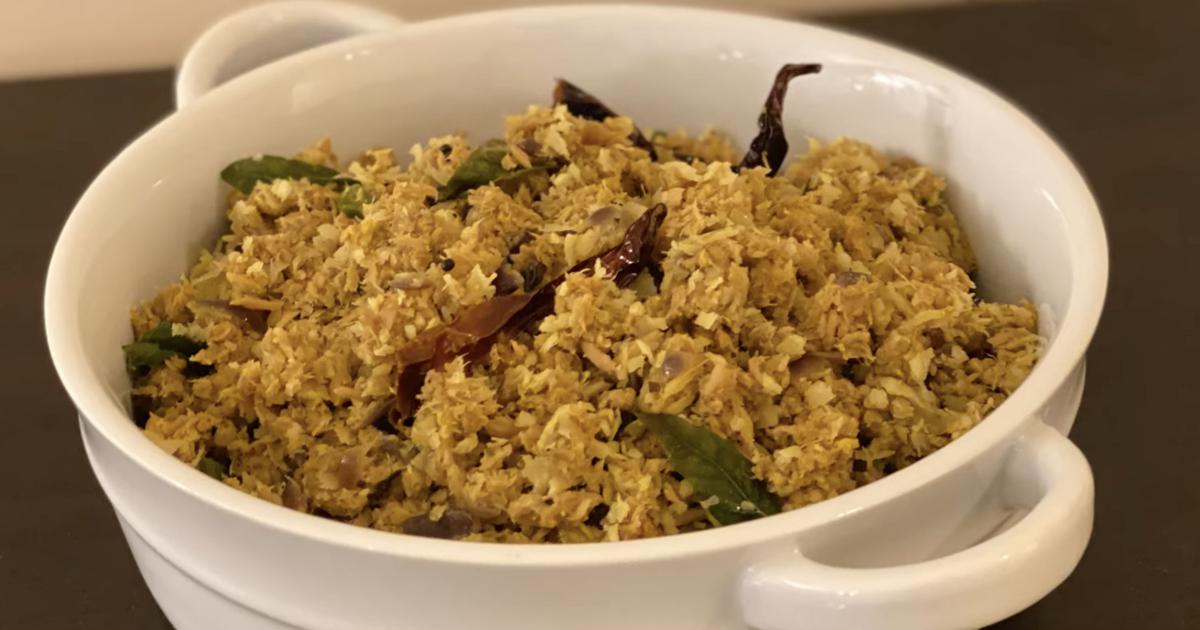
Lakshadweep’s waters are rich in tuna. The annual Tuna Festival showcases the islands’ finest preparations of this prized fish. A thoran is a dry stir-fry with coconut, while in tuna thoran, shredded tuna is cooked with grated coconut, turmeric, curry leaves and green chillies.
Mus kavaab
The name mus kavaab translates to ‘fish curry,’ with mus meaning ‘fish’ and kavaab meaning ‘curry’. To prepare it, coconut, turmeric, chilli powder, coriander powder, cloves and cardamom are ground to a fine paste. Onions, curry leaves and tomatoes are then sautéed in coconut oil, and the aromatic paste is added. Finally, the fish pieces are simmered gently in the mixture until perfectly done.
Dweep halwa
Primarily made with coconut and jaggery, the flavours of dweep halwa are enhanced with a sprinkle of rice flour and fragrant cardamom. Once cooked, the halwa is shaped into small balls, wrapped in dried banana or coconut palm leaves, and secured with a thread.
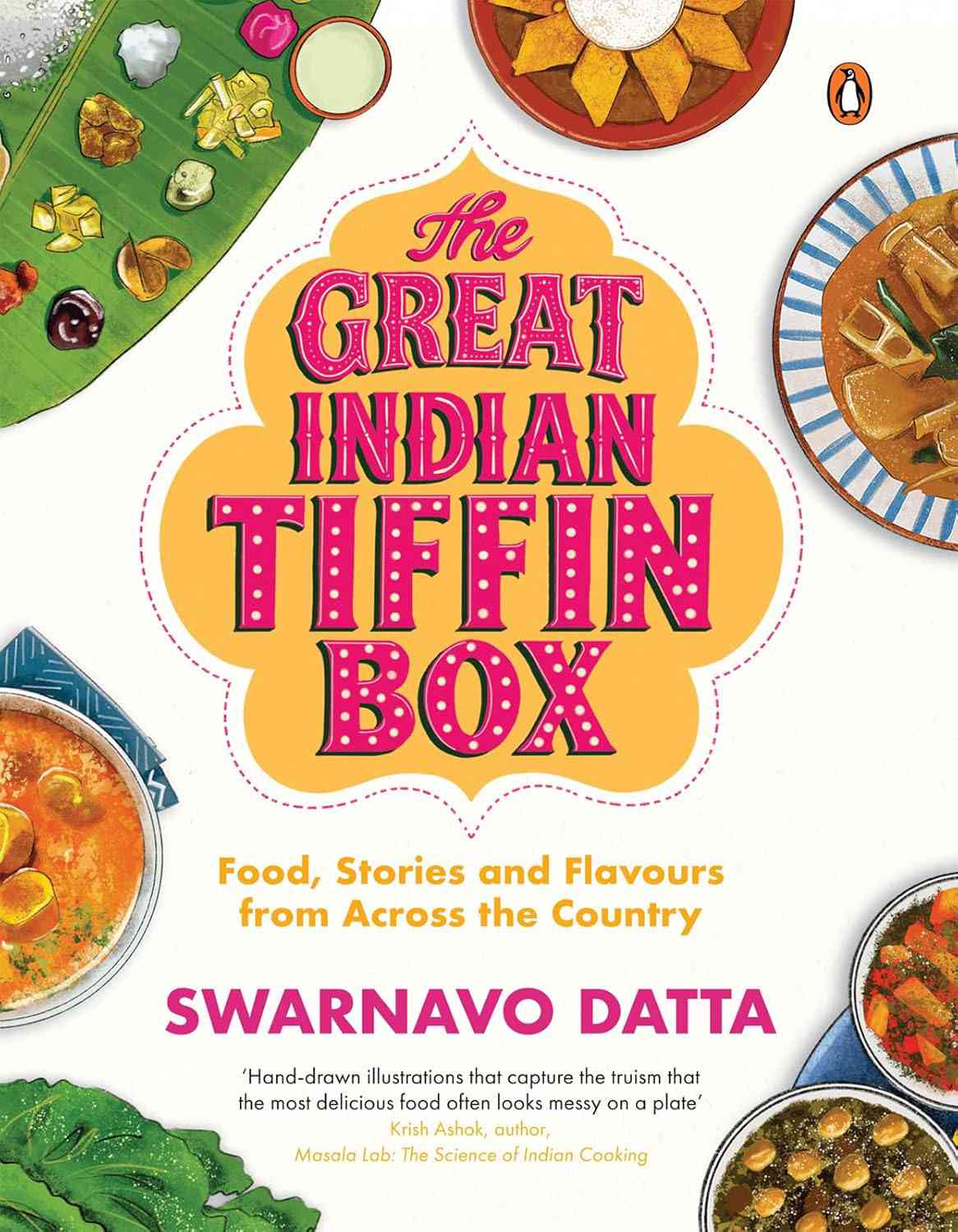
Excerpted with permission from The Great Indian Tiffin Box: Food, Stories and Flavours from Across the Country, Swarnavo Datta, Penguin India.
