










For those who grew up in the house, childhood was a blissful experience. The joy of living in a joint family came from the sense of security it provided – a feeling of never being alone, with loved ones always nearby, ready with a treat, a hug or a scolding, depending on the situation. The house was like a box of sweets, brimming with affectionate relatives: a myriad of paternal uncles and aunts (kakas, jethas and pishimas) and the equally cherished maternal uncles and aunts (mamas and mashis). They had endearing nicknames like Chocolate Pishi, Achaar Didu (the granny who crafted tangy chutneys), Ghuri Jethu (the uncle who could magically fish out a kite when needed), Kola Jethu (whose favourite fruit was the banana, though that liking was not necessarily shared by the children), and Hyaath Jethu (perhaps today’s equivalent would be the uncle who takes the children out for a treat to the nearest Hyatt).
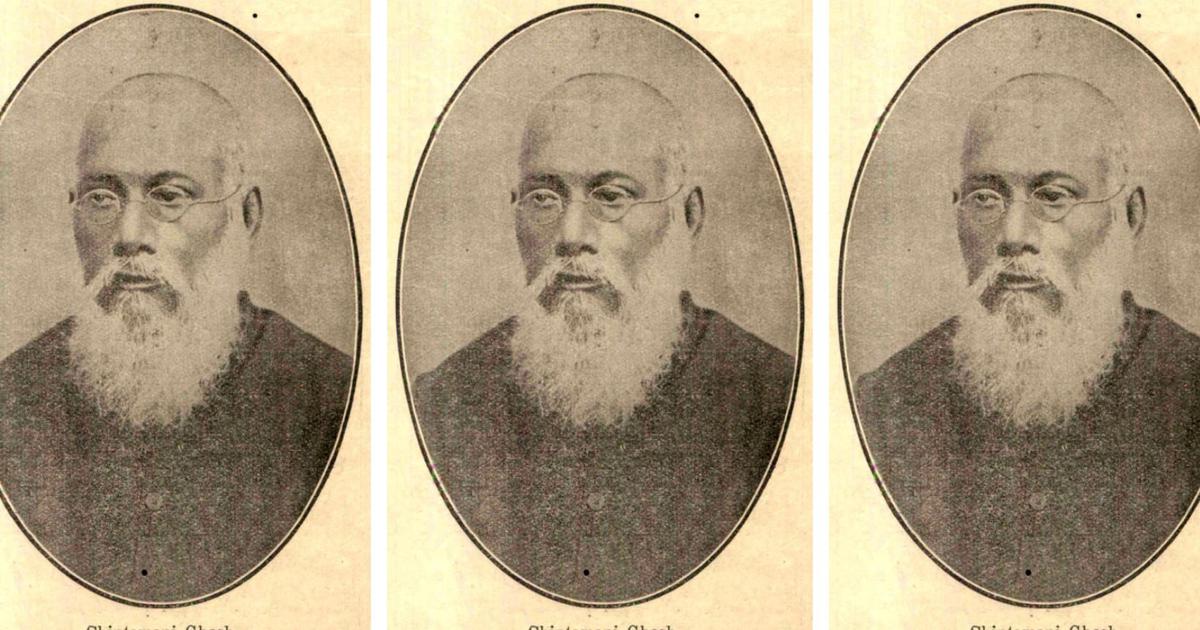
Chintamoni Ghosh had the quirky habit of nicknaming his sons after vegetables. So the boys were called Potol, Mulo and Bhushi instead of their formal names, and only later was a “Babu” attached to each name to make business relationships sound more polite.
Though renowned as “Kings of Allahabad”, the Ghosh family was, in truth, a business dynasty reaping the rewards of a successful start-up that had diversified into various ventures. The profits from their Press funded other enterprises – a sweet factory, a carpet factory and even a perfumery. This expansion also gave rise to Ghosh Market in Civil Lines, a bustling marketplace named after the family, and part of their Trust property.
The Indian Press family extended their business empire by establishing a sugar mill in Sitalpur, Bihar. The profits from the sugar mill led to the creation of a sweet factory, with foreign collaboration and managed by one of Chintamoni Ghosh’s younger sons. The children of the household were thrilled when the factory began producing sweets that looked like luscious orange slices, bullseyes and square biscuits topped with sugar.
On days when the car was unavailable for the school run, the children rode in the phaeton gari (horse-drawn carriage). They would eagerly call out to the garhwan or coachman to stop at the factory gate, which was conveniently behind the Press. They would dash inside, grab handfuls of sweets from the conveyor belt, and dash back to the phaeton. Unlike the strict Motor Babu who drove the car and followed orders to the letter, the garhwan turned a blind eye to these delightful detours.
The sweets were always gone before the children reached home, so none of the mothers or grandmothers suspected that the factory was being regularly raided – until one of the girls broke her tooth on a particularly hard toffee. After an intense interrogation, the truth finally came tumbling out.
Perfumes were another part of the Ghosh family business, though that was ultimately as fleeting as the fragrances that they manufactured. Housed in the Indian Press building was a perfumery that produced the much-loved Phool Taaza perfumed hair oil. Known for its delicate and lingering fragrance, the oil was a staple during special bathing sessions, particularly on occasions like bride viewings, where first impressions were everything. The perfumery’s reputation for crafting this fragrant oil ensured it was passed down as the go-to, home-grown choice for auspicious moments as opposed to French imports.
The children revelled in the bounty. From their perspective, their joy stemmed mainly from food, but there were other things as well – the vagaries of adults who nurtured milk-fed roses and cacti massaged with mustard oil, or cameras thrown out of windows in a tantrum, strings of seed pearls ripped into waste-paper baskets as arguments between husbands and wives escalated.
Those were carefree days when everything was taken for granted – at least by the children – and drubbings and scoldings were only minor issues to worry about.
This was a world of Bengalicised Hindi. Words like ghumbo peppered conversations and confused listeners. The families had their faithful house help who did their best to cope with the jabberwocky. On one occasion, an uncle visiting from Calcutta needed glue, which in those days came in small bottles with pink rubber tips that had to be pressed down for the glue to flow.
He summoned the nearest help, who happened to be Motilal, and said, “Mujhe gondgodaaia mangta,” in an excruciating mix of Hindi and Bengali. He kept repeating this to the unfortunate Motilal, who looked increasingly puzzled until he was rescued by another family member who was Allahabad-born, and so spoke the “rashtriya bhasha” better. Not that it was the Hindi that we know and speak now, but a happy fusion of Hindustani, Hindi and Urdu. Hindi as we know it came from the Hindi writers whose works Chintamoni Ghosh had started to publish, and which then found a wider reading audience.
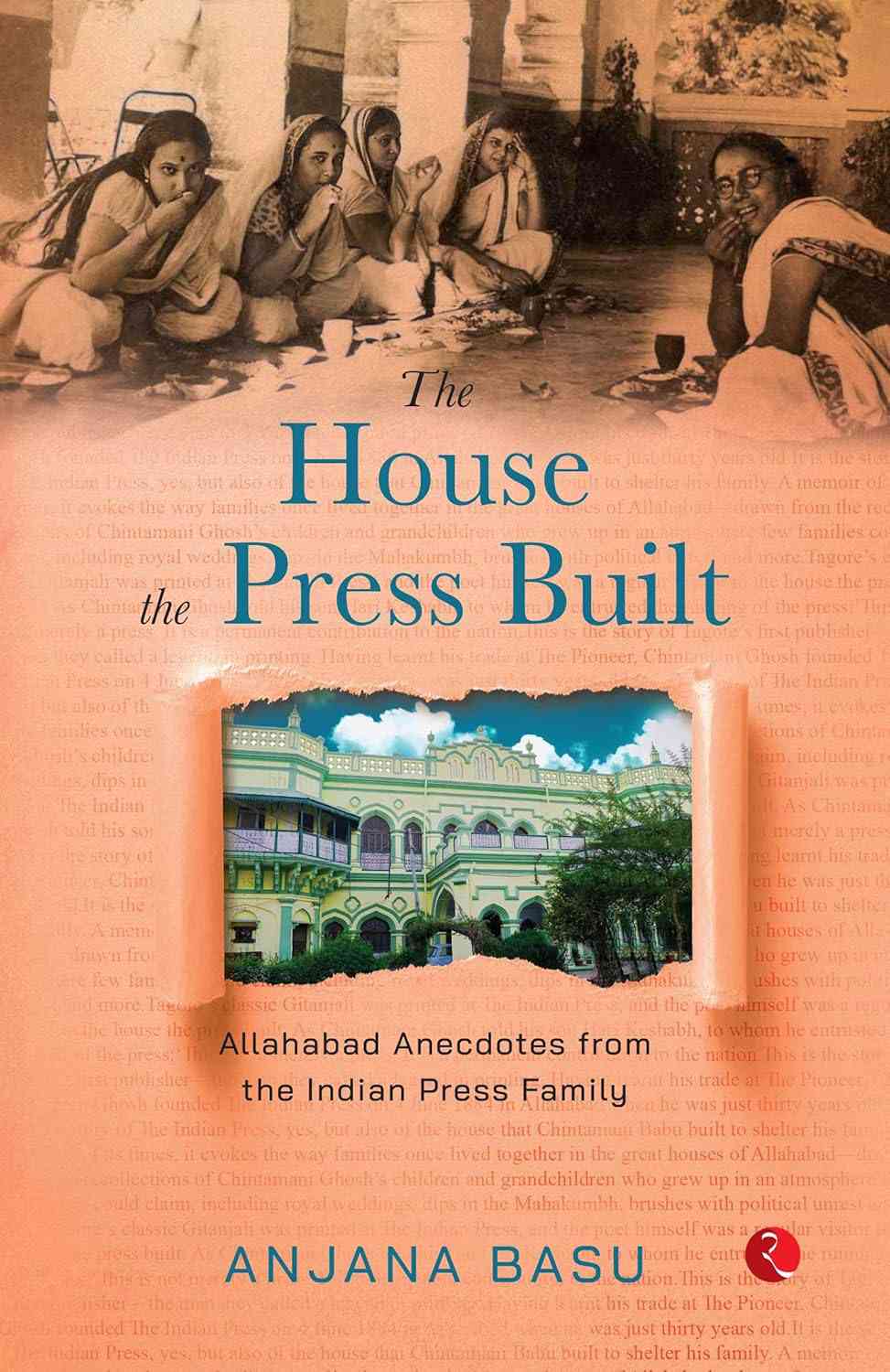
Excerpted with permission from The House the Press Built: Allahabad Anecdotes from the Indian Press Family, Anjana Basu, Rupa Publications.
