








Lucknow: India vs South Africa cricket match abandoned due to ‘fog’, Opposition says it was smog
The Air Quality Index in the city at 7 pm, when the match would have been underway, was 410 in the ‘severe’ category.
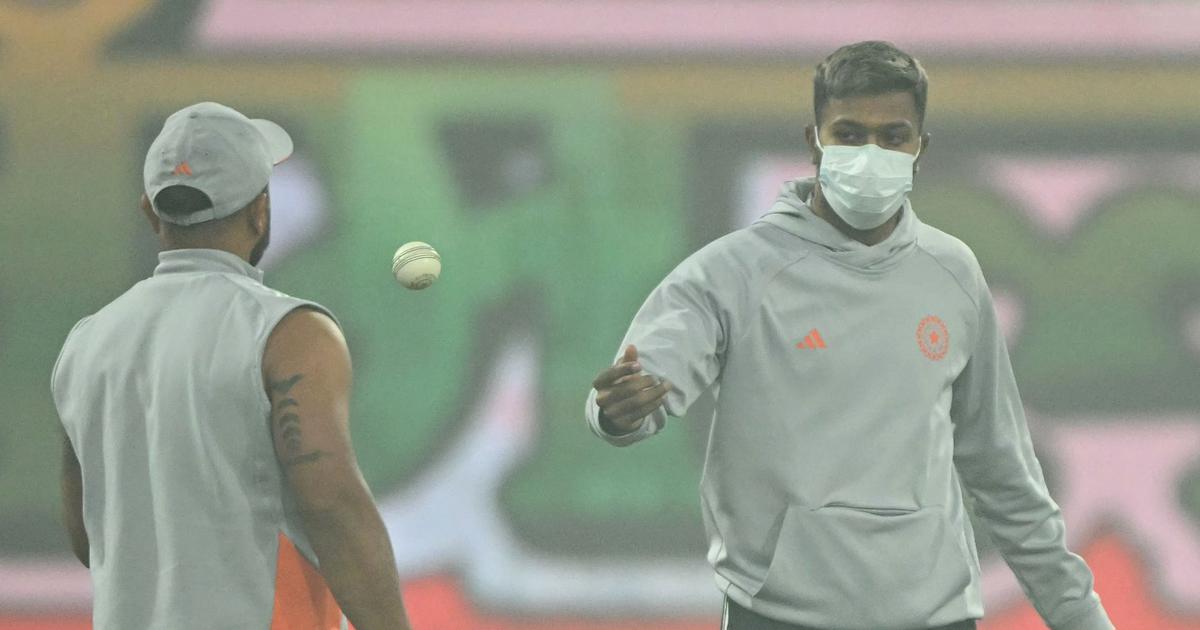
A cricket match between India and South Africa on Wednesday was called off because of dense fog in Lucknow.
The fourth Twenty20 International match at the Ekana Stadium was abandoned without a ball being bowled.
The toss was scheduled for 6.30 pm but never took place despite several pitch inspections by match officials. At 9.30 pm, the umpires called off the match.
It was the penultimate match of the five-match series that India leads 2-1. The final match will take place in Ahmedabad on Friday.
The Board for Control of Cricket in India said that the match had been abandoned “due to excessive fog” that made playing conditions unsafe.
‘Smog, not fog’, say Opposition leaders
However, fans and politicians said on social media that the poor visibility was because of air pollution.
Uttar Pradesh’s former Chief Minister Akhilesh Yadav said that Delhi’s pollution "has now reached Lucknow”.
“That is why the international cricket match scheduled to be held in Lucknow is not taking place,” he said. “Actually, the reason for this is not fog, but smog.”
Yadav added: “The parks that we had built for Lucknow’s pure air, the BJP [Bharatiya Janata Party] government wants to ruin them too by organising investment events there. BJP members are neither kin to humans nor to the environment.”
“Cover your face because you are in Lucknow,” the Opposition leader said.
Congress leader Shashi Tharoor said that “thanks to dense smog pervasive in most north Indian cities”, the visibility was too poor to permit a game of cricket. “They should have scheduled the game in Thiruvananthapuram, where AQI [Air Quality Index] is about 68 right now!” he said on social media.
Tharoor is the MP from Kerala’s Thiruvananthapuram.
Indian player Hardik Pandya was seen wearing a face mask at the stadium. Players went through their pre-match practice at the venue before moving indoors, AFP reported.
The Air Quality Index in Lucknow at 7 pm, when the match would have been underway, was 410, according to AQI.in.
According to data from the Sameer application, which provides updates published by the Central Pollution Control Board, the average AQI in Lucknow on Wednesday stood at 171.
An index value between 401 and 450 indicates “severe” air pollution. An AQI in the “severe” category signifies hazardous pollution levels that can pose serious risks even to healthy individuals. The AQI value between 101 and 200 indicates “moderate” air quality.
When asked about the high air pollution, BCCI Vice President Rajeev Shukla told The New Indian Express the board will address the problem before finalising the itinerary in future. But “fog is a major issue” in northern India during winters, he was quoted as having added.
This is not the first time that poor air quality has hampered a cricket match in India.
In December 2017, a Test match between India and Sri Lanka in December was interrupted because of poor air quality in the national capital. Sri Lankan players had complained of vomiting.
ESPN Cricinfo had quoted Nic Pothas, the Sri Lankan coach at the time, as saying that high levels of pollution in Delhi “is well documented”.
“They had got extremely high at one point, we had players coming off the field and vomiting,” he said. “There were oxygen things in the dressing room. It is not normal for players to suffer in that way while playing the game. From our point of view, it has to be stated that it is a very very unique case.”
