








‘Troubling tendency’: India raises concern about Bangladesh’s response to attacks on minorities
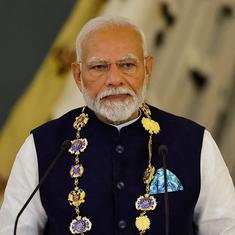
Dhaka’s disregard of such incidents ‘emboldens the perpetrators’, the Ministry of External Affairs said.
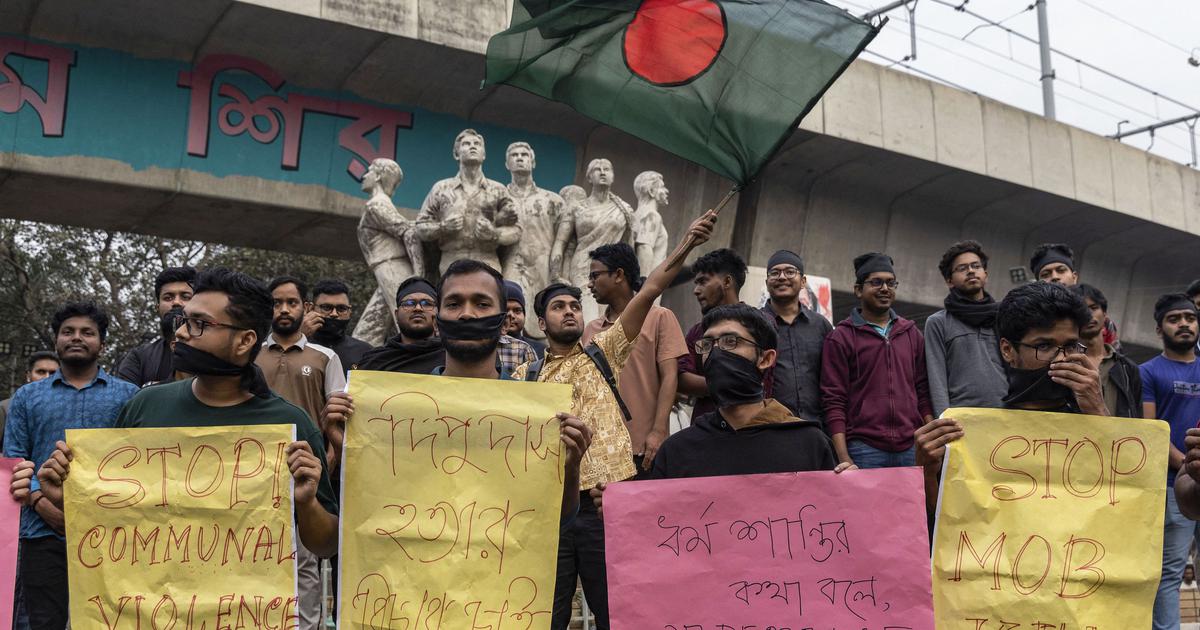
India on Friday accused Bangladesh of downplaying a “disturbing pattern of recurring attacks on minorities” and urged Dhaka to act “swiftly and firmly” against communal violence.
Ministry of External Affairs Spokesperson Randhir Jaiswal said, “We have observed a troubling tendency to attribute such incidents to personal rivalries, political differences or extraneous reasons.”
Bangladesh’s disregard of such incidents “only emboldens the perpetrators and deepens the sense of fear and insecurity among minorities”, he said at the weekly media briefing.
Several attacks on minorities in Bangladesh were reported in the aftermath of widespread unrest following the death of student leader Sharif Osman Bin Hadi. Hadi succumbed to gunshot injuries at a hospital in Singapore on December 18.
He was a prominent leader in the 2024 student protest that led to the ouster of the earlier government headed by Awami League leader Sheikh Hasina.
On Tuesday, the Bangladesh Hindu Buddhist Christian Unity Council said that it has recorded 51 incidents of communal violence in December, NDTV reported.
These included 10 killings, 10 cases of theft and robbery, 23 instances of occupation of homes and business establishments, and incidents of looting and arson targeting temples, the association was quoted as saying.
On December 26, India condemned the lynching of a Hindu man in Bangladesh, saying that the “unremitting hostility” against minorities in the country was concerning.
Dipu Chandra Das, a factory worker, was beaten to death by a mob in Bangladesh’s Mymensingh district on December 18, after which his body was allegedly tied to a tree and set on fire. Eighteen persons have been taken into custody for the lynching.
Jaiswal had said at the time that continuing hostilities against minorities in Bangladesh, including Hindus, Christians and Buddhists, at the hands of extremists was a matter of great concern.
Two days later, Dhaka had rejected New Delhi’s remarks and described them as “inaccurate, exaggerated or motivated”.
SM Mahbubul Alam, the spokesperson for the Bangladeshi foreign ministry, had said at the time that the statements “misrepresent the country’s longstanding tradition of communal harmony”.
