



Journalist Mark Tully, BBC’s ‘voice of India’, dies at 90
Tully reported on wars, the Emergency, riots and Operation Blue Star, and wrote several books about India.
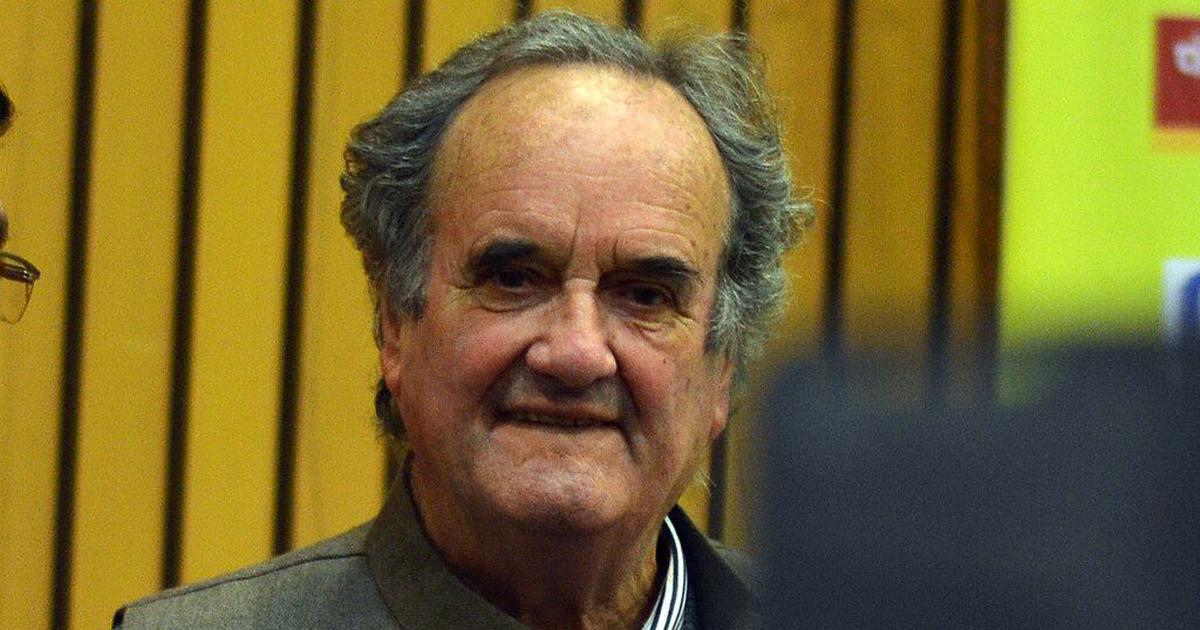
British journalist and broadcaster Mark Tully, known as the BBC’s “voice of India”, died on Sunday. He was 90.
He had been in hospital for a week, ANI reported.
Born in Kolkata, Tully moved to the United Kingdom before returning to India for work in 1965. He started as an administrative assistant at the British state broadcaster and went on to become the BBC’s bureau chief in New Delhi, a position he held for two decades.
Tully’s reportage included wars between India and Pakistan, the Emergency, riots, the Bhopal gas tragedy and Operation Blue Star.
In 1984, Indira Gandhi, the prime minister at the time, had ordered the military operation to extract Sikh militants who had allegedly stored weapons inside the Golden Temple premises.
Tully and his colleague Satish Jacob were the only journalists to report from inside the Golden Temple about the fortifications there, prior to the military operation.
In 1975, the BBC was expelled from India during the Emergency. Tully, who was the BBC’s Delhi correspondent at the time, was given 24 hours to leave the country after the organisation refused to sign a censorship agreement.
Tully believed that the BBC’s role during the Emergency proved crucial for its Indian audience.
“We were very widely listened to, but Mrs [Indira] Gandhi hated us and the government [did] too, since we were defying them,” Tully told Fair Observer in 2015. “They thought that by closing the office and throwing me out, they would close the BBC down, but they didn’t – the BBC continued. There were lots and lots of people who were very grateful to the BBC, and we had not damaged our credibility.”
He later wrote several books including about the events leading up to Operation Blue Star, one about the first four decades of independent India and No Full Stops in India, which was a collection of essays. The Heart of India, a work of fiction, was published in 1995.
Tully, who became an Overseas Citizen of India, continued to write books, essays, analysis and short stories about India.
He was knighted in 2002 and received the Padma Bhushan, India’s third-highest civilian honour, in 2005.
Several journalists, academics and politicians on Sunday expressed their condolences about Tully’s death.
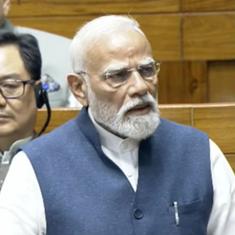
Prime Minister Narendra Modi said that Tully’s “connect with India and the people of our nation” reflected in his work. “His reporting and insights have left an enduring mark on public discourse,” Modi said on social media.
West Bengal Chief Minister Mamata Banerjee said: “We saw him as one of our own.”
Also read: From Emergency to Modi: How the BBC has played a major role in India
