








Jharkhand High Court orders FIR in case of children allegedly transfused with HIV-infected blood
A bench observed that lapses in blood screening and transfusion protocols could not be treated casually.
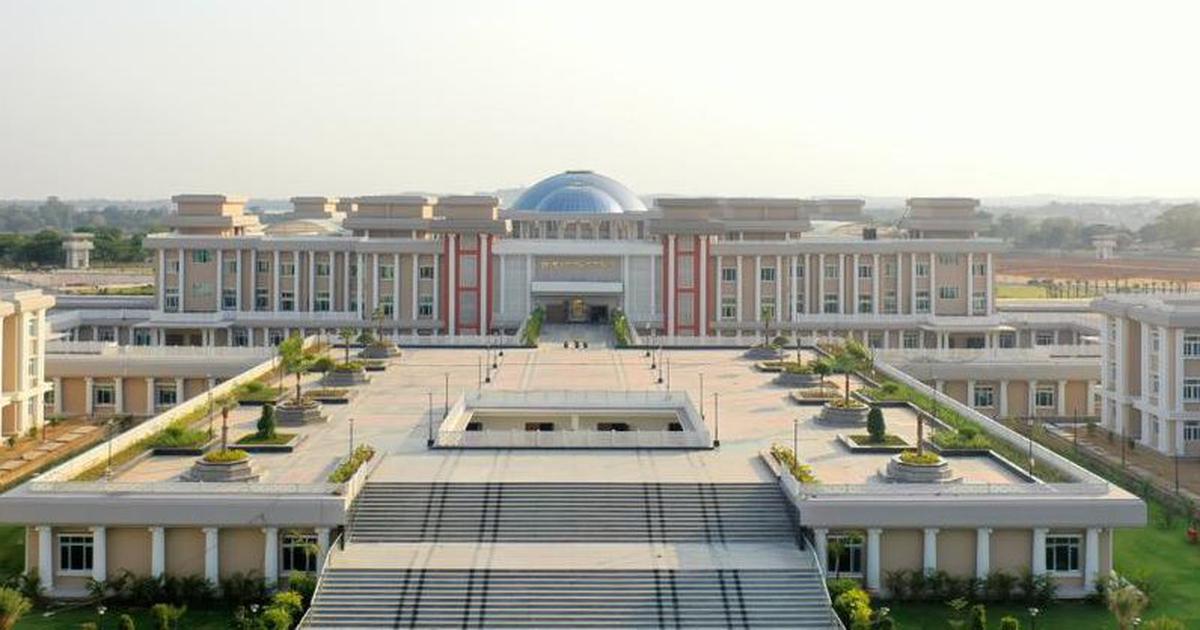
The Jharkhand High Court on Wednesday directed the state government to register a first information report in connection with five children suffering from thalassemia who were allegedly transfused with blood infected with the human immunodeficiency virus, The New Indian Express reported.
A bench of Justice Gautam Kumar Chaudhary passed the order while hearing a petition about the incident which was reported in October at Chaibasa in Jharkhand’s West Singhbhum district, The Indian Express reported.
The cases were detected in October during an investigation by a five-member medical team from Ranchi. The team was sent after the family of a seven-year-old thalassemia patient alleged that the Sadar Hospital blood bank in Chaibasa had supplied HIV-infected blood for a transfusion.
Following the complaint, the Jharkhand Health Department had constituted a medical team to ascertain how the infected blood had been administered. During the inquiry, four more children were found to have tested positive for HIV.
Taking suo moto cognisance of the case, the High Court ordered a probe and sought a detailed report from the state health department, The New Indian Express reported.
During the hearing on Wednesday, the court observed that lapses in blood screening and transfusion protocols could not be treated casually. It directed the state government to provide copies of the registered FIR to the complainants and to the court through a counter-affidavit.
The bench also ordered the authorities to identify those responsible through a fair and time-bound investigation.
After the incident was reported in October, Chief Minister Hemant Soren ordered the suspension of the civil surgeon of West Singhbhum and other officials concerned. He also announced financial assistance of Rs 2 lakh each to the families of the affected children and said that the state would bear the full cost of their medical treatment.
The petition before the High Court had noted that the complainants belong to marginalised Adivasi communities and that their families are facing “extreme social stigma, economic hardship and a complete disruption of their lives”, Live Law reported.
“The compensation of Rs 2 lakh announced by the state is grossly inadequate for lifelong treatment and rehabilitation,” the legal news outlet quoted the petition as having said.
Blood transfusion guidelines
Blood banks are supposed to follow guidelines issued by the National AIDS Control Organisation, which state that each unit of blood donated from a person must undergo a screening test to detect HIV and hepatitis. Elisa is the most commonly used test for this purpose.
However, if donors have been freshly infected with either HIV or hepatitis, their bodies may not have generated enough antibodies against the virus for them to be detected in screening tests.
The Elisa test can only detect antibodies against these viruses 45 days after the patient is infected. A more sensitive method – the nucleic acid amplification test – reduces the window period to 10-15 days. However, this too cannot totally eliminate the chances of missing out on identifying an infection.
Experts say most cases of blood transfusion-related infections are caused when such tests miss detecting infections, or tests are not carried altogether.
