





William Shakespeare’s plays have been widely adapted across the world. Plot points, entire storylines, characters, lines, themes – deep is the Shakespeare well and numerous are those who drink from it. Few filmmakers have approached Shakespeare as thoughtfully as the Japanese master Akira Kurosawa.
Kurosawa’s three Shakespeare adaptations – Throne of Blood (based on Macbeth), The Bad Sleep Well (based on Hamlet) and Ran (based on King Lear) – interpret the source text rather than merely lifting scenes or dialogue, creating visually sumptuous commentaries on Japanese society.
In Ran (1985), which can be rented on Prime Video, King Lear yields both stunning spectacle and piercing study of ruthless ambition.
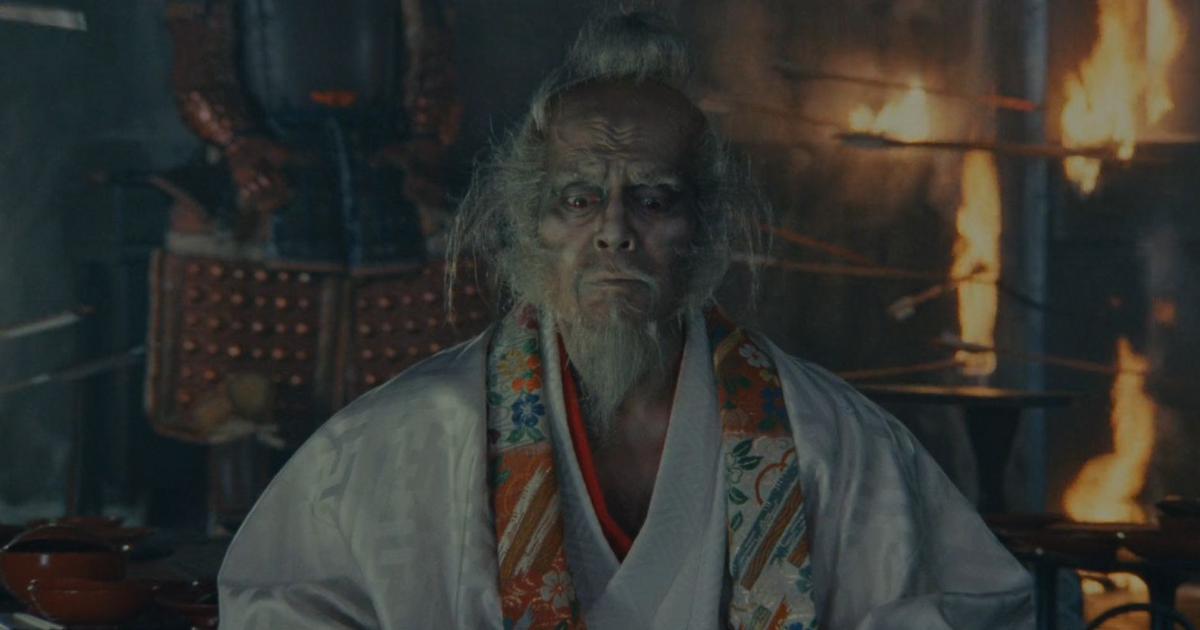
Ran is set in sixteenth-century Japan. Lear’s three daughters are now the three sons of the veteran warlord Ichimonji (Tatsuya Nakadai).
In a rare moment of generosity, Ichimonji abdicates his position and name his eldest son Taro (Akira Tera) as his heir. The second son Jiro (Jinpachi Nezu) instantly reacts adversely, while the youngest, Saburo (Daisuke Ryu), scolds Ichimonji for his rashness.
This is a highly codified and ritualistic world, in which the patriarch must always show strength and authority. Ichimonji’s first mistake is to acknowledge his fallibility. By admitting publicly to his advanced age and expressing remorse for his previous conquests, Ichimonji violates the feudal code. His vulnerability is seen as a sign of incipient madness.
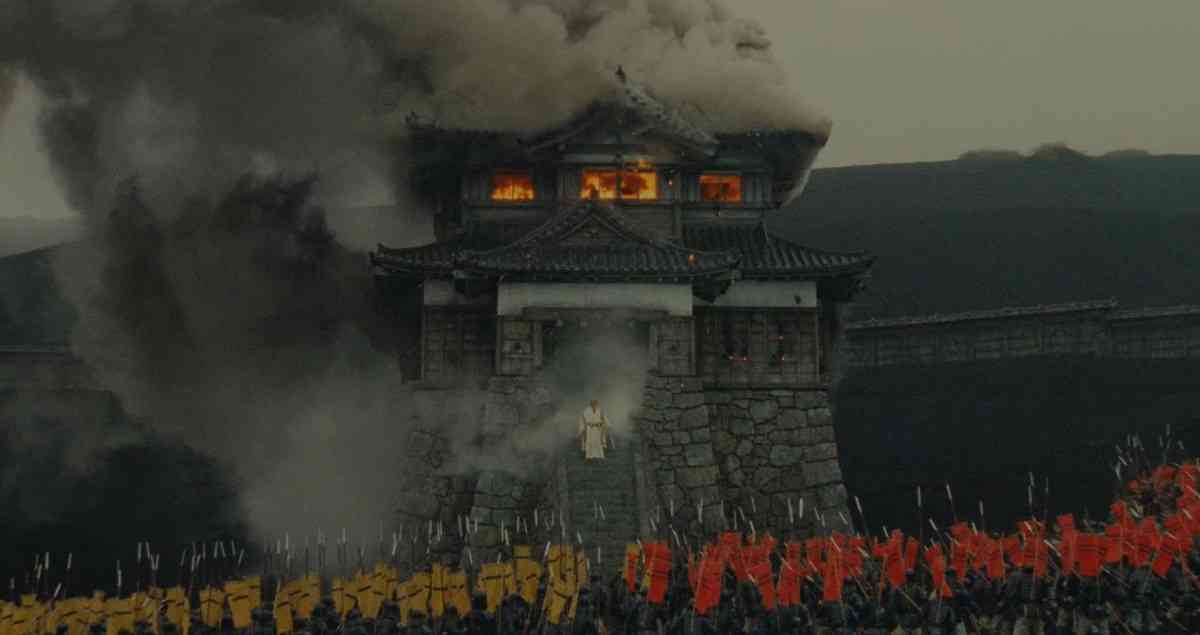
Worse is to follow – betrayals by Taro and Jiro, Saburo’s banishment, the actions of Taro’s villainous wife Kaede (Mieko Harada). Only the jester Kyoami (Peter) and the retainer Tango (Masayui Yui) stick by Ichimonji as ran, or chaos, engulfs his kingdom.
The words of Saburo, standing in for Cordelia, come true. Men who have been brought up in a culture of war can’t be expected to show fidelity and mercy, Saburo cautions. Kaede and Ichimonji’s other daughter-in-law are also karmic reminders to Ichimonji of the blood he shed during his conquests.
The 162-minute film has pure imagery that relies on cinematography, sets and locations rather than visual effects. Kurosawa seamlessly alternates between tense interior scenes and the tumult raging on the outside as brother fights brother.
Signs of the impending trouble are there in the very first scene, in which Ichimonji’s sons and commanders face in different directions while looking out for wild boar to hunt.
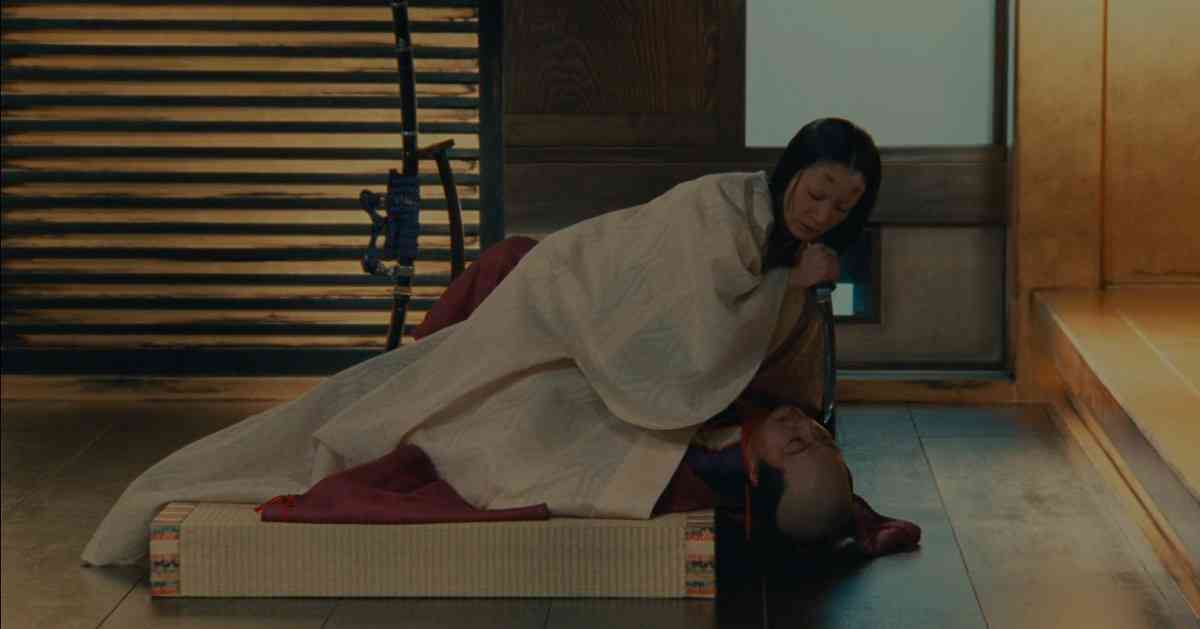
Ichimonji’s steady mental decline provokes others to expose their true selves, especially Kaede. In a magnificent sequence, Kaede reveals her ambitions while also mocking the men who dare to rule in Ichimonji’s stead.
The film’s centerpiece is a battle that is stunning to look at but is also sobering in its impact. The slaughter isn’t just a source of jaw-dropping spectacle here, but also a reminder of what humans will do to cling to power. The conflict is the last straw for Ichimonji.
There isn’t a trace of sentimentality as blood ties curdle and allies turn into foes. Ran recreates the deep tragedy at the heart of King Lear, powerfully portrayed in Tatsuya Nakadai’s brilliant performance as the wretched Ichimonji.
