











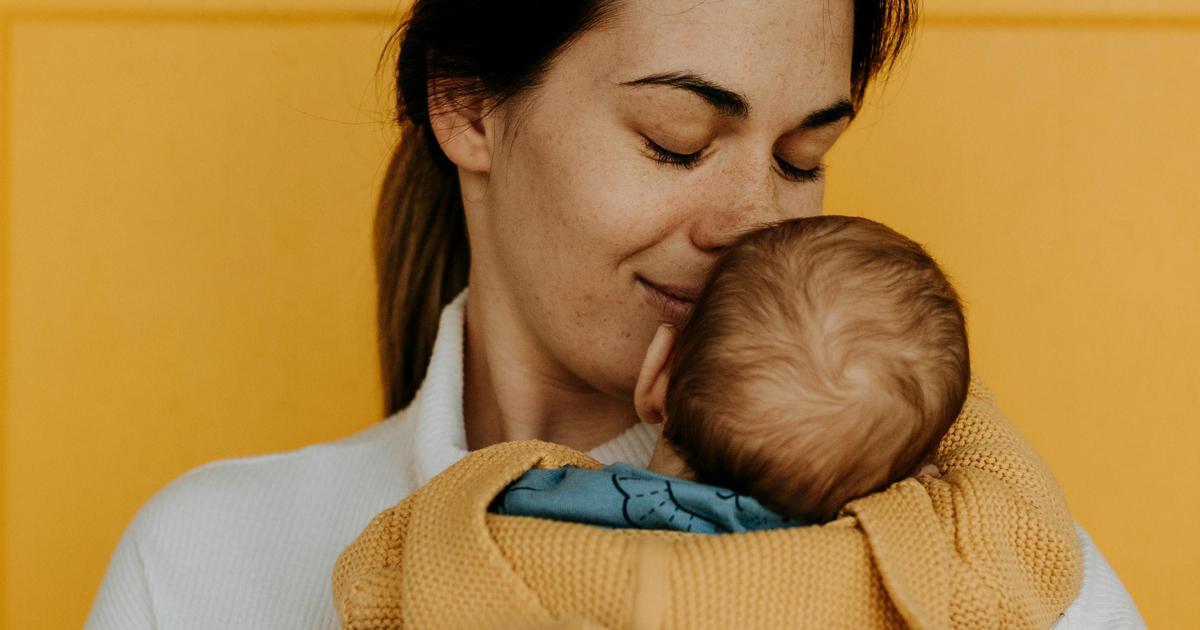
Manish and Naina had their baby in November and were repeatedly told that the first winter and the first summer are very difficult for a small baby and therefore need special care. An important aspect of the special care was covering up the baby as much as possible. So, when Naina visited me on her ten-day post-birth follow-up, complaining of the baby being very fussy and irritable most of the time, the first thing I noticed was the heavy blanket that the baby was wrapped in.
As she entered the OPD, the baby was wiggling and crying and appeared flushed. As soon as I saw this baby wrapped up in a mountain of wool and fleece, I realised it could be the heat that was bothering the newborn. When I checked her temperature, it turned out to be 100.1°F. We removed the woollen cap, socks and the top two layers of sweaters and blanket from the baby. Within 15 minutes, the temperature came down to 99.2°F, and the baby became comfortable and slept off in his mother’s arms. Naina commented, “Ma’am, ye toh aapko dekhte hi so gaya.” I smiled and told her he would sleep comfortably at home too, as long as she didn’t overclothe him.
So, the message for all new parents is clear – whether born in peak summer or peak winter, babies need not be covered in too much wool or fleece just because we think they are small.
Especially in a newborn, the thermoregulation mechanisms are poor and not yet developed, and they need optimum clothing to stay comfortable. But since the thermoregulation is poor, they get overheated very quickly too. So the trick is to find the right balance.
While it is very important to not let your baby lose heat and end up with hypothermia, or “cold stress”, it is equally important to not overheat your baby because it will end up with a fever. Sometimes, the baby will express its discomfort by becoming cranky and irritable, but sometimes, it may just end up with a fever and stop breastfeeding.
So, the right way to go about clothing your newborn is to first layer up your child in cotton clothes. A baby should wear as many layers as the mother, plus one extra.
When the mother starts wearing woollen, you can top up the baby’s layers with a woollen layer.
If the temperature is less than 20°C or you are stepping out in windy weather, you may consider another layer with a cap and a pair of socks.
For newborn, preterm and low-birthweight babies, it is very important to prevent cold stress. Since most of the heat is lost through the head, it is important to cover it in the initial few days after birth.
Cap and socks
For a newborn, you may consider a cotton cap and socks indoors in summer.
But do keep in mind the temperature inside. Usually, whether it is summer or peak winter, we tend to use air conditioners or heaters, respectively, to maintain the room temperature between 26°–28°C.
When the temperature is below 15°C or during windy weather, consider soft woollen caps and socks.
Always keep in mind, the baby’s comfort comes first. A baby will always express its discomfort one way or the other.
The best way to control a baby’s temperature, especially a newborn’s, is skin-to-skin contact.
You can check whether your baby is feeling cold or not by touching its hands or feet. A comfortable baby’s hands and feet will be warm and cosy in all seasons.
For babies that are three months old and above, other than in extreme winter, socks and caps during sleep or at night are not needed.
Consider the temperature of the room in which the baby is sleeping and not the month of the year to decide the number of layers and whether or not a cap and socks are needed while sleeping.
While the baby is sleeping, keep the crib/ sleep area free of extra blankets or pillows to prevent risk of SIDS.
Heaters
“Can we use the heater in a room with a baby?”
Yes, you can. Let’s consider the important factors while deciding which heater to buy and the precautions to take.
Oil heaters are preferred over blowers, rod heaters or fires in a room with a baby.
Three important things to keep in mind while buying a heater are accidental burns, carbon dioxide buildup and dryness of air.
Direct fires are never advised. The burning of wood will pile up harmful gases inside the room, such as carbon monoxide, which can lead to respiratory depression and is potentially life-threatening, not just for the baby, but for the whole family. It also poses the risk of burns.
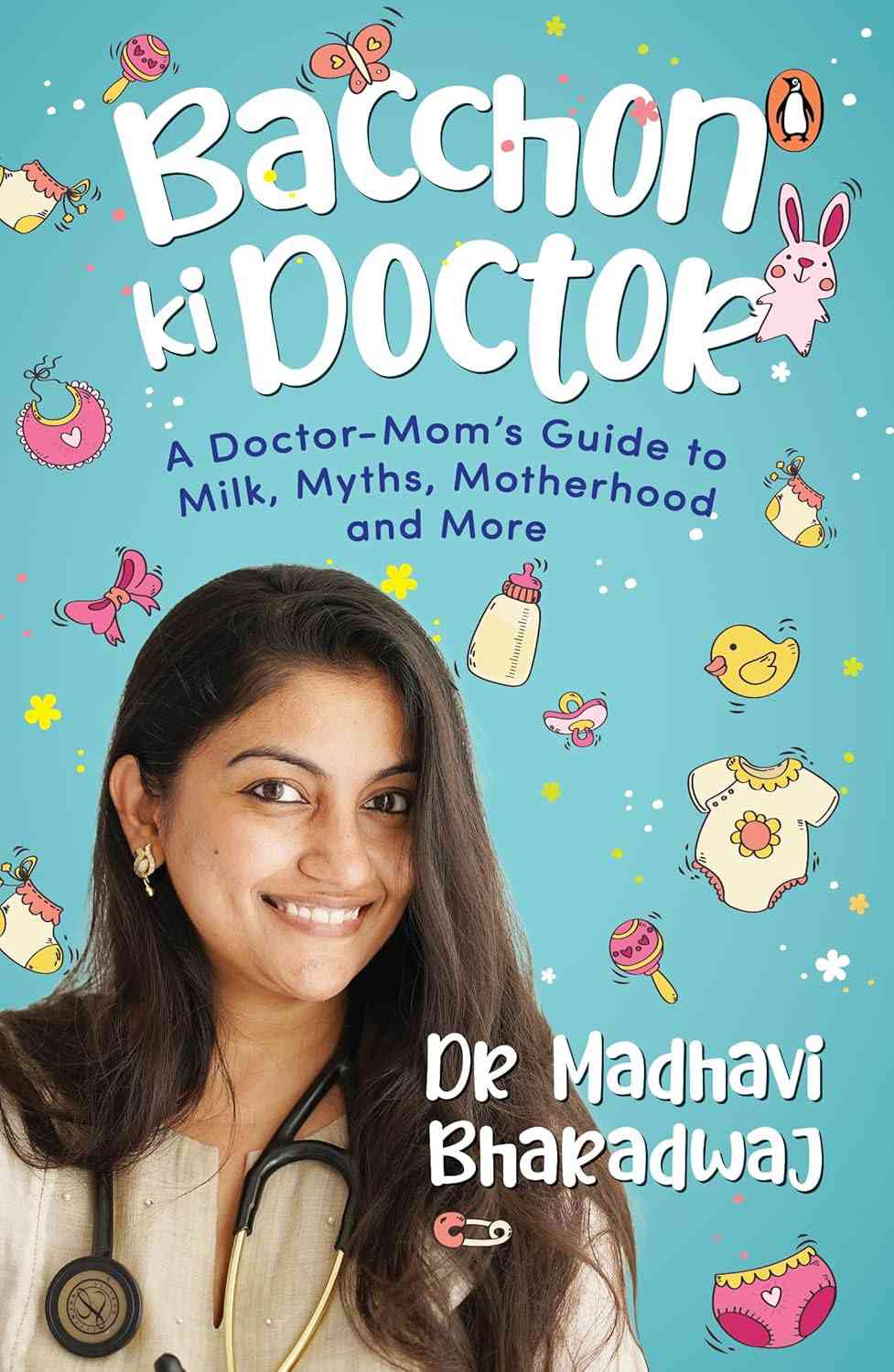
Excerpted with permission from Bacchon Ki Doctor: A Doctor-Mom’s Guide to Milk, Myths, Motherhood and More, Madhavi Bharadwaj, Penguin India.
