









Abdulrazak Gurnah
I began writing
out of homesickness
to document my thoughts,
experiences of being a refugee
in another land
memories of departure
the trauma of displacement
kept haunting me
I tried my bit
to alter English language and literature
calmly resisting the attempts of the editors
to “make the alien seem alien”
writing of the state’s broken promises
the lasting effects of colonialism
the lost homeland
– the paradise of Zanzibar
alienation, loneliness
of an immigrant.
Chinua Achebe
I, the Eagle of Iroko
grew up listening
snippets of conversations
of my evangelist father
with an African wizard
who travelled all the way
to China to find a lamp …
dressed in a traditional Igbo dress
I sit in my library full of books
whispering – “things fall apart”
my writing desk cluttered,
my composure poised and calm,
birds from all corners
perch on the giant Iroko tree
to sing the song of freedom
lifting the spirit of millions
I’m wounded in an accident
the great tree falls down
I move in a wheelchair
lost in my thoughts
as far as I remember
I loved stories of all sorts –
stories of the tortoise who lost
the battle, but left a mark
I ponder over this old African saying –
”until the lions have their own historians,
the history of the hunt
will always glorify the hunter”
and begin to write “the story
of the hunt …
the agony, the travail,
the bravery, even of the lions.”
Ngũgĩ wa Thiong’o
Weep not child
pick a grain of wheat
pluck
the petals of blood
put the devil
on the cross
let the sleeping lions
roar
decolonise
your mind.
Nadine Gordimer
“My answer is: Recognise yourself in others.” – Nadine Gordimer
Come again tomorrow
let’s meet face to face
with the ghosts
of apartheid
and bury them
these are not the times to hate
and be resentful, but the days
to love and celebrate
let’s pick up
the remaining threads
and start
again.
Wole Soyinka
“The greatest threat to freedom is the absence of criticism.” – Wole Soyinka
I must set forth at dawn
accompanied by my muse Ogun –
the god of creativity and destruction
after relishing fried bean cakes
satiating Opapala –
the deity of hunger
reverently bowing
to Ogboni –
Yoruba ruling elders
remembering the Egba elders
and their wisdom
musical sound of ancestral spirits
and departing quietly
bidding goodbye
riding a bicycle
through the raucous markets
laden with aroma
of roasted coconuts and fresh vegetables
the smell of bush
humid air,
fetid dung heaps
moulding the drama
of existence
with a hint of poetry
finding the fine balance
between conception
and annihilation
living
an examined life
for the absence
of criticism of the self
or the others
is the end of freedom.
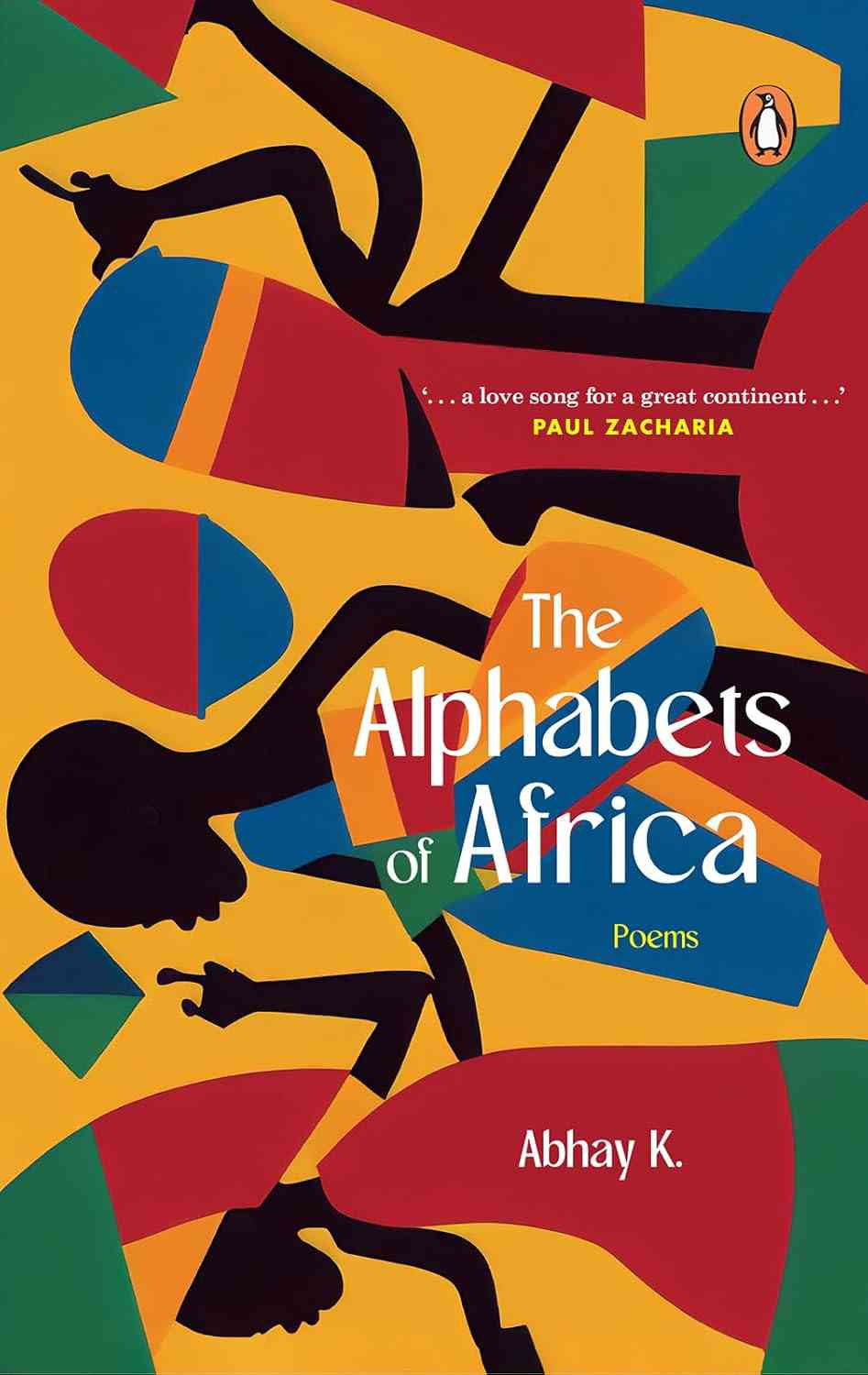
Excerpted with permission from The Alphabets of Africa, Abhay K, Penguin Random House India.
